
Music Industry Achieves Breakthrough in Recycling Unsold Vinyl Records
A joint initiative by Warner Music Group, GZ Media, and Abbey Road Studios has successfully developed a method to recycle unsold vinyl records into new releases, cutting carbon emissions by 10.6% without compromising audio quality.
By Factlen Editorial Team
- Major Labels & Manufacturers
- Prioritizing scalable solutions that reduce waste without disrupting the highly profitable vinyl market.
- Audiophiles & Engineers
- Demanding that any ecological improvements do not compromise the premium analog sound quality.
- Environmental Advocates
- Viewing the recycling breakthrough as a positive first step, but pushing for the total elimination of PVC.
What's not represented
- · Independent record store owners managing the physical returns process.
- · Bioplastics researchers developing entirely PVC-free alternatives.
Why this matters
The vinyl revival has created a massive environmental footprint due to its reliance on toxic, fossil-fuel-derived plastics. This manufacturing breakthrough proves that the industry can drastically reduce waste and emissions while maintaining the premium audio quality consumers expect.
Key points
- Warner Music Group and GZ Media successfully recycled 10,000 unsold vinyl records into new releases.
- The new manufacturing process uses a 25% blend of pre-consumer recycled PVC.
- Blind audio tests by Abbey Road Studios confirmed the recycled records sound identical to virgin vinyl.
- The process achieves a verified 10.6% reduction in carbon emissions.
- The breakthrough offers a scalable solution to the massive waste generated by unsold physical music stock.
The vinyl record revival has been a financial boon for the music industry, but it carries a heavy environmental toll. Polyvinyl chloride (PVC), the primary material used to press records, is a fossil-fuel derivative that is notoriously difficult to recycle. Now, a landmark collaboration between Warner Music Group (WMG), Czech-based manufacturing giant GZ Media, and London’s legendary Abbey Road Studios has cracked the code on circular manufacturing, proving that unsold records can be melted down and repressed without sacrificing commercial sound quality.[1][2][3]
The joint research project, titled "Giving Vinyl a Second Life," addresses one of the physical music market's most persistent supply chain failures. Fluctuating consumer demand, inaccurate sales forecasts, and retail returns routinely lead to the accumulation of massive quantities of unsold stock. Historically, reintroducing these obsolete, pre-consumer records into the manufacturing process resulted in unacceptable surface noise and audio degradation, forcing labels to either warehouse the dead stock indefinitely or send it to landfills.[1][6]
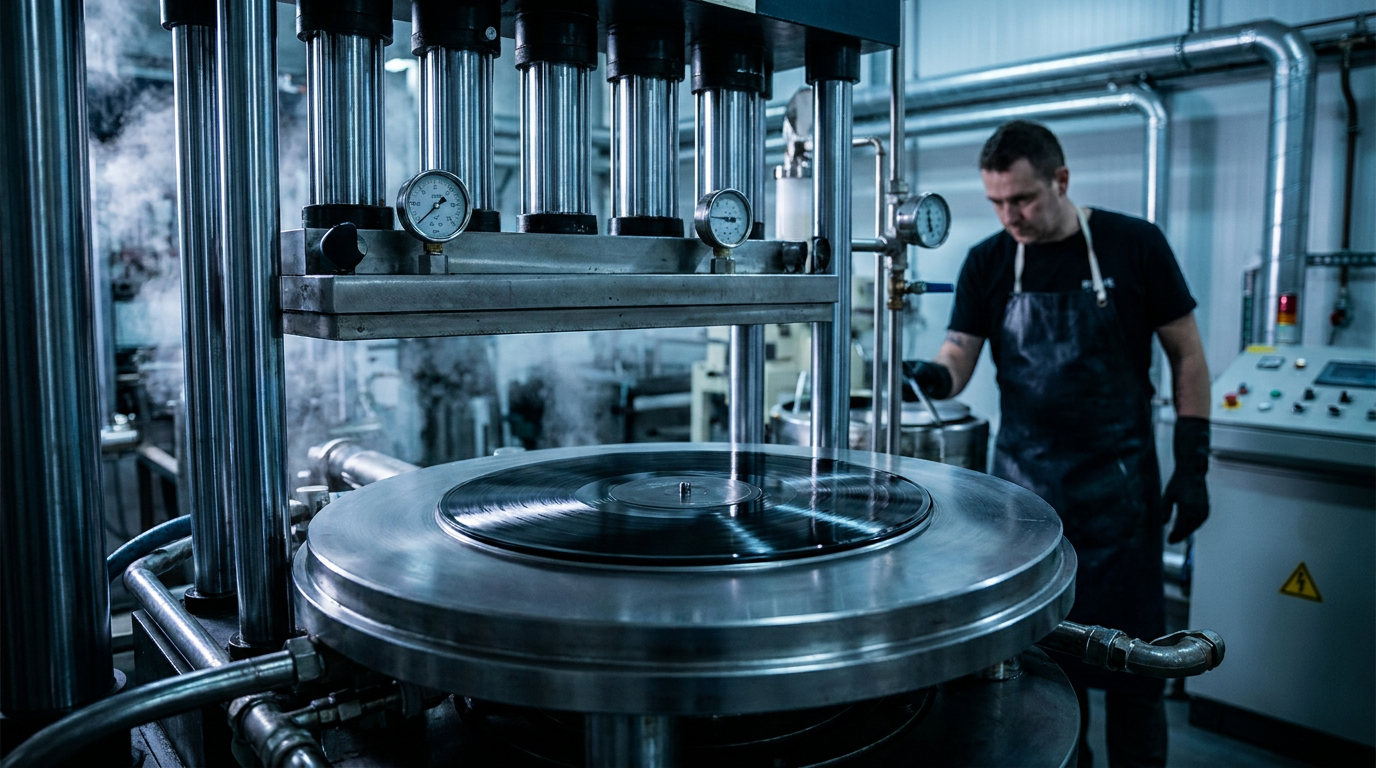
To solve this, engineers at GZ Media—currently recognized as the world's largest manufacturer of vinyl records—experimented with various material ratios to find a sweet spot between ecological benefit and acoustic fidelity. The pilot program utilized 10,000 unsold records that had been slated for destruction. By carefully grinding down the old discs and refining the extrusion process, the team successfully developed a "25% Blend"—a compound utilizing one-quarter recycled pre-consumer PVC mixed with virgin plastic.[1][2][4]

The true test of the initiative, however, rested on the ears of audiophiles. The music industry has long hesitated to alter the chemical composition of vinyl, fearing a backlash from a consumer base that pays premium prices specifically for high-fidelity analog sound. To validate the new blend, mastering engineers at Abbey Road Studios conducted strict, blind-test sound quality controls alongside independent acoustic experts.[1][4][7]
The acoustic results were definitive. The independent panels concluded that the 25% recycled blend was indistinguishable from records pressed using 100% virgin PVC. The surface noise, dynamic range, and physical durability of the recycled discs met the exacting commercial standards required for major-label releases, clearing the primary technical hurdle that had stalled previous recycling efforts.[2][3][4]
The independent panels concluded that the 25% recycled blend was indistinguishable from records pressed using 100% virgin PVC.
Beyond the sonic triumph, the environmental math presents a compelling case for industry-wide adoption. According to the official report published in late May 2026, the 25% blend achieves a verified 10.6% reduction in carbon emissions compared to traditional manufacturing methods. While that percentage may seem modest, applied across the tens of millions of records pressed annually by GZ Media alone, it represents a massive reduction in fossil-fuel reliance and industrial waste.[1][2][6]

Environmental advocates have cautiously praised the breakthrough, noting that it represents a vital first step in addressing the sector's ecological footprint. However, some sustainability watchdogs emphasize that recycling pre-consumer waste does not solve the underlying issue of PVC toxicity. They argue that while the WMG and GZ Media initiative brilliantly optimizes the existing supply chain, the ultimate goal must remain the development of entirely bio-based, plastic-free alternatives that can biodegrade naturally.[1][6]
The timing of the report coincides with a broader, industry-wide reckoning regarding climate impact. Over the past year, initiatives like the Bye Bye Plastic Foundation's "Eco-Rider" have mobilized thousands of touring artists to eliminate single-use plastics, while instrument manufacturers have hosted summits dedicated to responsible sourcing and carbon-neutral production. The physical music format, which had largely escaped scrutiny during the streaming era, is now front and center in these sustainability efforts.[5][8]

For Warner Music Group, the successful pilot is expected to trigger a rapid scaling phase. The label has signaled intentions to integrate the 25% blend into its standard manufacturing pipeline, effectively turning its own unsold inventory into the raw material for future releases. If other major labels follow suit, the process could establish a new baseline standard for the global vinyl supply chain.[2][3][7]
The breakthrough proves that the music industry does not have to choose between analog warmth and ecological responsibility. By bridging the gap between cutting-edge materials science and heritage audio engineering, the "Giving Vinyl a Second Life" project has ensured that the vinyl revival can continue spinning into the future—with a significantly lighter footprint.[3][4][6]
How we got here
2020–2024
Vinyl sales surge globally, leading to increased PVC demand and supply chain bottlenecks.
Late 2025
WMG, GZ Media, and Abbey Road Studios quietly launch the 'Giving Vinyl a Second Life' pilot program.
May 2026
The joint report is published, validating the 25% recycled blend through blind audio testing.
June 2026
The music industry begins exploring widespread adoption of the new manufacturing standard for major releases.
Viewpoints in depth
Major Labels & Manufacturers
Prioritizing scalable solutions that reduce waste without disrupting the highly profitable vinyl market.
For entities like Warner Music Group and GZ Media, the primary challenge of sustainability is scale. The vinyl revival has been a crucial revenue stream, but the logistics of over-pressing and managing returns create massive inefficiencies. By developing a method to recycle their own dead stock, these companies can lower their carbon footprint and reduce waste disposal costs simultaneously. Their focus is on pragmatic, immediate solutions that can be integrated into existing global supply chains without requiring entirely new factory infrastructures.
Audiophiles & Mastering Engineers
Demanding that any ecological improvements do not compromise the premium analog sound quality.
The vinyl consumer base is notoriously discerning, often paying premium prices specifically for the warmth, dynamic range, and tactile experience of analog audio. Engineers at institutions like Abbey Road Studios approach material changes with extreme caution, knowing that even minor impurities in the PVC can introduce unacceptable surface noise or wear down a stylus. For this camp, the environmental benefits of the 25% blend are secondary to the fact that it passed rigorous, blind acoustic testing, proving that sustainability doesn't require an artistic compromise.
Environmental Advocates
Viewing the recycling breakthrough as a positive first step, but pushing for the total elimination of PVC.
Sustainability watchdogs acknowledge the 10.6% emissions reduction as a verified win, particularly given the sheer volume of records pressed annually. However, they argue that optimizing the recycling of pre-consumer waste is only a partial victory. Because PVC remains a toxic, fossil-fuel-derived plastic that is difficult to recycle once it reaches the consumer, environmentalists maintain that the industry's ultimate goal must be transitioning to fully biodegradable, plant-based bioplastics.
What we don't know
- It remains unclear how quickly other major labels and independent pressing plants will adopt the 25% blend technology.
- The exact cost difference between pressing the recycled blend versus virgin PVC at a massive global scale has not been publicly detailed.
Key terms
- PVC (Polyvinyl Chloride)
- A synthetic plastic polymer derived from fossil fuels, traditionally used as the primary material for pressing vinyl records.
- Pre-consumer waste
- Materials discarded during the manufacturing or distribution process—such as unsold records—before they ever reach a consumer.
- Surface noise
- The unwanted crackle, hiss, or pop heard during the playback of a vinyl record, often exacerbated by impurities in the plastic.
- Circular manufacturing
- An industrial system aimed at eliminating waste by continually reusing and recycling materials back into the production cycle.
Frequently asked
Will these recycled records sound worse than normal vinyl?
No. Blind tests conducted by independent experts and Abbey Road Studios confirmed that the 25% recycled blend sounds indistinguishable from records made with 100% virgin plastic.
Why only a 25% blend instead of 100% recycled?
Engineers found that a 25% ratio is the current 'sweet spot' that maximizes ecological benefits without introducing surface noise or degrading the physical durability of the disc.
Does this solve the environmental impact of vinyl?
It is a significant step, reducing carbon emissions by 10.6%. However, environmental advocates note that the records still rely heavily on PVC, a fossil-fuel derivative, and push for fully biodegradable alternatives in the future.
Sources
Source coverage
8 outlets
3 viewpoints surfaced








[1]Don't Waste ItEnvironmental Advocates
Breakthrough in Vinyl Record Recycling: An Objective Analysis of the Warner Music Group and GZ Media Joint Project
Read on Don't Waste It →[2]Warner Music GroupMajor Labels & Manufacturers
Giving Vinyl a Second Life: WMG and GZ Media Publish Landmark Sustainability Report
Read on Warner Music Group →[3]BillboardMajor Labels & Manufacturers
Warner Music and GZ Media Crack the Code on Recycled Vinyl
Read on Billboard →[4]NMEAudiophiles & Engineers
Abbey Road Studios helps develop eco-friendly recycled vinyl that doesn't compromise sound
Read on NME →[5]MusicNews.comMajor Labels & Manufacturers
New Music Releases and Industry Highlights: Vinyl Recycling Breakthrough
Read on MusicNews.com →[6]The GuardianEnvironmental Advocates
The music industry's plastic problem: Can a new recycling method save the vinyl revival?
Read on The Guardian →[7]PitchforkAudiophiles & Engineers
Warner Music Group Announces New Recycled Vinyl Initiative
Read on Pitchfork →[8]Martin GuitarMajor Labels & Manufacturers
Setting the Tone: Sustainability in Music & Manufacturing
Read on Martin Guitar →
Every angle. Every day.
Get entertainment stories with full source coverage and perspective breakdowns delivered to your inbox.