
Iran Re-Closes Strait of Hormuz, Citing Israeli Strikes in Lebanon as Breach of US Peace Deal
Just three days after reopening the vital waterway, Iran's military has blocked the Strait of Hormuz, accusing the US and Israel of violating their newly signed ceasefire agreement. The crisis threatens to unravel the fragile pact to end the 110-day US-Iran war.
By Factlen Editorial Team
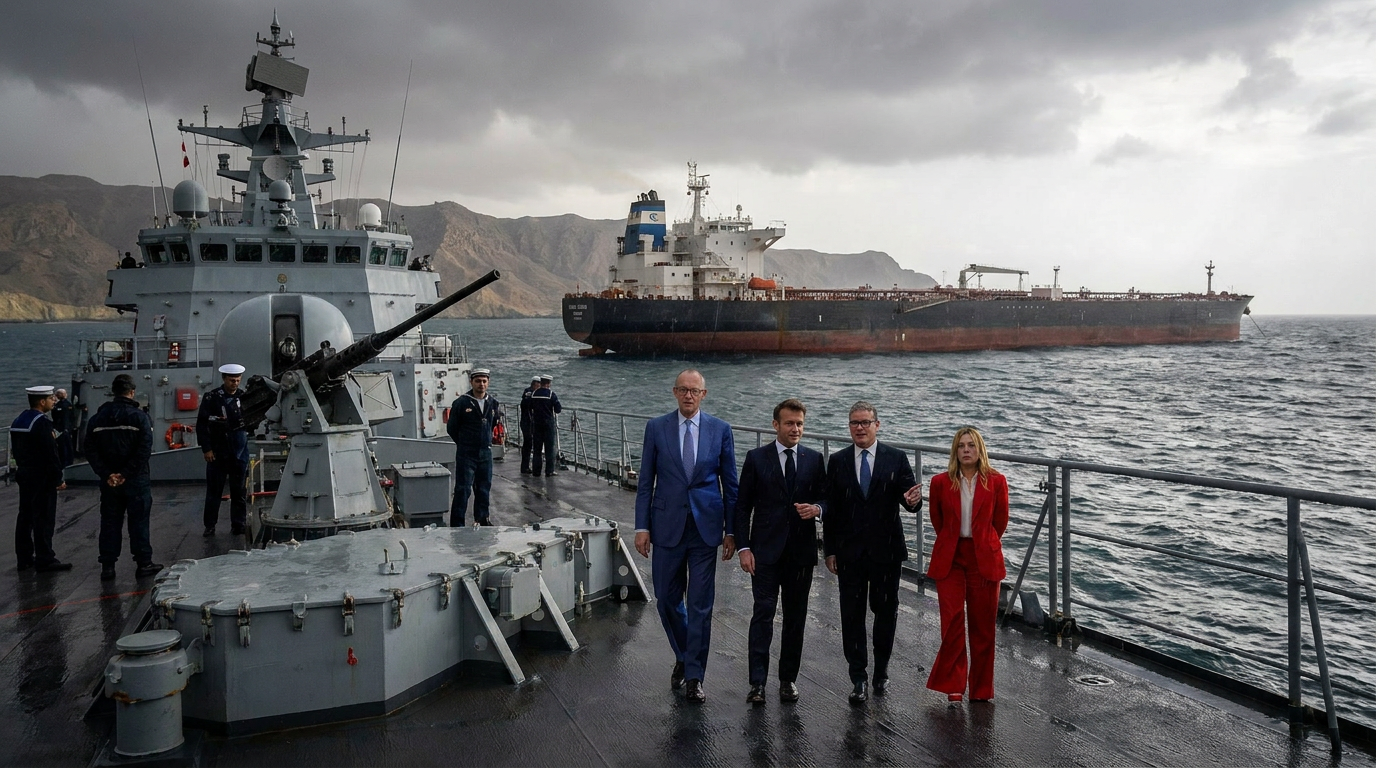
- Iranian Leadership
- Argues the US and Israel breached the MOU by continuing strikes in Lebanon, making the strait closure a justified response.
- US Administration
- Views the MOU as requiring a complete halt to fighting on all fronts, pressuring both Israel and Hezbollah to stop so the broader peace deal can proceed.
- Israeli Defense Establishment
- Maintains that Israel is not bound by the US-Iran pact and must continue operations in southern Lebanon to neutralize Hezbollah threats and rocket fire.
- Security & Legal Analysts
- Observes that Iran is using the strait as a strategic lever to protect its proxy network, exposing the fragility of the non-binding US-Iran framework.
What's not represented
- · Commercial Shipping Companies
- · Global Energy Importers
- · Lebanese Civilians
Why this matters
The Strait of Hormuz is a critical chokepoint for global energy supplies. Its sudden closure threatens to trigger massive spikes in oil prices, disrupt international supply chains, and potentially drag the US back into direct military conflict just days after a historic peace agreement.
Key points
- Iran has closed the Strait of Hormuz to commercial traffic just three days after reopening it.
- Tehran cites ongoing Israeli airstrikes against Hezbollah in Lebanon as a violation of the US-Iran peace agreement.
- Israel claims it is responding to a barrage of over 50 projectiles fired by Hezbollah into northern Israel.
- The blockade threatens to unravel the 14-point Memorandum of Understanding signed by the US and Iran to end their 110-day war.
Iran's armed forces have abruptly re-closed the Strait of Hormuz to commercial vessel traffic, shattering a fragile three-day reopening and sending immediate shockwaves through global energy markets. The sudden blockade marks the first major crisis since the United States and Iran signed a landmark Memorandum of Understanding (MOU) earlier this week to end their devastating 110-day war. The closure threatens to rapidly unravel the diplomatic breakthrough, plunging the region back into a state of high-stakes military brinkmanship just as international shipping had begun to resume normal operations. For the global economy, the renewed chokehold on the world's most critical oil transit route revives the immediate threat of supply chain paralysis.[1][2]
Tehran's Khatam al-Anbiya Central Headquarters formally announced the closure on Saturday, citing ongoing Israeli military operations against Hezbollah in southern Lebanon as the direct catalyst. Iranian military officials argue that the United States and Israel are acting in 'bad faith' and explicitly violating the MOU's core stipulation, which called for an immediate termination of military operations on all fronts. In a statement broadcast on state television, the military command described the blockade as a necessary and measured 'first step' in response to these alleged breaches of promise. Furthermore, they issued a stark warning that additional, unspecified retaliatory measures would be planned and executed if the perceived aggression in the Levant continues unchecked.[2][5]
The immediate trigger for the renewed blockade stems from a deadly escalation of violence across the Israel-Lebanon border. Despite widespread reports of a nascent local ceasefire, Israeli airstrikes in southern Lebanon on Saturday killed at least 16 people, including two children, according to Lebanese civil defense officials and state media. The intense bombardment hit multiple locations, including residential buildings in the southern town of Nabatieh and infrastructure in the Bekaa Valley. This localized bloodshed has severely strained the broader regional peace framework, as Iranian officials have made it abundantly clear that their compliance with the US agreement hinges entirely on the cessation of hostilities against their primary regional proxy.[4][6]

Israel, crucially, is not a direct signatory to the US-Iran pact and maintains that its military actions are strictly a matter of national self-defense. The Israel Defense Forces (IDF) reported that Hezbollah militants launched a barrage of over 50 projectiles into northern Israel overnight, prompting the decisive retaliatory airstrikes. Israeli officials, including the ambassador to the US, insist that they will remain deployed within a 10-kilometer security zone in southern Lebanon until the persistent threat to their northern residents is permanently neutralized. From the Israeli perspective, Hezbollah's continued rocket fire constitutes a repeated and flagrant violation of any localized truce, necessitating a robust military response regardless of Washington's diplomatic arrangements with Tehran.[3][6]
Israel, crucially, is not a direct signatory to the US-Iran pact and maintains that its military actions are strictly a matter of national self-defense.
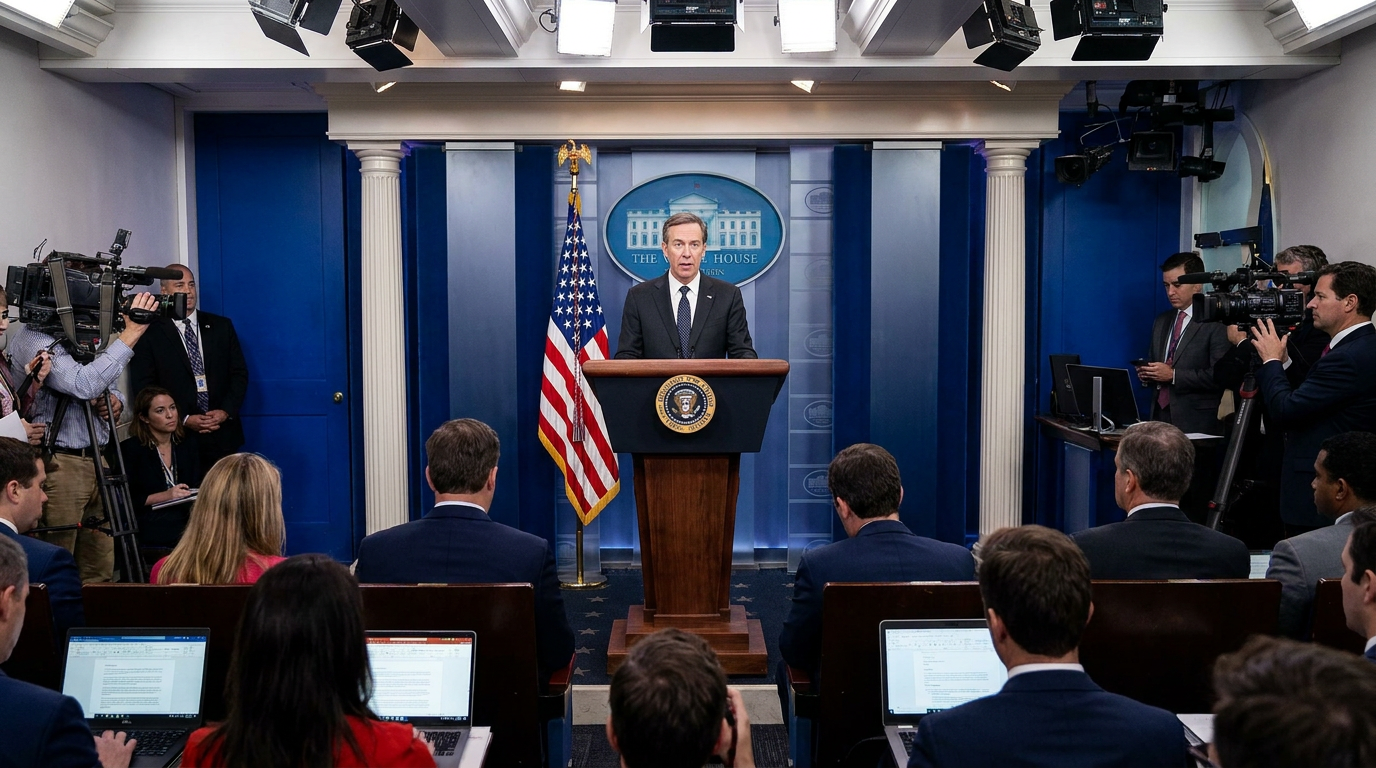
The Trump administration now finds itself scrambling to salvage the comprehensive diplomatic framework it just brokered. President Donald Trump, who recently referred to the inclusion of a Lebanon ceasefire as the 'icing on the cake' of the broader Iran deal, took to social media to demand a complete and immediate halt to hostilities from all involved parties. The text of the US-Iran MOU explicitly calls for the termination of military operations on all fronts, a clause that effectively requires Iran to rein in Hezbollah while simultaneously expecting the United States to restrain Israeli military operations. This delicate balancing act is now collapsing under the weight of the realities on the ground.[3][10]
The strategic consequences of the closure are immense, immediately choking off one of the world's most critical energy arteries. Just a day prior to the blockade, maritime tracking data from AXSMarine showed 25 commercial vessels successfully transiting the strait—the highest single-day volume recorded since mid-April, following the initial lifting of wartime restrictions. The sudden reversal traps international shipping in the geopolitical crossfire, forcing massive oil tankers and cargo vessels to either reroute or drop anchor indefinitely. This logistical nightmare revives profound fears among global economists of devastating supply chain disruptions, soaring insurance premiums, and a massive spike in global energy prices.[1][3]

Security analysts note that Iran is deliberately and effectively weaponizing the waterway to protect its regional proxy network. According to assessments by the Institute for the Study of War, Tehran views recognized control over the Strait of Hormuz as a core strategic objective and a primary source of long-term deterrence. By explicitly tying the fate of global commercial shipping to the physical survival of Hezbollah, the Iranian regime is attempting to force Washington's hand. The strategy is designed to compel the US to exert maximum diplomatic and economic pressure on Israel to withdraw from southern Lebanon, using the global economy as a hostage.[7]
Ultimately, the crisis exposes the deep structural vulnerabilities of the US-Iran MOU. International law experts at Chatham House point out that the 14-point document is merely a political framework rather than a legally binding, Senate-ratified treaty. It relies almost entirely on mutual good faith rather than enforceable international mechanisms. With technical implementation talks scheduled to begin in Switzerland within days, mediators from Pakistan and Qatar face the daunting task of bridging a rapidly widening chasm. If they cannot reconcile the localized violence in Lebanon with the broader geopolitical agreement, the 60-day negotiation window for a final peace deal may collapse entirely.[5][8]
How we got here
April 2026
The US and Iran agree to an initial two-week ceasefire, mediated by Pakistan, which is later extended.
June 17, 2026
President Trump and Iran's president sign a 14-point Memorandum of Understanding to officially end the 110-day war.
June 18, 2026
The Strait of Hormuz reopens to commercial traffic, with 25 vessels transiting the waterway.
June 19, 2026
Intense fighting erupts between Israel and Hezbollah in southern Lebanon, straining the broader peace framework.
June 20, 2026
Iran announces the re-closure of the Strait of Hormuz, citing the Lebanon strikes as a breach of the MOU.
Viewpoints in depth
Iranian Military Command
Views the closure as a necessary response to US and Israeli bad faith.
Iran's Khatam al-Anbiya Central Headquarters argues that the US-Iran MOU explicitly demanded a halt to military operations on all fronts, including the Levant. By allowing—or failing to stop—Israeli strikes against Hezbollah, Tehran believes Washington has already breached the core premise of the agreement. Consequently, Iranian commanders view the blockade of the Strait of Hormuz not as an act of unprovoked aggression, but as a legitimate, proportional 'first step' to enforce compliance and protect their regional allies.
US Administration
Demands a total cessation of hostilities to preserve the historic peace framework.
The Trump administration views the MOU as a comprehensive package deal that requires absolute quiet across the Middle East to succeed. President Trump has publicly insisted that the agreement mandates a complete ceasefire on all fronts, explicitly naming Lebanon, Hezbollah, and Israel. From Washington's perspective, the localized fighting threatens to sabotage a monumental diplomatic achievement that ended a 110-day war, and they are exerting immense pressure on all parties to stand down so the 60-day negotiation window can proceed.
Israeli Defense Establishment
Prioritizes immediate border security over Washington's broader diplomatic arrangements.
Israel maintains a strict operational focus on neutralizing immediate threats to its northern communities. Because Israel is not a signatory to the US-Iran pact, the IDF does not consider itself legally bound by its terms, especially when facing active rocket fire. Israeli officials argue that Hezbollah's launch of over 50 projectiles necessitates a robust military response, and they refuse to withdraw from their 10-kilometer security buffer in southern Lebanon until the militant group is permanently degraded, regardless of the impact on global shipping.
What we don't know
- Whether the scheduled technical implementation talks in Switzerland will proceed or be indefinitely postponed.
- How long the global shipping industry can sustain the rerouting before major supply chain disruptions occur.
- If the Trump administration will apply direct leverage on Israel to halt its operations in southern Lebanon.
Key terms
- Strait of Hormuz
- A narrow, strategically critical waterway between the Persian Gulf and the Gulf of Oman through which a massive portion of the world's oil supply passes.
- Memorandum of Understanding (MOU)
- A formal but non-legally binding agreement between two or more parties outlining the terms and details of an understanding, often used as a stepping stone to a final treaty.
- Hezbollah
- A heavily armed, Iran-backed Shia Islamist political party and militant group based in Lebanon.
- Khatam al-Anbiya Central Headquarters
- The highest-level joint military command of the Iranian Armed Forces, responsible for coordinating operations across all military branches.
Frequently asked
Why did Iran close the Strait of Hormuz again?
Iran's military cited ongoing Israeli airstrikes against Hezbollah in southern Lebanon, which Tehran views as a violation of the newly signed US-Iran ceasefire agreement.
What is the US-Iran Memorandum of Understanding?
It is a preliminary 14-point agreement signed by the US and Iran to end their 110-day war, calling for an end to hostilities on all fronts and initiating a 60-day negotiation period for a final treaty.
Is Israel legally bound by the US-Iran agreement?
No, Israel is not a direct signatory to the pact. However, the agreement's terms require an end to military operations on all fronts, creating immense diplomatic pressure on Israel to halt its campaign in Lebanon.
How does this affect global shipping?
The Strait of Hormuz is a vital chokepoint for global oil supplies. Its closure traps commercial vessels, threatens to disrupt international supply chains, and could cause a significant spike in global energy prices.
Sources
Source coverage
10 outlets
4 viewpoints surfaced










[1]AxiosSecurity & Legal Analysts
Iran closing Strait of Hormuz over Israeli attacks on Lebanon
Read on Axios →[2]Channel News AsiaIranian Leadership
Iran says Hormuz Strait closed over Israel attacks on Lebanon
Read on Channel News Asia →[3]CBS NewsIsraeli Defense Establishment
Israel is honoring ceasefire, but Hezbollah must be 'destroyed,' ambassador says
Read on CBS News →[4]ITV NewsIranian Leadership
Iran closes Strait of Hormuz again as Israel continues to strike Lebanon
Read on ITV News →[5]The HinduIranian Leadership
Iran's military command announces Strait of Hormuz closure over ceasefire violations by U.S., Israel
Read on The Hindu →[6]CBCIsraeli Defense Establishment
Israel, Hezbollah reportedly agree to renew ceasefire
Read on CBC →[7]Institute for the Study of WarSecurity & Legal Analysts
Iran Update Special Report, June 18, 2026
Read on Institute for the Study of War →[8]Chatham HouseSecurity & Legal Analysts
US-Iran MoU: A legally binding agreement?
Read on Chatham House →[9]Fox NewsUS Administration
Trump says Iran missiles 'aren't the problem' after White House made them central to war rationale
Read on Fox News →[10]The GuardianUS Administration
US-Iran deal takeaways: reopening the strait of Hormuz, waived oil sanctions and Lebanon
Read on The Guardian →
Every angle. Every day.
Get news politics stories with full source coverage and perspective breakdowns delivered to your inbox.