
How to Buy an E-Bike in 2026: Motors, Batteries, and Classes Explained
Navigating the booming e-bike market requires understanding key technical specs. This comprehensive guide explains motor types, battery capacity, and legal classes to help you find the perfect ride.
By Factlen Editorial Team
- Urban Commuters
- Riders focused on flat, paved routes who prioritize affordability and low maintenance.
- Off-Road & Cargo Riders
- Riders tackling steep hills, rough terrain, or heavy loads who require maximum mechanical advantage.
- Safety & Regulation Advocates
- Stakeholders focused on battery fire prevention and trail etiquette.
What's not represented
- · Traditional acoustic bicycle purists who oppose e-bikes on shared trails.
- · Local bike shop mechanics dealing with the influx of unrepairable direct-to-consumer e-bikes.
Why this matters
Purchasing an e-bike is a significant investment that can replace car trips, improve cardiovascular health, and reduce commuting costs. Understanding the underlying technology ensures you buy a safe, reliable machine tailored to your local terrain rather than an underpowered or overpriced mismatch.
Key points
- Hub motors are affordable and low-maintenance, ideal for flat city commutes.
- Mid-drive motors leverage the bike's gears, making them superior for climbing hills and hauling cargo.
- Torque (Nm) is a more accurate measure of a motor's pulling power than raw wattage.
- Battery capacity is best measured in Watt-Hours (Wh) to accurately estimate riding range.
- E-bikes are divided into three legal classes based on top speed and throttle availability.
- Always ensure e-bike batteries carry UL 2849 certification to prevent fire risks.
The electric bicycle market has matured significantly by 2026, transitioning from a niche hobbyist pursuit into a mainstream, highly specialized transportation solution. But for first-time buyers, navigating the showroom floor or browsing direct-to-consumer websites can feel like a high-pressure exam in electrical engineering. The sheer variety of models, frame styles, and propulsion systems has expanded exponentially over the past few years, leaving many consumers overwhelmed by the choices. Instead of simply picking a color and a frame size, today's buyers must make complex decisions about motor placement, battery chemistry, and legal classifications before making a substantial financial investment.[7]
Shoppers are routinely bombarded with technical jargon—volts, watt-hours, mid-drives, and torque ratings—making it difficult to separate marketing hype from practical, real-world performance. Understanding these core metrics is essential to finding a bike that matches your specific riding needs without overpaying for unnecessary features. A bike that performs flawlessly on a flat coastal boardwalk might stall completely on a steep suburban hill, while a rugged mountain e-bike might be an overly heavy and expensive choice for a simple two-mile city commute.[6]
The most fundamental choice when selecting an e-bike is the motor placement. The market is currently dominated by two primary designs: hub-drive motors and mid-drive motors. Each system fundamentally changes how the bike handles, accelerates, and climbs, dictating the overall riding experience from the moment you push the pedals. Choosing the wrong motor type is the most common mistake new buyers make, as it directly impacts both the bike's capabilities and its long-term maintenance requirements. Understanding the mechanical differences between these two systems is the first step in narrowing down the vast array of available options.[1]
Hub motors, typically housed in the center of the rear wheel, are the most common and affordable option found on entry-level and commuter e-bikes. Because they operate entirely independently of the bicycle's standard drivetrain, they are relatively simple to maintain and do not cause excessive wear on the chain or cassette gears. If a chain breaks on a hub-motor bike equipped with a throttle, the rider can often still use the motor to get home, providing a layer of mechanical redundancy.[5]

When you ride a hub-motor e-bike, the power delivery feels distinctly like being pushed from behind by an invisible hand. This direct-drive sensation is excellent for flat city commutes, casual cruising, and riders who want maximum assistance with minimal physical effort. However, because hub motors have only a single gear ratio, they are forced to work harder at lower speeds. Consequently, they can struggle, drain the battery rapidly, and even overheat when tasked with climbing steep, sustained hills or carrying heavy cargo.[1]
Mid-drive motors, conversely, are mounted directly at the bottom bracket between the bicycle's pedals. This central, low placement keeps the bike's center of gravity perfectly balanced, resulting in a more stable and natural riding feel that closely mimics traditional acoustic cycling. Because the heavy motor weight is not concentrated in the rear wheel, mid-drive bikes handle corners, technical off-road trails, and sudden stops with significantly more agility and predictability. This balanced weight distribution is highly prized by mountain bikers and performance-oriented commuters alike.[6]
The true mechanical advantage of a mid-drive system is its ability to leverage the bicycle's existing gears. Just as a rider downshifts to climb a steep hill, the mid-drive motor uses those lower gears to spin efficiently at a high RPM, delivering massive pulling power on steep inclines without draining the battery excessively. This synergy between the motor and the drivetrain makes mid-drives the undisputed champions of hilly terrain and heavy cargo hauling. By operating in its optimal power band, a mid-drive motor can often extract significantly more range from a battery than a comparable hub motor navigating the same varied topography.[1][5]
However, this elevated performance comes at a premium price point. Mid-drive e-bikes are generally more expensive to manufacture and purchase, requiring specially designed frames to house the motor unit. Furthermore, because the motor's power is channeled directly through the chain and cassette, they place far greater stress on the bicycle's drivetrain. Riders must be diligent about shifting gears properly—easing off the pedals slightly during shifts—to avoid snapping chains or grinding gears. Owners of mid-drive bikes should expect to replace their chains and cassettes more frequently than they would on a simpler hub-drive system.[5]
Beyond motor placement, buyers must decode the numbers that dictate an e-bike's power. Many consumers mistakenly fixate on wattage—such as 500W, 750W, or 1000W—assuming a higher number automatically guarantees a faster, stronger bike. In reality, wattage merely measures the raw electrical power consumption of the motor, not how effectively that power is translated into forward momentum. Relying solely on wattage is akin to judging a car's performance strictly by how much gasoline it consumes, rather than looking at its horsepower or torque.[4]
Beyond motor placement, buyers must decode the numbers that dictate an e-bike's power.
The far more critical metric for real-world performance is torque, which is measured in Newton-meters (Nm). Torque represents the actual rotational force or "muscle" the motor produces to turn the wheel. A highly efficient, high-torque 500W mid-drive motor will easily outperform a low-torque 750W hub motor when starting from a dead stop, accelerating under load, or hauling groceries up a steep grade. In the e-bike world, wattage is what you pay for on the spec sheet, but torque is the tangible pulling force you actually feel when you press down on the pedals.[4]

For flat urban riding and casual boardwalk cruising, a motor producing 30 to 40 Nm of torque is usually more than sufficient to provide a pleasant, sweat-free ride. But for heavy cargo bikes, heavier riders, or daily commuting routes that involve mountainous terrain, experts strongly recommend seeking motors that produce 60 to 85 Nm or more. This higher torque ensures the motor will not bog down, stall, or overheat when faced with serious resistance. Choosing the right torque rating is the difference between effortlessly gliding up a hill and being forced to stand on the pedals in exhaustion.[4]
The battery is typically the single most expensive component of any electric bicycle, and its capacity directly dictates your riding range. Battery specifications are usually broken down into three distinct numbers: Volts (V), Amp-Hours (Ah), and Watt-Hours (Wh). Understanding how these three metrics interact is crucial for accurately estimating how far a bike can travel before needing to be plugged into a wall outlet. Without this knowledge, buyers risk purchasing a bike that falls short of their daily commuting distance, leading to frustrating instances of "range anxiety."[2]
Voltage acts as the electrical "force" pushing the current through the system. Most modern e-bikes utilize 36V or 48V systems, with high-performance or off-road models occasionally pushing to 52V or 72V. Higher voltages generally provide better acceleration, higher top speeds, and more efficient power delivery to the motor. Meanwhile, Amp-hours represent the physical size of the battery's "fuel tank," indicating exactly how much current the battery can deliver over a specific period of time. A higher Ah rating means the battery holds more raw charge.[2]
To truly compare the range capabilities of different e-bikes, buyers should look exclusively at Watt-Hours, which is calculated by multiplying Volts by Amp-Hours (V x Ah = Wh). A higher Wh rating is the single most accurate predictor of how far the bike can travel on a single charge, representing the total pool of energy available. For example, a 500Wh battery will consistently outlast a 300Wh battery, regardless of the specific voltage or amp-hour configuration, providing the rider with significantly more miles per charge. When shopping, prioritizing a high Watt-Hour rating is the best way to guarantee long-distance reliability.[2]

Most modern e-bikes rely on advanced lithium-ion chemistry, which offers high energy density, relatively light weight, and a long lifespan of charge cycles compared to older lead-acid technology. However, battery safety has become a paramount concern in 2026 following a rise in unregulated, low-cost imports. It is now absolutely crucial to ensure any e-bike battery purchased carries proper UL 2849 certification, which guarantees the entire electrical system has been rigorously tested by independent laboratories to prevent thermal runaway and catastrophic fire risks. Reputable brands will prominently display this certification.[6][7]
Finally, buyers must understand the three-class regulatory system that governs e-bike legality in the United States and many other regions. Class 1 e-bikes provide motor assistance only when the rider is actively pedaling, and the motor cuts off completely when the bike reaches 20 mph. Because they require human effort and operate at moderate speeds, Class 1 bikes are the most widely accepted on multi-use trails, mountain bike parks, and shared pedestrian paths. For riders looking for a traditional cycling experience with a helpful tailwind, Class 1 is the standard choice.[3]
Class 2 e-bikes also cap their motor assistance at 20 mph, but they include a throttle mechanism on the handlebars, allowing the bike to move forward without any pedaling effort whatsoever. This throttle feature is particularly useful for getting a heavy cargo bike started from a dead stop at traffic lights, or for riders managing injuries or disabilities who need occasional breaks from pedaling. However, buyers should be aware that some strict mountain bike trails and unpaved park systems prohibit Class 2 bikes specifically because of the throttle capability.[3]
Class 3 e-bikes are designed specifically for faster, longer-distance commuting, offering pedal assistance up to a brisk 28 mph. Because of their significantly higher top speeds, they are often legally restricted from shared pedestrian paths and require the rider to stick to dedicated road bike lanes or vehicular traffic lanes. Many municipalities also mandate that Class 3 riders wear helmets, equip their bikes with speedometers, and adhere to stricter minimum age requirements. These high-speed models are ideal for replacing a car on a long suburban commute, but they demand a higher level of rider responsibility.[3]

Ultimately, the perfect e-bike is the one meticulously tailored to your specific environment, physical capabilities, and daily routine. A lightweight, Class 1 hub-drive might be the absolute ideal choice for a flat, five-mile city commute where hauling the bike up a flight of apartment stairs is a daily reality. Conversely, a high-torque, mid-drive Class 3 cargo bike is a strict necessity for a hilly, 15-mile suburban trek carrying groceries and children. Buying the wrong style of bike for your local geography will inevitably lead to frustration and buyer's remorse.[6][7]
By prioritizing torque over raw wattage, understanding how to calculate true battery capacity in Watt-Hours, and matching the motor type to the local topography, consumers can look past the confusing marketing jargon that floods the market. Armed with this technical knowledge, buyers can confidently invest in a reliable, safe machine that will genuinely transform their daily mobility, improve their cardiovascular health, and bring a renewed sense of joy to their daily commute. The e-bike revolution is here to stay, and finding the right model ensures you can ride further, faster, and with a permanent smile.[7]
How we got here
1990s
Early heavy lead-acid battery e-bikes enter the market with limited range and high weight.
2010s
Lithium-ion batteries revolutionize the industry, making e-bikes significantly lighter and more practical.
2020
The pandemic triggers a massive global boom in e-bike adoption for commuting and outdoor recreation.
2026
The market matures with highly specialized models, integrated batteries, and advanced mid-drive shifting technology.
Viewpoints in depth
Urban Commuters
Riders focused on flat, paved routes who prioritize affordability and low maintenance.
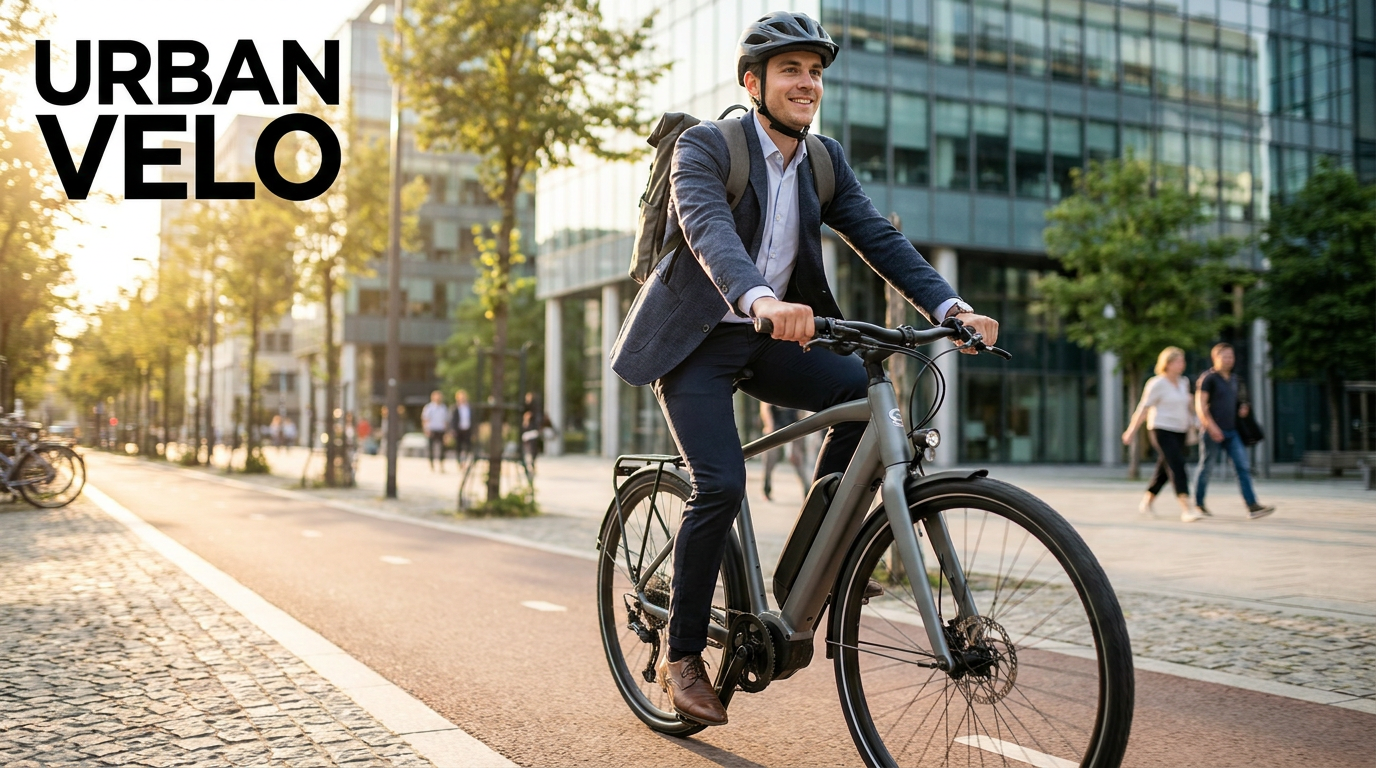
For city dwellers navigating relatively flat terrain, the simplicity of a hub-drive motor is often the most logical choice. These riders value the lower upfront cost and the fact that hub motors operate independently of the bike's drivetrain, meaning a broken chain doesn't leave them stranded. They generally prefer Class 1 or Class 2 bikes, which are legally permitted on most urban bike paths and require less specialized maintenance than high-torque mid-drive systems.
Off-Road & Cargo Riders
Riders tackling steep hills, rough terrain, or heavy loads who require maximum mechanical advantage.
Enthusiasts riding electric mountain bikes (e-MTBs) or parents hauling children on cargo bikes view mid-drive motors as a strict necessity. Because these motors leverage the bicycle's gearing, they can keep the motor spinning in its optimal efficiency range even when grinding up a 15% grade. For this camp, paying a premium for a motor with 85+ Nm of torque and accepting higher drivetrain wear is a worthwhile trade-off for the ability to conquer demanding topography.
Safety & Regulation Advocates
Stakeholders focused on battery fire prevention and trail etiquette.
As e-bikes have surged in popularity, safety advocates and local regulators have become increasingly vocal about standards. This perspective emphasizes the critical importance of UL 2849 certification for lithium-ion batteries to prevent thermal runaway incidents. Furthermore, they advocate for strict adherence to the three-class system, arguing that high-speed Class 3 bikes (capable of 28 mph) must be kept off shared pedestrian paths to minimize conflicts and accidents.
What we don't know
- How upcoming battery chemistries, such as solid-state batteries, will impact the weight and price of e-bikes in the near future.
- Whether local municipalities will introduce stricter licensing or age requirements for high-speed Class 3 e-bikes as they become more common.
Key terms
- Watt-Hours (Wh)
- The total energy capacity of a battery, calculated by multiplying Volts by Amp-Hours; the best indicator of range.
- Torque (Nm)
- The rotational force produced by the motor, determining how well the bike accelerates and climbs hills.
- Mid-Drive Motor
- An electric motor positioned at the bike's bottom bracket that powers the chain and utilizes the bicycle's gears.
- Hub Motor
- An electric motor built directly into the center of the front or rear wheel.
- Class 1 E-Bike
- An electric bicycle that only provides motor assistance while the rider is pedaling, up to a maximum speed of 20 mph.
- Class 3 E-Bike
- A faster electric bicycle that provides pedal assistance up to 28 mph, often used for road commuting.
Frequently asked
What is the difference between a hub motor and a mid-drive motor?
A hub motor is located in the center of the wheel and pushes the bike directly, while a mid-drive motor is located at the pedals and uses the bike's gears for better hill climbing.
How do I know how far an e-bike will go on one charge?
Look at the battery's Watt-Hours (Wh), which is calculated by multiplying Volts by Amp-Hours. A higher Wh rating provides a longer range.
Do I need a throttle on my e-bike?
Throttles (found on Class 2 e-bikes) are helpful for starting from a dead stop or carrying heavy loads without pedaling, but they are not strictly necessary for general riding.
What does torque mean for an e-bike?
Torque, measured in Newton-meters (Nm), is the actual pulling power of the motor. High torque is essential for climbing steep hills and hauling cargo.
Sources
Source coverage
7 outlets
3 viewpoints surfaced





[1]EveloOff-Road & Cargo Riders
Mid-Drive vs Hub Motor eBikes: Which is Best?
Read on Evelo →[2]EM3EVSafety & Regulation Advocates
E-Bike Battery Basics: Volts, Amps, and Watts Explained
Read on EM3EV →[3]Priority BicyclesSafety & Regulation Advocates
Choosing the Right E-Bike for You: Classes Explained
Read on Priority Bicycles →[4]SeeMoon E-BikeOff-Road & Cargo Riders
2026 E-Bike Buying Guide: Torque vs Watts
Read on SeeMoon E-Bike →[5]HimiwayUrban Commuters
Hub Motor vs Mid-Drive at a Glance
Read on Himiway →[6]BikelineUrban Commuters
E-Bike Buying Guide for Beginners
Read on Bikeline →[7]Factlen Editorial TeamSafety & Regulation Advocates
Synthesis by Factlen editorial team
Read on Factlen Editorial Team →

Every angle. Every day.
Get shopping stories with full source coverage and perspective breakdowns delivered to your inbox.