
Global Equestrian Injury Report: Liedekerke-Meier Rides Through Pain as Top Horses Near Return
Belgian Olympian Lara de Liedekerke-Meier is targeting the World Championships despite a broken collarbone, while German show jumper Gerrit Nieberg welcomes back his star horse Ping Pong van de Lentamel.
By Factlen Editorial Team
- Rider Resilience
- Athletes balancing severe physical pain with the pressure of Olympic qualification cycles.
- Equine Welfare Advocates
- Prioritizing long-term horse health over immediate competition schedules.
- Federation Safety Officials
- Focusing on data collection and structured return-to-play protocols to minimize risk.
What's not represented
- · Veterinary Surgeons
- · Grooms and Stable Staff
Why this matters
Injuries are an inevitable part of equestrian sports, but the 2026 season highlights a growing emphasis on both rider resilience and patient, welfare-first equine rehabilitation. As major championships approach, these recovery timelines will directly shape national team selections and global podiums.
Key points
- Belgian eventer Lara de Liedekerke-Meier is competing in a shoulder brace after breaking her collarbone in May to keep her World Championship hopes alive.
- German national team coach Peter Thomsen is recovering in the hospital following a mid-June riding accident.
- Show jumper Gerrit Nieberg's top horse, Ping Pong van de Lentamel, is returning to training after a six-month injury layoff.
- US Equestrian data reveals a growing focus on safety, with over 7,500 rider falls recorded in 2025.
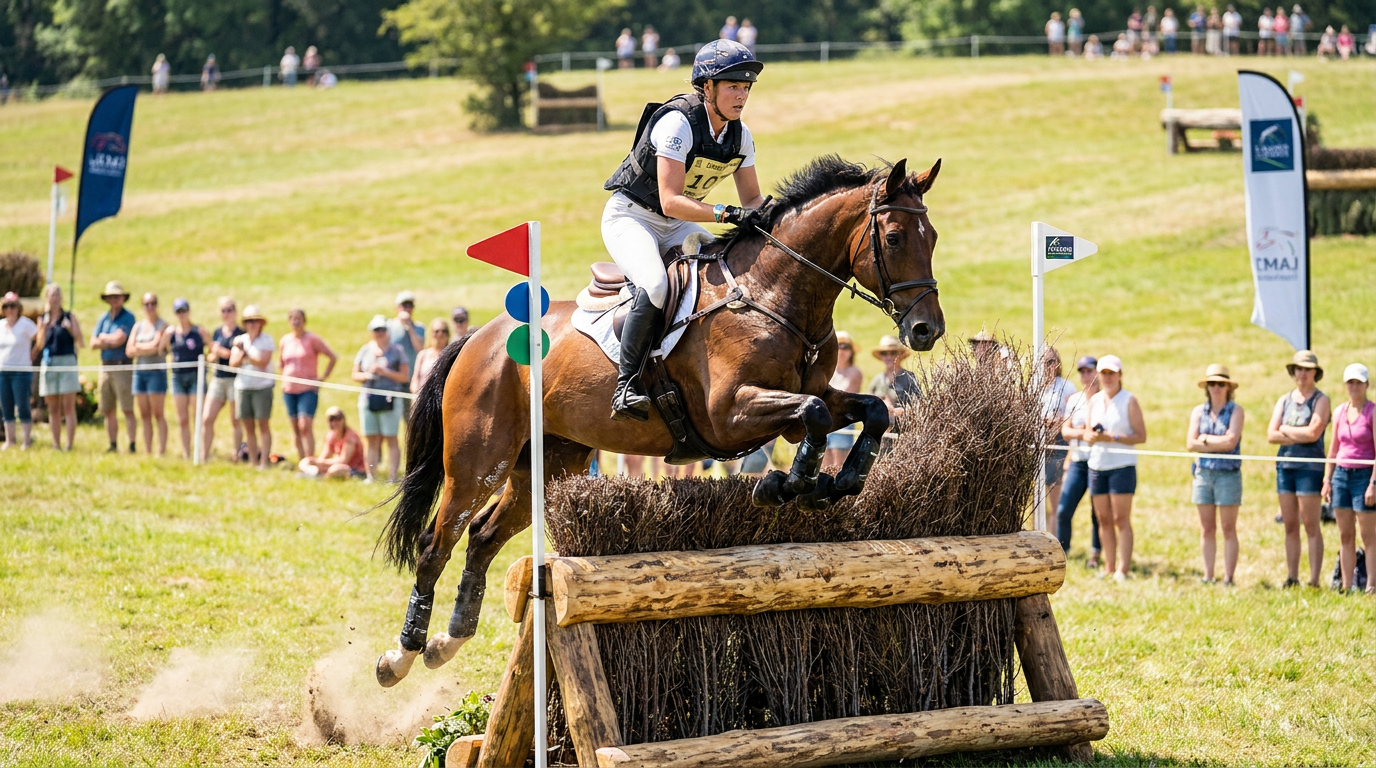
The 2026 global equestrian calendar is in full swing, and the physical toll of the sport is coming into sharp focus as major international competitions loom. Across the demanding disciplines of eventing, show jumping, and dressage, top athletes—both human and equine—are navigating the delicate and often frustrating balance between necessary recovery time and the pressing deadlines of World Championships and Olympic qualifications. In the eventing world, Belgian Olympian Lara de Liedekerke-Meier is currently redefining the concept of rider resilience. After suffering a broken left collarbone during a fall at Marbach in May while riding La La Land D'Arville, the veteran rider faced a critical medical decision that could dictate her entire season.[1]
Opting against immediate surgery due to the tight timeline before the upcoming World Championships, Liedekerke-Meier has chosen to compete in a specialized shoulder brace. "I'm being helped by the surgeon who operated on me [for a similar injury in 2024], but we decided not to do surgery now because we're not sure how the body will react," she explained to reporters. Her determination is already yielding remarkable results. Riding the exact same mare—who was completely uninjured in the May fall—Liedekerke-Meier recently secured an impressive third-place finish at the four-star short competition in Kronenberg. She noted that while the brace is far from comfortable, the immense pressure to secure a 2028 Olympic qualification for Belgium makes the physical discomfort worthwhile, joking that after experiencing childbirth, "pain is only in your head."[1]
Meanwhile, the German eventing community is rallying around its national team coach and Olympic gold medalist Peter Thomsen, who is facing his own recovery journey. Thomsen was hospitalized following a severe riding accident in mid-June, an unexpected setback that forced him to miss the highly anticipated German Eventing Championships in Luhmühlen. In his absence, the German Equestrian Federation had to quickly pivot its leadership structure for the event. Dr. Annette Wyrwoll, chair of the Eventing Committee, and Olympic champion Andreas Dibowski stepped in to support the national riders on-site. While the federation confirmed that Thomsen is on the road to recovery, his exact timeline for returning to his coaching duties on the sidelines remains unspecified, leaving a temporary leadership gap as the German team prepares for the summer's major international fixtures.[2]

In the show jumping arena, the mid-season injury news is decidedly more optimistic, particularly for German rider Gerrit Nieberg, who is preparing to welcome back one of his top mounts. His fourteen-year-old piebald gelding, Ping Pong van de Lentamel, is nearing a highly anticipated return to the competitive ring. The talented horse, which famously carried Nieberg to a Global Champions Tour Grand Prix victory in Riesenbeck in 2025, has been sidelined since securing a third-place finish in Leipzig this past January. "Ping Pong is jumping at home again, and I hope to enter him in some smaller classes in a few weeks," an enthusiastic Nieberg announced, signaling that the careful, months-long rehabilitation process has finally paid off.[3]
His fourteen-year-old piebald gelding, Ping Pong van de Lentamel, is nearing a highly anticipated return to the competitive ring.
Nieberg’s stable has also been unexpectedly bolstered by the return of his former top grey gelding, Blues d'Aveline. After a successful stint with Austrian rider Max Kühner—who patiently rehabilitated the horse from his own series of injury setbacks in early 2025—Blues d'Aveline is back under Nieberg's saddle, and the reunited duo immediately proved their fitness by winning a 1.45m class in Kronenberg. Across the Atlantic, the American show jumping contingent has also dealt with its share of physical hurdles. Earlier this spring, former World Cup champion McLain Ward was forced to withdraw his mount Jordan Molga M from the Longines FEI Jumping World Cup Final in Fort Worth due to a minor personal injury, allowing Lillie Keenan to step in and fill his highly coveted spot on the roster.[3][4]

On the dressage front, the focus remains heavily on patient equine recovery rather than rushing back for immediate accolades. Marcus Orlob's top United States Grand Prix prospect, the twelve-year-old mare Jane, was sidelined this spring following an unfortunate paddock injury. The setback forced the promising duo to entirely miss the U.S. national Grand Prix championship held in Ocala, Florida. Jane, who was eliminated from the 2024 Paris Olympics after a minor nick drew blood, is widely considered by international judges to be a top candidate for the 2028 Los Angeles Games. Recognizing her immense long-term potential, Orlob and owner Alice Tarjan have strictly adhered to veterinary advice, delaying her return to work to ensure complete healing, even at the cost of immediate championship contention this season.[5]
These individual stories of sidelined athletes and recovering horses reflect a much broader industry shift toward formalized injury tracking and proactive rehabilitation protocols. The United States Equestrian Federation (USEF) recently released comprehensive safety data revealing 7,552 rider falls and 222 horse falls across its licensed competitions during the 2025 season—averaging out to more than 150 falls per week. By actively quantifying these inherent risks, national federations are slowly moving away from the sport's traditional "walk it off" mentality. Medical professionals and federation officials are increasingly treating equestrian concussions, fractures, and soft-tissue injuries with the same structured, data-driven "return to play" protocols utilized in mainstream professional sports.[6]

Ultimately, this modern approach to equestrian injuries ensures that when riders and horses do finally return to the competition ring, they are genuinely physically and mentally prepared to perform at their peak. The days of rushing a horse back from a tendon strain or a rider ignoring a severe concussion are being replaced by a culture that values long-term welfare over short-term glory. As the 2026 season progresses toward the World Championships and the Longines Global Champions Tour finals, the careful management of these high-profile recoveries will directly shape national team selections and determine who ultimately stands on the global podiums. For athletes like Liedekerke-Meier and horses like Ping Pong van de Lentamel, the true victory lies in simply making it back to the starting gate.[1][3][6]
How we got here
January 2026
Ping Pong van de Lentamel finishes third in Leipzig before being sidelined with an injury.
April 2026
McLain Ward withdraws from the World Cup Final due to a minor personal injury.
May 2026
Lara de Liedekerke-Meier breaks her collarbone in a fall at Marbach but decides against surgery.
Mid-June 2026
German national coach Peter Thomsen is hospitalized after a riding accident.
Late June 2026
Liedekerke-Meier secures a third-place finish at Kronenberg while riding in a shoulder brace.
Viewpoints in depth
Rider Resilience
Athletes balancing severe physical pain with the pressure of Olympic qualification cycles.
Riders like Lara de Liedekerke-Meier often delay necessary surgeries to keep their championship hopes alive. This perspective highlights the intense mental toughness required in equestrian sports, where athletes frequently compete with broken bones or torn ligaments, viewing pain as a secondary concern to securing national team spots.
Equine Welfare Advocates
Prioritizing long-term horse health over immediate competition schedules.
Owners and trainers are increasingly adopting a patient approach to equine rehabilitation. As seen with Marcus Orlob's mare Jane and Gerrit Nieberg's Ping Pong van de Lentamel, giving a horse months of downtime rather than rushing them back for a specific Grand Prix ensures they can compete safely for years to come, reflecting a broader cultural shift toward animal welfare.
Federation Safety Officials
Focusing on data collection and structured return-to-play protocols to minimize risk.
Organizations like the USEF are actively tracking thousands of falls annually to establish statistical baselines for safety. This camp argues that the sport must abandon its traditional 'tough it out' mentality in favor of mandatory medical clearances, visio-vestibular exams for concussions, and strict recovery timelines to protect both human and equine athletes.
What we don't know
- Whether Lara de Liedekerke-Meier will require surgery on her collarbone after the 2026 World Championships.
- The exact timeline for Peter Thomsen's return to his coaching duties for the German national team.
- When Marcus Orlob's mare Jane will be fully cleared to resume Grand Prix dressage competition.
Key terms
- Eventing
- An equestrian triathlon consisting of dressage, cross-country, and show jumping, testing the ultimate versatility and stamina of horse and rider.
- Show Jumping
- A competitive equestrian event where horse and rider navigate a course of obstacles, with penalties for knocked-down rails or refusals.
- Dressage
- A highly skilled form of riding performed in exhibition and competition, often described as 'horse ballet,' focusing on precision and obedience.
- Four-star short (CCI4*-S)
- An advanced level of international eventing competition that serves as a key qualifier for major championships like the Olympics.
Frequently asked
What injury is Lara de Liedekerke-Meier currently riding with?
The Belgian eventing rider is competing with a broken left collarbone sustained in a May 2026 fall, opting to wear a brace rather than undergo immediate surgery.
Why is Peter Thomsen missing the German Eventing Championships?
The German national team coach and Olympic gold medalist was hospitalized following a severe riding accident in mid-June 2026.
When is Ping Pong van de Lentamel returning to competition?
Gerrit Nieberg's star show jumping gelding is back to jumping at home and is expected to enter smaller classes in the coming weeks after being sidelined since January.
How many rider falls were recorded by US Equestrian in 2025?
The USEF recorded 7,552 rider falls and 222 horse falls across its licensed competitions during the 2025 season.
Sources
Source coverage
6 outlets
3 viewpoints surfaced





[1]Horse & HoundRider Resilience
'Pain is only in your head': injured Olympian still targeting World Championships
Read on Horse & Hound →[2]Equi-Pages
Luhmühlen 2026: National Team Coach Peter Thomsen Will Be Unable to Attend the German Championships Due to a Hospital Stay
Read on Equi-Pages →[3]EqunewsEquine Welfare Advocates
Gerrit Nieberg Reunited with Blues d'Aveline and Announces Ping Pong's Return
Read on Equnews →[4]Horse Network
McLain Ward & Charlotte Dujardin Withdraw from 2026 World Cup Final
Read on Horse Network →[5]Dressage-NewsEquine Welfare Advocates
Jane, second ranked U.S. Grand Prix horse with rider Marcus Orlob, is sidelined
Read on Dressage-News →[6]US EquestrianFederation Safety Officials
Accidents will inevitably occur in equestrian sport, but there are lessons from other sports in how to handle concussions and change culture
Read on US Equestrian →
More in sports
See all 15 stories →Standings
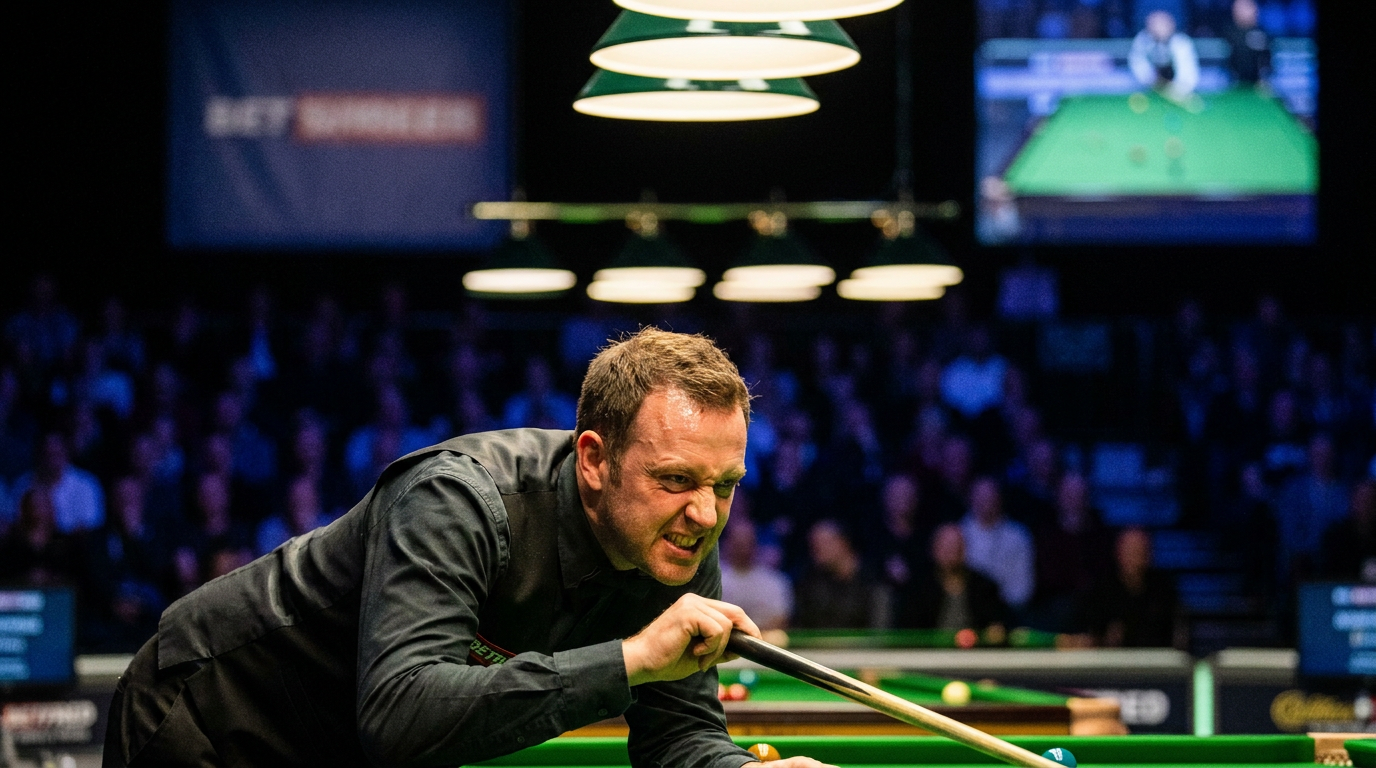
Early Snooker Standings Wide Open as 2026/27 Season Commences in Leicester
7 sources
Injury
PDC Injury Report: Top Stars Bounce Back as Smith, Price, and Van Duijvenbode Find Fitness
7 sources
Sports Tech
How AI and 'Digital Twins' Are Rewriting the Rules of Olympic Judging
8 sources
Standings
Beau Greaves Tops Final Standings as 2026 Women's World Matchplay Field is Confirmed
6 sources
Every angle. Every day.
Get sports stories with full source coverage and perspective breakdowns delivered to your inbox.