
A Japanese Biotech Company is Advancing Human Trials for a Tooth-Regrowing Drug
Toregem BioPharma has secured new funding to launch Phase II clinical trials for an antibody treatment that stimulates the body to grow new natural teeth. The drug, which targets a protein that suppresses tooth development, could eventually offer a biological alternative to dentures and implants.
By Factlen Editorial Team
- Regenerative Medicine Advocates
- View this as a revolutionary breakthrough that will fundamentally change dentistry by replacing artificial implants with living tissue.
- Dental Industry Observers
- Highlight the immediate life-changing potential for pediatric patients who currently have no viable permanent solutions.
- Clinical Skeptics
- Caution that ensuring proper alignment, nerve integration, and targeted growth in humans remains a massive biological hurdle.
What's not represented
- · Health Insurance Providers
- · General Practice Dentists
Why this matters
For decades, the only solutions for missing teeth have been artificial replacements like dentures and titanium implants. If successful, this biological approach could fundamentally transform dentistry by allowing humans to regenerate their own living teeth, offering a permanent, natural solution for congenital defects and age-related tooth loss.
Key points
- A Japanese biotech company has raised $5.3 million to accelerate Phase II trials for a tooth-regrowing drug.
- The intravenous antibody treatment, TRG035, works by blocking a protein that naturally suppresses tooth growth.
- Phase I trials on 30 healthy adult men concluded successfully with no serious adverse side effects.
- Phase II trials will focus on children born missing multiple permanent teeth due to a genetic condition.
- Researchers hope to make the treatment commercially available by 2030 as an alternative to implants.
For generations, the loss of a permanent tooth has meant relying on artificial substitutes. Whether through titanium implants, porcelain bridges, or removable dentures, modern dentistry has excelled at mimicking natural teeth but has never been able to replace them with living tissue.[3]
That paradigm is now shifting. A Japanese biotechnology company, Toregem BioPharma, is advancing clinical trials for a drug designed to stimulate the human body to grow new, natural teeth.[1]
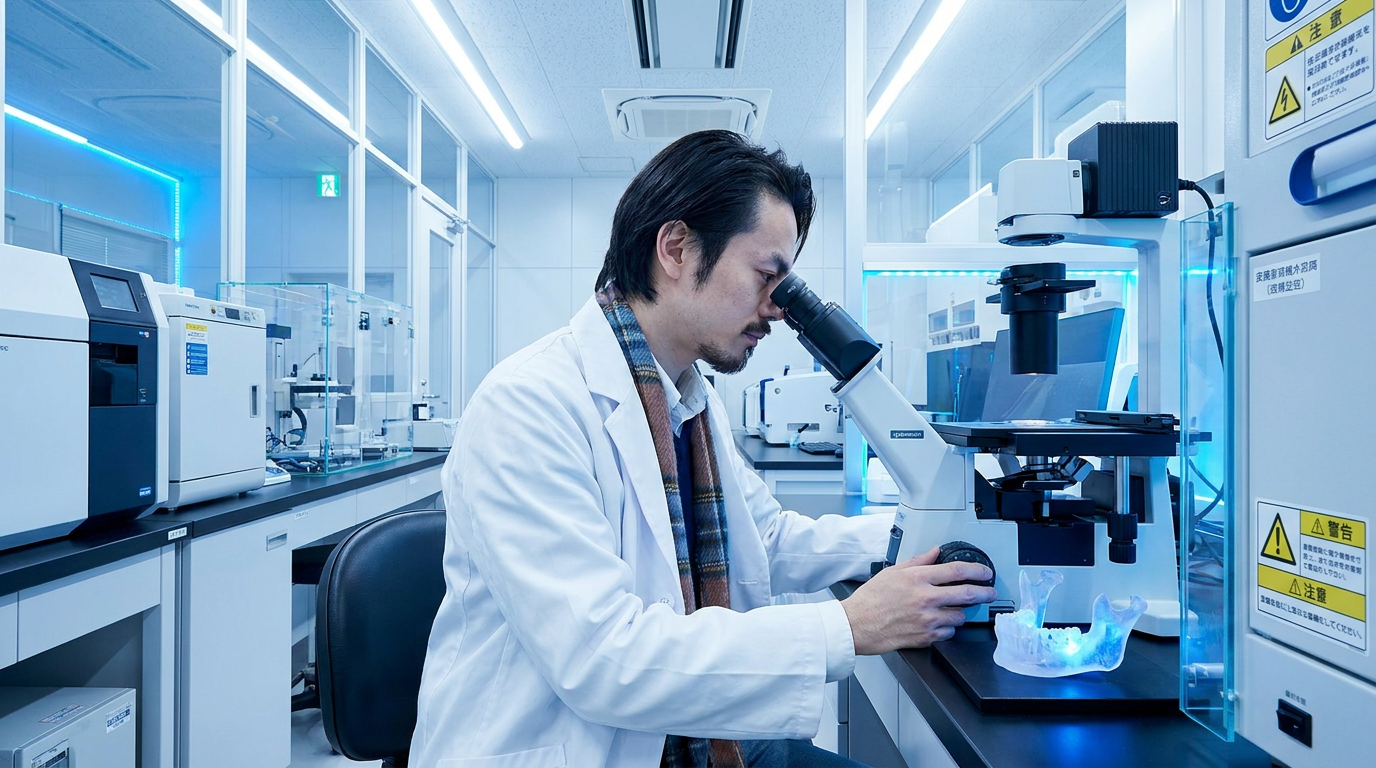
In June 2026, the Kyoto University spin-out announced it had secured $5.3 million in new funding, bringing its total capital raised to over $29 million. This financial injection is earmarked to accelerate Phase II human clinical trials for the company’s lead candidate, an experimental antibody treatment known as TRG035.[1][3]
The science behind TRG035 hinges on a protein called Uterine Sensitization Associated Gene-1, or USAG-1. In the human body, USAG-1 acts as a biological brake pedal. It interacts with signaling pathways to suppress tooth development, ensuring that humans only grow two sets of teeth: baby teeth and permanent adult teeth.[3][5]
Researchers discovered that by neutralizing this protein, they could release the brake. TRG035 is an intravenously administered antibody that binds to and inhibits USAG-1. By blocking the protein's suppressive effects, the drug activates dormant, vestigial tooth buds that remain hidden inside the human jawline.[2][3][5]

The concept relies on the theory of "third dentition." While humans typically only erupt two sets of teeth, the foundational cellular structures capable of producing a third set remain intact but inactive. TRG035 essentially signals these dormant buds to wake up and begin the growth process.[3][4]
The journey to human trials began with highly successful animal models. In a landmark 2021 study, researchers demonstrated that blocking USAG-1 successfully stimulated tooth regrowth in mice that were genetically engineered to lack teeth.[2][5]
The team subsequently tested the drug on ferrets and dogs, animals with dental structures more closely resembling those of humans. In both cases, the animals successfully grew functional new teeth without exhibiting significant adverse side effects, paving the way for human testing.[5]

Phase I clinical trials commenced in late 2024 at Kyoto University Hospital. The initial study enrolled 30 healthy adult men between the ages of 30 and 64, each missing at least one rear tooth. Because the primary goal of Phase I testing is to evaluate safety and dosage rather than efficacy, researchers closely monitored the participants for adverse reactions.[4][5]
Phase I clinical trials commenced in late 2024 at Kyoto University Hospital.
Preliminary results from the Phase I trials have been highly encouraging. The initial cohort of volunteers completed the testing without any serious adverse events being reported, successfully clearing the first major regulatory hurdle for the drug.[3][4]
With safety data in hand, Toregem is now pivoting to Phase II, which will focus on the demographic that stands to benefit most immediately: children suffering from severe congenital hypodontia.[3]
Congenital hypodontia is a rare genetic condition in which patients are born missing six or more permanent teeth. For these children, the clinical stakes are incredibly high. Because their jawbones are still growing and developing, traditional dental implants cannot be safely anchored into the bone.[1][3]
As a result, pediatric patients with severe hypodontia are often forced to rely on removable dentures for years until they reach adulthood. This prolonged wait can severely impact their ability to chew, speak properly, and develop normal facial structures, while also taking a psychological toll.[3][4]

If TRG035 proves effective in Phase II trials, it could offer a biological cure for these children, allowing them to grow their own missing teeth naturally and bypass years of invasive and imperfect artificial interventions.[1][4]
While the immediate focus remains on congenital conditions, the long-term vision for TRG035 is far broader. Toregem ultimately hopes to adapt the treatment for adults who have lost teeth due to severe decay, periodontal disease, or physical trauma.[1][3]
However, experts caution that significant hurdles remain before tooth-regrowing injections become a routine part of dental care. One major challenge is ensuring that a newly stimulated tooth grows in the correct alignment and successfully integrates with the jaw's existing network of nerves and blood vessels.[2]
There are also questions regarding the precision of the drug. Because the treatment is administered systemically via an intravenous injection, researchers must ensure that the antibody only triggers growth in the specific areas where teeth are missing, rather than causing unwanted tooth development across the entire jaw.[2]
Cost is another factor that will need to be addressed. Early estimates suggest that, if approved, the initial price of the treatment could be substantial, potentially limiting access until manufacturing scales and insurance frameworks adapt to the new technology.[5]

How we got here
2005
Researchers in Japan begin studying the biological mechanisms that suppress tooth development.
2021
A landmark study demonstrates that blocking the USAG-1 protein successfully regrows teeth in mice.
Late 2024
Phase I human clinical trials begin at Kyoto University Hospital to test the drug's safety.
June 2026
Toregem BioPharma secures new funding to launch Phase II trials targeting congenital tooth loss.
2030
The provisional target year for the drug to become commercially available to the public.
Viewpoints in depth
Lead Researchers
Scientists view this as the realization of a long-held dream in the dental field.
For the research teams at Kyoto University and Toregem BioPharma, the ability to unlock a 'third dentition' represents a monumental shift in human biology. They argue that because the vestigial tooth buds already exist in the jaw, the body is fully capable of regenerating teeth if the biochemical brakes are removed. Lead researchers frequently refer to the breakthrough as 'every dentist's dream,' emphasizing that living tissue will always be superior to artificial implants in terms of durability, immune compatibility, and overall oral health.
Pediatric Dental Specialists
Focus on the immediate, life-changing relief the drug could provide to children with genetic tooth loss.
Pediatric dentists point out that children with severe congenital hypodontia currently face a grueling clinical path. Because titanium implants cannot be placed in a jawbone that is still growing, these children are forced to wear removable dentures throughout their formative years. Specialists argue that if TRG035 proves effective, it will eliminate years of physical discomfort, nutritional challenges, and psychological distress for these young patients by allowing their permanent teeth to grow in naturally alongside their peers.
Cautious Skeptics
Highlight the significant biological and logistical hurdles that remain before the drug can be widely used.
While acknowledging the impressive results in animal models, clinical skeptics warn that human jaw anatomy is highly complex. They raise concerns about whether a chemically stimulated tooth will erupt in the correct alignment, or if it might grow at an angle that disrupts existing teeth. Furthermore, they note that the systemic nature of an intravenous injection makes it difficult to target growth to a single specific gap in the mouth. Finally, health economists caution that the initial cost of the antibody treatment could be prohibitively high, potentially limiting access to only the wealthiest patients for years after its release.
What we don't know
- Whether the drug can be precisely targeted to grow a tooth in one specific gap without triggering unwanted growth elsewhere.
- How much the treatment will ultimately cost if it reaches the commercial market.
- Whether the newly grown teeth will perfectly align and integrate with the jaw's existing nerve network in humans.
Key terms
- USAG-1
- A protein in the human body that acts as a biological brake, suppressing the development of extra teeth.
- TRG035
- The experimental antibody drug developed by Toregem BioPharma that blocks USAG-1 to stimulate tooth regrowth.
- Congenital Hypodontia
- A rare genetic condition in which a person is born missing several permanent teeth.
- Vestigial Tooth Buds
- Dormant cellular structures hidden in the human jaw that have the biological potential to grow into a third set of teeth.
- Third Dentition
- The concept of humans growing a third set of teeth, following baby teeth and permanent adult teeth.
Frequently asked
Can I get this tooth-regrowing treatment right now?
No. The drug is currently in Phase II clinical trials and remains strictly investigational. Researchers hope to make it commercially available by 2030.
Who is the drug being tested on first?
After initial safety tests on healthy adult men, the current trials are focusing on children with severe congenital hypodontia—a genetic condition where they are born missing six or more permanent teeth.
Will this work for adults who lost teeth to decay?
That is the long-term goal. While the current focus is on genetic conditions, researchers ultimately want to offer the drug as an alternative to implants and dentures for adults with acquired tooth loss.
How is the drug administered?
The treatment, known as TRG035, is administered systemically via an intravenous injection.
Sources
Source coverage
6 outlets
3 viewpoints surfaced





[1]QazinformRegenerative Medicine Advocates
Tooth regeneration therapy moves into next phase
Read on Qazinform →[2]FuturismDental Industry Observers
Plans Accelerated for Human Trials of Tooth Regeneration
Read on Futurism →[3]Dentistry.co.ukDental Industry Observers
Tooth-regeneration drug set for first trials in target patients
Read on Dentistry.co.uk →[4]Earth.comClinical Skeptics
Tooth-regrowth drug clears early safety trial
Read on Earth.com →[5]The Economic TimesClinical Skeptics
Human trials begin for revolutionary tooth regrowth drug
Read on The Economic Times →[6]Toregem BioPharmaRegenerative Medicine Advocates
Clinical Trial Planned for Tooth Regeneration Medicine
Read on Toregem BioPharma →

More in health
See all 6 stories →Brain Health
How the Brain Washes Itself: The Science of Deep Sleep and Pink Noise
5 sources

Nutritional Psychiatry
The Emerging Evidence for Nutritional Psychiatry: How Diet is Becoming a Mainstream Mental Health Tool
7 sources

Longevity Tech
The 'Exercise Mimetic' Pill: First Human Data Shows AMPK Activator Boosts Metabolism and Cuts Liver Fat
6 sources
Biomimetic Dentistry
The End of 'Drill and Fill': How Biomimetic Peptides and Nanoparticles Are Regrowing Tooth Enamel
7 sources
Every angle. Every day.
Get health stories with full source coverage and perspective breakdowns delivered to your inbox.