
WSL Injury Report: Earle and Erostarbe Thrive Post-Recovery as Rapid Rescues Shine at Cloudbreak
As the 2026 surf season accelerates, former World Junior Champion Jarvis Earle and CT Rookie Nadia Erostarbe are proving that severe injuries are no longer career-ending, while elite water safety teams demonstrate their life-saving value at heavy-water venues.
By Factlen Editorial Team
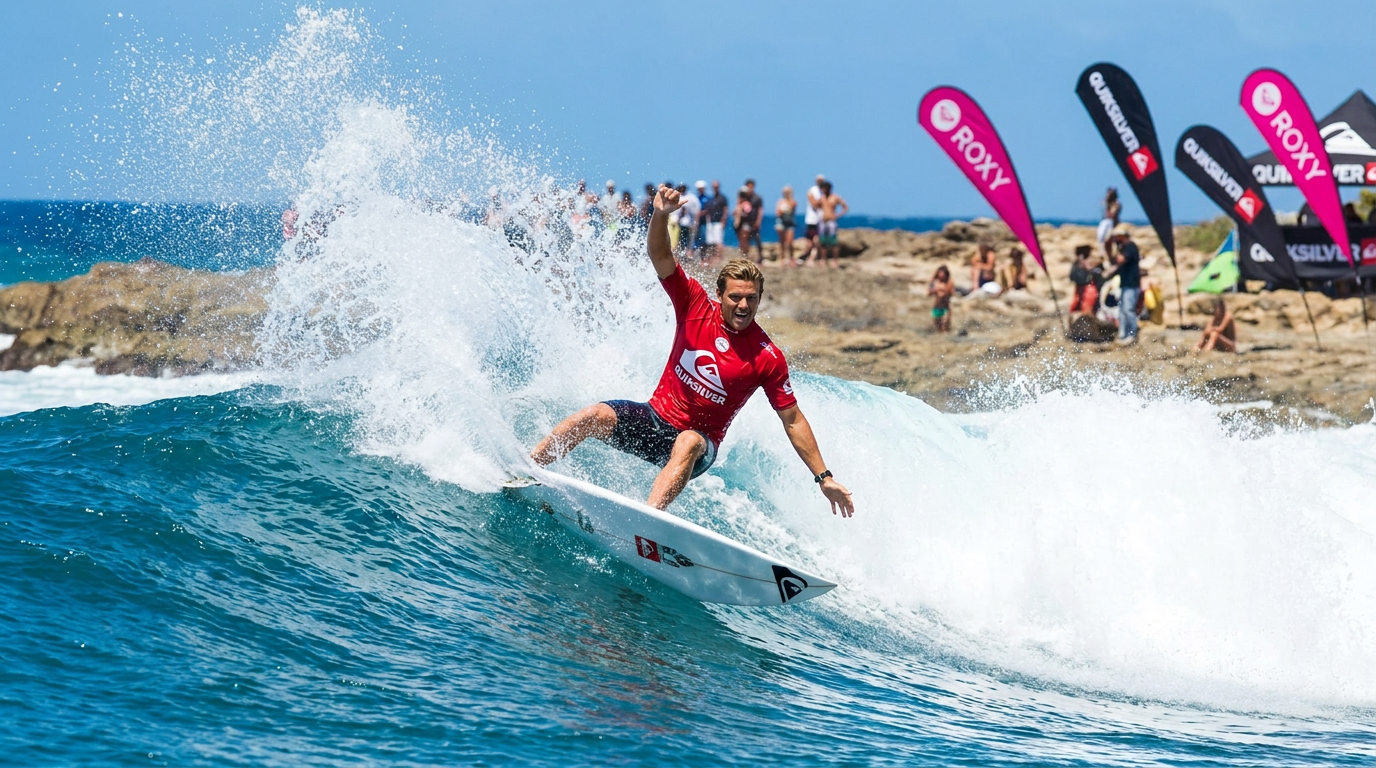
- Rehabilitating Athletes
- Focuses on the mental toll of stepping away from the ocean and the patience required to rebuild joints before returning to competition.
- Water Safety & Medical Teams
- Emphasizes the necessity of rapid-response jet-skis and on-site doctors at heavy water venues, arguing that immediate triage saves lives.
- League Administrators
- Focused on maintaining the structural integrity of the tour by having designated injury replacements ready to keep draws full.
What's not represented
- · Independent sports psychologists who help athletes overcome the trauma of severe wipeouts.
Why this matters
In a sport where the playing field is actively trying to crush the athlete, modern sports medicine and rapid-response safety protocols are extending careers and preventing tragedies. For fans and aspiring surfers, these comeback stories prove that a devastating wipeout is a detour, not a dead end.
Key points
- Jarvis Earle returned from a severe knee injury to make Finals Day at the Phillip Island Pro.
- Nadia Erostarbe is thriving as a 2026 CT Rookie after fully healing from lingering injuries.
- Annette Gonzalez Etxabarri was named the official 2026 WSL Women's Injury Replacement.
- Jaeger Stone was successfully rescued by water safety teams after a horrific wipeout at Cloudbreak.
- Philip Köster is prioritizing long-term strength over a rushed return from a Lisfranc foot injury.
The 2026 global surfing season has been defined as much by resilience as it has by progression. Across the World Surf League (WSL) Championship Tour and heavy-water international events, the physical toll of elite wave-riding is undeniable. Yet, the narrative this year is not one of career-ending tragedies, but of triumphant, meticulously planned returns.[6]
Advances in sports physiotherapy and rapid-response water safety have transformed how the sport handles trauma. Surfers who would have once been forced into early retirement are now returning stronger, utilizing extended rehabilitation periods to rebuild their bodies and their competitive mindsets before ever pulling a jersey back on.[6]
Nowhere is this resilience more evident than with Australian prodigy Jarvis Earle. The 2023 World Junior Champion suffered a devastating knee injury during a competition in Korea early in the season, abruptly halting his momentum and threatening his hard-earned place on the Challenger Series.[1]
Knee injuries are notoriously complex for surfers, requiring complete stability for high-impact landings, aerial rotations, and deep bottom turns. Earle committed to a grueling, months-long rehabilitation program, stepping away from the ocean to ensure his joint was fully reconstructed before testing it under the pressure of a heat.[1][6]

That patience paid off spectacularly at the Phillip Island Pro. Surfing in large, unruly four-to-six-foot conditions at Cape Woolamai, Earle surfed his way to his first Finals Day appearance in nearly a year, proving his knee could handle the unpredictable power of the Southern Ocean.[1]
"First Finals Day in probably almost a year since I hurt myself," Earle noted after his triumphant return. "I'm just frothing to be a part of it again... just stoked to be surfing again in the rashie." His successful comeback keeps his hopes of Challenger Series qualification firmly alive.[1]
On the elite Championship Tour, Spain's Nadia Erostarbe is proving that a fully healed body translates directly to elite results. In 2025, Erostarbe surfed multiple events as a WSL Injury Replacement, but she was battling her own lingering physical issues, preventing her from surfing at her absolute peak.[2]
On the elite Championship Tour, Spain's Nadia Erostarbe is proving that a fully healed body translates directly to elite results.
After taking the necessary time to fully recover, Erostarbe entered the 2026 season as an official CT Rookie with a completely revitalized physical and mental approach. "I'm one hundred percent a totally different competitor," she explained, noting that her body finally allows her to execute her aggressive rail game without hesitation.[2]
Her post-recovery form was on full display when she dropped an excellent 8.00-point ride to defeat 2023 World Champion Caroline Marks, signaling that she is no longer just filling a spot in the draw—she is a legitimate threat to the top tier of women's surfing.[2]

Recognizing the inevitability of tour injuries, the WSL has formalized its safety net for 2026. Basque surfer Annette Gonzalez Etxabarri has been named the official women's WSL Replacement surfer, standing ready to step into the Championship Tour draw whenever a full-time competitor requires medical leave, ensuring the competitive field remains full.[3]
While the CT manages its roster, heavy-water events continue to test the limits of human endurance and medical response. At the 2026 Fiji Surf Pro at Cloudbreak, Australian wave-rider Jaeger Stone suffered a horrific wipeout in massive, twenty-foot conditions.[4]
The incident highlighted the critical importance of modern water safety protocols. Within moments of the violent wipeout, a rapid-response jet-ski crew extracted Stone from the impact zone and transported him safely to the judging tower in the middle of the ocean.[4]

An on-site event doctor immediately diagnosed a suspected broken foot. Stone was stabilized and transferred via fast boat to a waiting ambulance on the mainland. The flawless execution of the medical evacuation prevented further trauma in one of the world's most dangerous reef passes.[4]
Meanwhile, five-time world champion Philip Köster is navigating the frustrating reality of a Lisfranc foot injury. Doctors initially missed the broken ligaments—a common issue with complex foot trauma. Köster is now prioritizing complete healing over a rushed return, focusing on weight loss and strength training to ensure that when he does return to the water, his body is ready for the immense pressure.[5]

Ultimately, the 2026 season is proving that while the ocean remains unforgiving, the infrastructure surrounding the athletes has never been stronger. From Earle's triumphant return to the flawless medical extraction at Cloudbreak, the sport is successfully protecting its most valuable assets and allowing them to write their own comeback stories.[1][4][6]
Viewpoints in depth
Rehabilitating Athletes
The mental and physical grind of returning to elite form.
For athletes like Jarvis Earle and Philip Köster, the hardest part of an injury is often the mental battle of staying out of the water. Surfers are inherently tied to the ocean, and stepping away to rebuild a knee or a foot requires immense discipline. These athletes emphasize that rushing a comeback often leads to chronic issues, whereas taking the time to fully reconstruct the joint—and even losing weight to reduce impact stress—ensures a longer, more successful career.
Water Safety & Medical Teams
The critical infrastructure that prevents ocean tragedies.
The rescue of Jaeger at Cloudbreak underscores a massive shift in professional wave-riding: the ocean is no longer a solitary battleground. Event organizers and medical professionals argue that rapid-response jet-skis, fast boats, and on-site doctors are non-negotiable at heavy-water venues. By extracting an athlete within seconds of a traumatic impact and providing immediate triage on the beach, these teams are the difference between a broken bone and a fatal drowning.
League Administrators
Maintaining tour integrity when the ocean takes its toll.
From a logistical standpoint, injuries threaten the structure of a broadcasted sports league. WSL administrators focus on maintaining a seamless product for fans and sponsors by utilizing a formalized Injury Replacement system. By designating surfers like Annette Gonzalez Etxabarri and Matthew McGillivray to step in at a moment's notice, the league ensures that heats remain competitive and the draw stays full, even when top stars are forced into the medical tent.
What we don't know
- Whether Philip Köster's Lisfranc injury will permanently alter his ability to land high-impact aerial maneuvers.
- How many events Annette Gonzalez Etxabarri will ultimately surf as the 2026 women's replacement.
Key terms
- Challenger Series (CS)
- The secondary tier of professional surfing where athletes compete to qualify for the elite Championship Tour.
- Lisfranc Injury
- A severe foot injury involving the bones or ligaments in the middle of the foot, notoriously difficult for board-sport athletes to recover from.
- Injury Replacement
- A surfer officially designated by the league to fill empty spots in the draw when full-time competitors are medically sidelined.
Frequently asked
What is a WSL Injury Replacement?
A designated surfer who steps into Championship Tour events when a full-time competitor withdraws due to medical reasons, ensuring the heat draw remains full.
What happened to Jarvis Earle?
The 2023 World Junior Champion suffered a severe knee injury in Korea but has successfully returned to competition in 2026, making Finals Day at the Phillip Island Pro.
How are surfers rescued at heavy waves like Cloudbreak?
Events employ rapid-response water safety crews on jet-skis and fast boats, alongside on-site medical doctors, to immediately extract and triage injured athletes.
Sources
Source coverage
6 outlets
3 viewpoints surfaced






[1]Surfing VictoriaRehabilitating Athletes
Phillip Island Pro QS 4000 Finals Day Locked In
Read on Surfing Victoria →[2]Surf News NetworkRehabilitating Athletes
Snapper Rocks Delivers for 2026 GWM Aussie Treble
Read on Surf News Network →[3]SwellnetLeague Administrators
The 2026 WSL Season Preview and Qualifiers
Read on Swellnet →[4]Sail-WorldWater Safety & Medical Teams
Fiji Surf Pro Day 2: Epic conditions and an injury scare
Read on Sail-World →[5]Severne SailsRehabilitating Athletes
Talking recovery with Philip Köster
Read on Severne Sails →[6]Apple PodcastsWater Safety & Medical Teams
Barrelled Surf Podcast: The 2026 WSL Season Preview
Read on Apple Podcasts →
More in sports
See all 32 stories →U20 Championship
South Africa U20s Open Junior World Championship Title Defense With 104-Point Rout Over Uruguay
6 sources

Injury
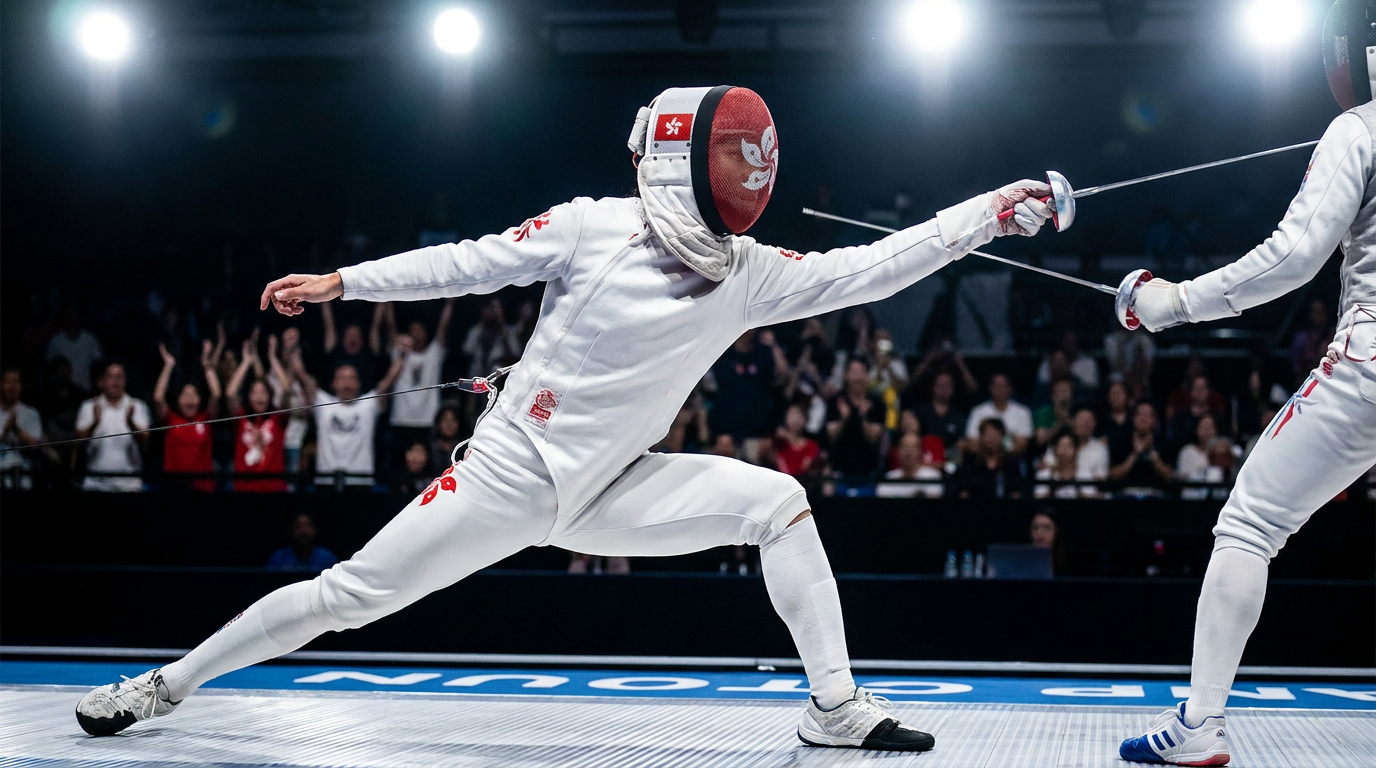
Hong Kong Foil Star Ryan Choi Faces Race to Recover from Hamstring Injury Ahead of Home World Championships
6 sources
Standings
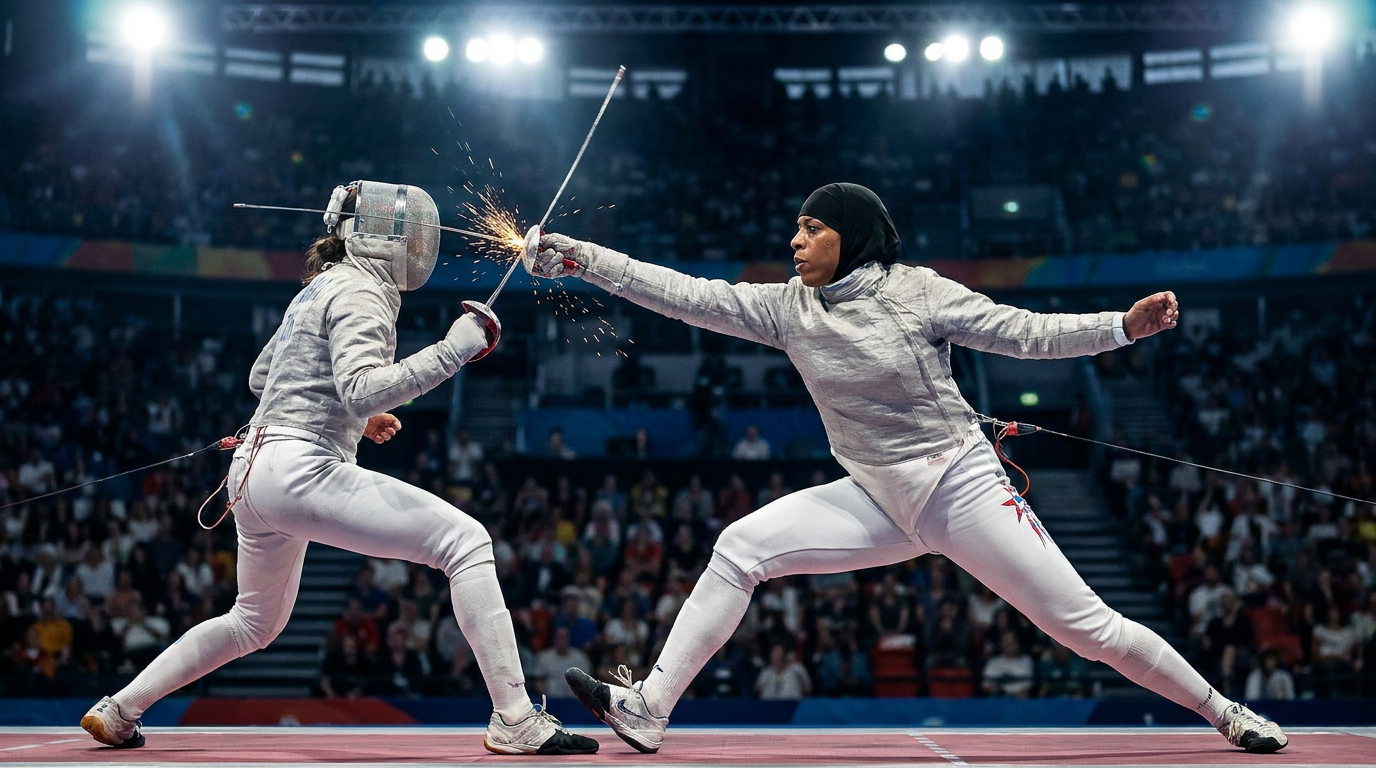
Historic Four-Way Tie Atop FIE Women's Sabre Standings Sets Up Unprecedented World Championship Race
9 sources
Injury
Australian Para Dressage Rider Mietta Innes-Irons Selected for 2026 World Championships Following Devastating Spinal Injuries
4 sources

Every angle. Every day.
Get sports stories with full source coverage and perspective breakdowns delivered to your inbox.