
The Mechanics of Fee Relief: How the CFPB's $8 Credit Card Late Fee Cap Works
A new regulatory rule caps credit card late fees at $8 for major issuers, closing a long-standing loophole and projected to save U.S. consumers $10 billion annually.
By Factlen Editorial Team
- Consumer Protection Advocates
- Focus on eliminating junk fees and protecting vulnerable borrowers from disproportionate penalties.
- Financial Institutions
- Emphasize the need for risk-based pricing and warn of unintended consequences like higher APRs.
- Economic Researchers
- Analyze the systemic trade-offs between fee caps and overall credit availability.
What's not represented
- · Small community banks and credit unions
- · Retailers offering co-branded store credit cards
Why this matters
For the 45 million Americans who incur credit card late fees each year, this rule immediately reduces the penalty from an average of $32 down to $8. It fundamentally shifts the economics of credit cards, potentially saving households billions while forcing banks to rethink how they price credit.
Key points
- The CFPB has capped credit card late fees at $8 for issuers with over one million accounts.
- The rule closes a 2010 loophole that allowed banks to charge up to $32 without proving actual costs.
- The change is projected to save American consumers roughly $10 billion annually.
- Major issuers hold 95% of all outstanding credit card balances, covering most consumers.
- Banks warn the lost revenue could lead to higher base interest rates or reduced rewards.
For over a decade, missing a credit card payment by a single day triggered an automatic financial penalty that averaged $32. For millions of households juggling multiple bills, this fee often compounded the very financial stress that caused the late payment in the first place. Now, the landscape of consumer credit has fundamentally shifted.[1][5]
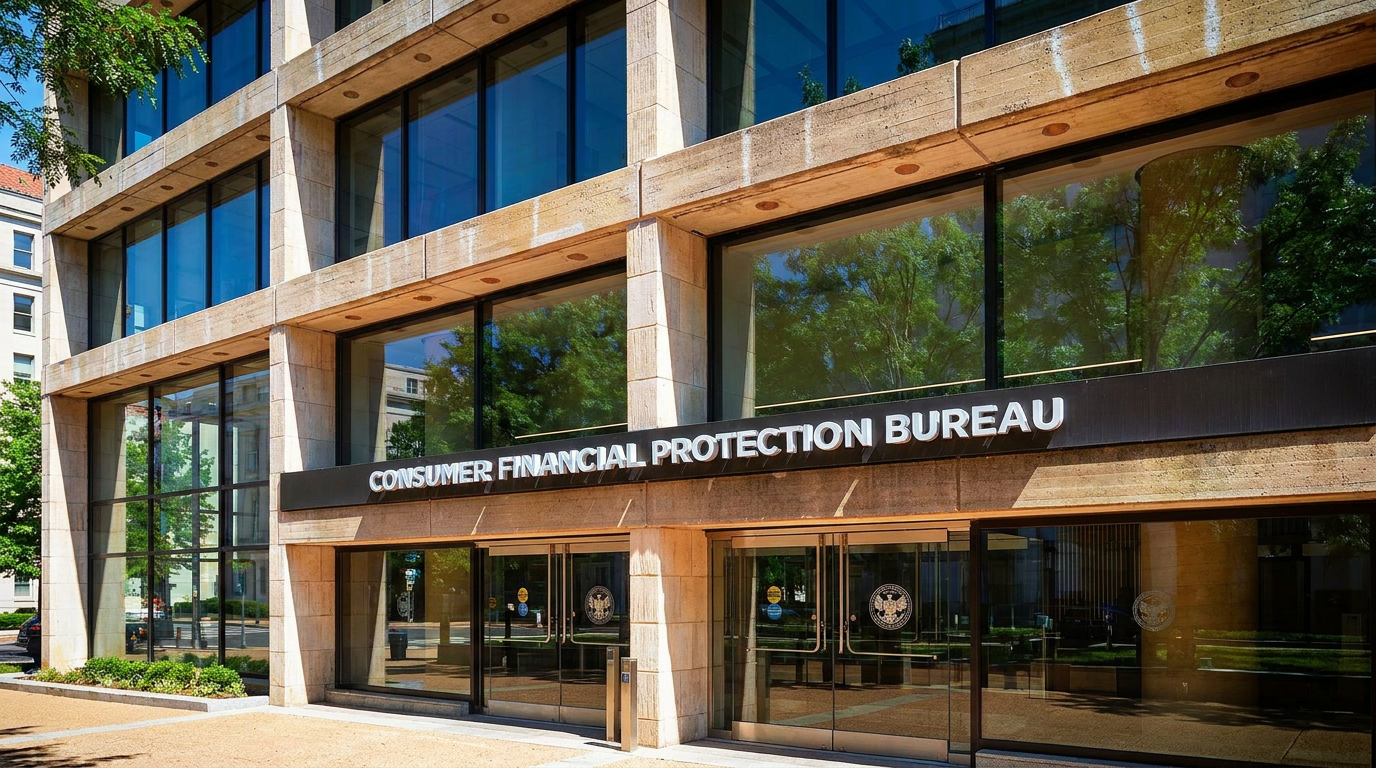
The Consumer Financial Protection Bureau (CFPB) has officially capped these late fees at $8 for the nation's largest card issuers. This regulatory intervention represents one of the most significant overhauls of consumer credit pricing in modern history, directly targeting what regulators have classified as exploitative 'junk fees.'[1][2]
The aggregate impact of this seemingly small adjustment is massive. The CFPB projects that the $8 cap will keep approximately $10 billion annually in the pockets of American consumers. For the 45 million people who are charged at least one late fee each year, the savings provide immediate, tangible relief to household budgets.[1][3]

To understand how we arrived at an $8 cap, it is necessary to look back at the Credit CARD Act of 2009. That landmark legislation originally aimed to rein in excessive penalties, explicitly requiring that any fees charged to consumers be 'reasonable and proportional' to the actual costs incurred by the bank.[4][5]
However, a subsequent regulatory safe harbor provision created a massive loophole. It allowed credit card issuers to automatically charge up to $25—a figure that was later adjusted for inflation to exceed $30—without ever having to mathematically prove their actual collection costs to regulators.[1][4]
The CFPB's recent, exhaustive data analysis dismantled the justification for that safe harbor. The agency revealed that the actual cost to a modern, highly automated bank for processing a late payment—primarily administrative and digital collection expenses—is closer to $8. The remaining $24 was pure profit margin.[1][5]
The new $8 cap applies specifically to the largest credit card issuers—those managing more than one million open accounts. While smaller community banks and credit unions are technically exempt from the mandate, the competitive pressure of the market is expected to influence their fee structures as well.[2][3]
The new $8 cap applies specifically to the largest credit card issuers—those managing more than one million open accounts.
Because these mega-issuers represent over 95% of total outstanding credit card balances in the United States, the vast majority of American consumers are covered by the new protection. The rule effectively standardizes the penalty across the dominant players in the financial sector.[1][2]

Research from the Brookings Institution highlights why this intervention was prioritized: late fees function as a highly regressive tax. They do not impact all consumers equally, but rather extract wealth primarily from those already operating on the financial margins.[4]
Households with lower credit scores and lower incomes pay a vastly disproportionate share of total late fees. In the previous system, these penalty revenues effectively subsidized the lucrative cash-back and travel rewards programs enjoyed by wealthier, on-time payers.[4][5]
The financial industry has strongly opposed the cap. Banking trade groups argue that late fees serve a crucial behavioral purpose, acting as a necessary deterrent to keep consumers from missing payments and falling into deeper debt.[2][3]
Furthermore, issuers warn that stripping $10 billion in revenue from the credit ecosystem will force them to adapt. They caution that to maintain profitability, banks will have to raise Annual Percentage Rates (APRs), reduce rewards programs, or tighten credit standards for subprime borrowers.[2][3]
Economists refer to this dynamic as the 'waterbed effect'—if regulators push down on fees in one area, costs inevitably pop up elsewhere in the system. The debate now centers on whether the benefits of the fee cap outweigh these potential secondary costs.[4][5]

However, consumer advocates and the CFPB note historical precedent. When the CARD Act initially restricted various fees in 2009, the industry issued similar warnings about the collapse of credit availability, but the feared massive reduction in consumer access never materialized.[1][5]
How we got here
2009
Congress passes the Credit CARD Act, requiring penalty fees to be 'reasonable and proportional'.
2010
The Federal Reserve Board creates a 'safe harbor' allowing automatic fees up to $25 (later adjusted for inflation to $30+).
March 2024
The CFPB finalizes the rule capping late fees at $8 for major issuers.
2026
The $8 cap is fully integrated into the billing practices of the nation's largest financial institutions.
Viewpoints in depth
Consumer Advocates
View the cap as a necessary correction to exploitative junk fees.
Consumer advocacy groups and the CFPB argue that the previous $32 average late fee was wildly disproportionate to the actual administrative cost of a missed payment. They view these fees as a regressive penalty that disproportionately extracts wealth from lower-income households to subsidize the premium rewards programs enjoyed by wealthier, on-time payers.
Banking Industry & Issuers
Argue the cap will increase the overall cost of credit for everyone.
Financial institutions maintain that late fees are a necessary deterrent against delinquency. They argue that stripping $10 billion in revenue from the system will trigger the 'waterbed effect,' forcing banks to raise base interest rates, reduce cash-back rewards, and tighten lending standards, ultimately harming the very subprime borrowers the rule intends to protect.
What we don't know
- Whether banks will successfully offset the lost fee revenue by raising Annual Percentage Rates (APRs) across the board.
- If the lower penalty will actually lead to a statistically significant increase in late payments over time.
- How the rule might impact the availability of credit for subprime borrowers.
Key terms
- Safe Harbor Provision
- A regulatory loophole that previously allowed credit card companies to charge up to a certain amount in late fees without having to justify the cost.
- Waterbed Effect
- An economic theory suggesting that when regulators push down prices or fees in one area, companies will raise prices in another area to compensate.
- Subprime Borrower
- An individual with a lower credit score who is considered a higher risk for lenders, often facing stricter lending terms.
Frequently asked
Does this $8 cap apply to all credit cards?
It applies to the largest issuers—those with more than one million open accounts. However, these issuers represent about 95% of the total market.
Will my credit score still drop if I pay late?
Yes. While the financial penalty is capped at $8, payments that are more than 30 days late will still be reported to credit bureaus and damage your credit score.
Can banks still charge more than $8?
Only if they can mathematically prove to regulators that their actual administrative cost of collecting the late payment exceeds $8, which the CFPB notes is rare.
Sources
Source coverage
5 outlets
3 viewpoints surfaced





[1]Consumer Financial Protection BureauConsumer Protection Advocates
Credit Card Penalty Fees (Regulation Z)
Read on Consumer Financial Protection Bureau →[2]ReutersFinancial Institutions
US consumer watchdog finalizes rule to slash credit card late fees
Read on Reuters →[3]CNBCFinancial Institutions
What the CFPB's $8 credit card late fee cap means for your wallet
Read on CNBC →[4]Brookings InstitutionEconomic Researchers
The Economics of Credit Card Penalty Fees and Consumer Welfare
Read on Brookings Institution →[5]Factlen Editorial TeamConsumer Protection Advocates
Synthesis by Factlen editorial team
Read on Factlen Editorial Team →

Every angle. Every day.
Get finance stories with full source coverage and perspective breakdowns delivered to your inbox.