
The Ultimate 2026 E-Bike Buying Guide: Motors, Batteries, and Safety Explained
As electric bicycles become viable car replacements, understanding motor types, sensor technology, and strict UL safety certifications is essential for finding the right ride.
By Factlen Editorial Team
- Safety & Regulatory Advocates
- Prioritizing strict testing and certification to prevent battery fires.
- Performance & Enthusiast Riders
- Focusing on ride quality, torque, and premium components.
- Budget & Utility Commuters
- Seeking affordable, practical alternatives to car ownership.
What's not represented
- · Urban Planners designing e-bike infrastructure
- · Traditional acoustic bicycle purists
Why this matters
An e-bike is a major investment that can replace a car and transform your daily commute, but the market is flooded with confusing specs and uncertified batteries that pose severe fire risks. Understanding the underlying technology ensures you buy a safe, serviceable, and capable machine.
Key points
- UL 2849 and UL 2271 certifications are now essential to ensure battery and electrical safety.
- Mid-drive motors offer superior hill-climbing ability by leveraging the bike's gears, while hub motors are cheaper and best for flat terrain.
- Torque sensors provide a natural, intuitive riding feel compared to the abrupt power delivery of basic cadence sensors.
- Many local bike shops refuse to service direct-to-consumer online brands due to liability and parts availability.
- Battery capacity should be evaluated in watt-hours (Wh) to accurately gauge real-world range.
By 2026, the electric bicycle has evolved from a niche novelty into a primary mode of transportation. For millions of riders, e-bikes are no longer just recreational toys; they are viable car replacements that shrink commute times, eliminate parking fees, and make cycling accessible to those who live in hilly terrain or face physical limitations.[7]
However, the booming micro-mobility market has created a paradox of choice. Consumers are faced with a dizzying array of specifications, from watt-hours and torque ratings to motor placements and sensor types. Making the wrong choice can result in a heavy, unrideable machine or, worse, a severe safety hazard.[6][7]
The most critical shift in the 2026 e-bike landscape is the uncompromising focus on battery and electrical safety. In previous years, the market was flooded with cheap, uncertified lithium-ion batteries that posed significant fire risks. Today, safety standards are the non-negotiable starting point for any purchase.[2][7]
The gold standard for e-bike safety is UL 2849. This certification evaluates the entire electrical system—including the motor, controller, wiring, and charger—as an integrated unit to prevent electrical shocks, short circuits, and fire risks. It ensures that the system is properly insulated and protected against overvoltage conditions.[1][4]

Alongside the system-level certification, buyers must look for UL 2271, which specifically governs the lithium-ion battery pack. This standard tests the battery's resistance to overcharging, extreme temperatures, impact, and crushing. Many apartment buildings and municipalities now legally require these certifications before an e-bike can be stored indoors.[5]
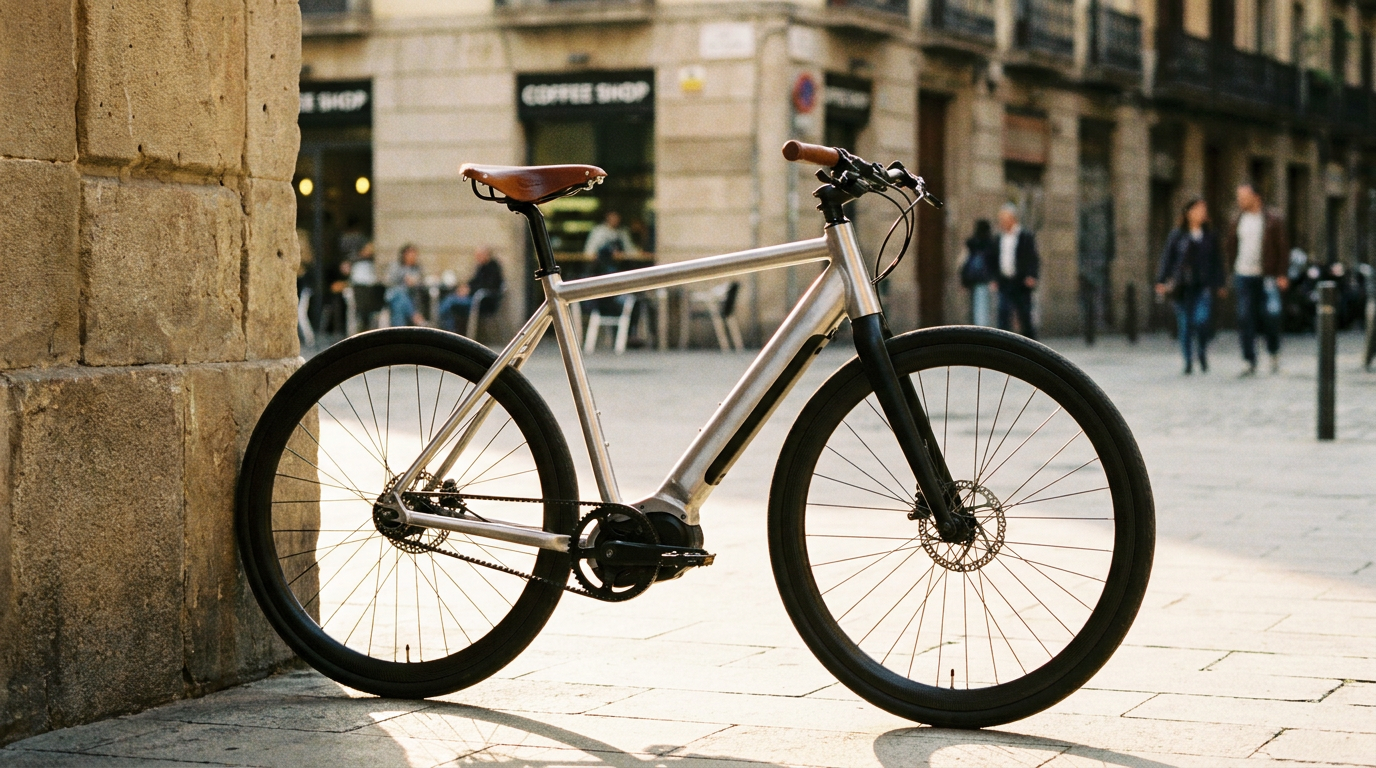
Once safety is verified, the next major decision is the motor type. E-bikes generally use either a hub motor or a mid-drive motor, and the choice drastically alters the bike's performance, maintenance, and price.[3][6]
Hub motors are located in the center of the rear or front wheel. They are cost-effective to manufacture and provide a sensation of being pushed along, much like a scooter. While excellent for flat terrain and casual commuting, hub motors cannot leverage the bike's gears, making them less efficient on steep inclines.[3][6]
Mid-drive motors, positioned at the bike's pedals, represent the premium tier of e-bike propulsion. Because they connect directly to the drivetrain, mid-drive motors use the bike's mechanical gears to climb hills effortlessly without overheating. They are essential for heavy riders, cargo bikes, and mountainous terrain, though they command a significantly higher price.[3][6]

Mid-drive motors, positioned at the bike's pedals, represent the premium tier of e-bike propulsion.
The way a motor delivers its power is dictated by its sensors. This often-overlooked component is the difference between a jerky, unpredictable ride and a smooth, natural cycling experience.[6]
Entry-level e-bikes typically rely on cadence sensors, which simply detect whether the pedals are turning. When the sensor registers movement, the motor kicks in with a fixed amount of power. This can feel like an abrupt "on/off" switch, which some riders find jarring in tight traffic or technical turns.[6]
Higher-end models utilize torque sensors, which measure exactly how hard the rider is pedaling and deliver proportional assistance. If you pedal lightly, the motor provides a gentle nudge; if you stomp on the pedals to climb a hill, the motor unleashes full power. This creates a "bionic legs" sensation that feels incredibly intuitive and safe.[6]
When evaluating range, buyers should ignore vague marketing promises and look directly at the battery's watt-hours (Wh). Calculated by multiplying volts by amp-hours, watt-hours represent the actual "size of the gas tank." A higher watt-hour rating guarantees a longer range, though factors like rider weight, terrain, and motor efficiency will always impact the final mileage.[3]
Legal classifications also dictate where and how an e-bike can be ridden. In the United States, Class 1 e-bikes provide motor assistance only when the rider is pedaling, and the motor cuts off at 20 miles per hour. These are widely accepted on traditional bike paths and multi-use trails.[2]
Class 2 e-bikes feature a throttle, allowing the bike to move without any pedaling, but are also capped at 20 miles per hour. Class 3 e-bikes lack a throttle but provide pedal assistance up to 28 miles per hour, making them ideal for high-speed road commuting, though they are often restricted from pedestrian paths.[2]

A major pitfall for first-time buyers is the "direct-to-consumer trap." While buying an unknown brand online might save hundreds of dollars upfront, it often leads to long-term frustration when the bike inevitably needs maintenance.[6]
Many local bike shops flatly refuse to service cheap, online-only e-bikes. This is due to liability concerns surrounding uncertified batteries, as well as the impossibility of sourcing proprietary replacement parts for the motor or controller. Purchasing from a reputable brand with a local dealer network ensures the bike can actually be repaired.[6]

Because e-bikes are significantly heavier and faster than traditional bicycles, stopping power is paramount. Buyers should insist on hydraulic disc brakes, which offer superior modulation and stopping force with minimal hand effort, especially in wet conditions. Mechanical brakes often struggle to safely halt a 65-pound e-bike traveling at 20 miles per hour.[6]
Ultimately, setting a realistic budget requires matching the machine to the mission. While entry-level models under $1,500 can serve casual, flat-ground riders, daily commuters should expect to invest between $2,000 and $3,500 for reliable electronics, hydraulic brakes, and local shop support.[6]
Choosing the right e-bike is an investment in a new lifestyle. By prioritizing UL-certified safety, understanding the mechanics of motors and sensors, and ensuring local serviceability, riders can cut through the marketing noise and find a vehicle that will reliably transform their daily transit for years to come.[7]
How we got here
2020
UL 2849 is introduced as the first comprehensive safety standard for e-bike electrical systems.
2022
The U.S. Consumer Product Safety Commission calls for mandatory compliance with UL safety standards following a rise in battery fires.
2023
New York City passes legislation requiring all e-bikes sold or leased in the city to be certified to UL 2849 and UL 2271.
2026
Torque sensors and mid-drive motors become increasingly standard as the micro-mobility market matures.
Viewpoints in depth
Safety & Regulatory Advocates
Prioritizing strict testing and certification to prevent battery fires.
This camp, which includes organizations like UL Solutions and local fire departments, argues that the rapid proliferation of cheap, uncertified lithium-ion batteries poses an unacceptable public safety risk. They push for mandatory compliance with standards like UL 2849 and UL 2271, noting that the entire electrical system must be evaluated as a single unit to prevent thermal runaway and electrical shocks.
Performance & Enthusiast Riders
Focusing on ride quality, torque, and premium components.
For serious cyclists and mountain bikers, the e-bike experience is about seamless integration. They advocate for mid-drive motors and torque sensors, which amplify the rider's natural effort rather than simply propelling the bike like a scooter. This group views higher upfront costs as a necessary investment for hydraulic brakes, reliable drivetrains, and local shop support.
Budget & Utility Commuters
Seeking affordable, practical alternatives to car ownership.
This perspective emphasizes accessibility and cost savings. For riders looking to replace short car trips or commute without sweating, entry-level hub-motor e-bikes offer a life-changing utility. While they acknowledge safety standards are important, they warn that over-regulation or elitism in the cycling community could price out lower-income riders who rely on affordable e-bikes for daily transportation.
What we don't know
- How upcoming federal regulations might standardize e-bike classifications across all 50 states.
- Whether solid-state battery technology will soon replace lithium-ion cells in consumer e-bikes, potentially eliminating fire risks entirely.
- How the right-to-repair movement will ultimately affect proprietary e-bike motor systems and local shop serviceability.
Key terms
- Watt-hours (Wh)
- A measure of battery capacity that determines an e-bike's range, calculated by multiplying volts by amp-hours.
- Torque Sensor
- A device that measures how hard you are pedaling and delivers proportional motor assistance, creating a smooth, natural ride.
- Cadence Sensor
- A basic sensor that detects if the pedals are turning and delivers a fixed amount of power, often feeling like an abrupt on/off switch.
- UL 2849
- A comprehensive safety standard that evaluates an e-bike's entire electrical system, including the motor, battery, and charger, to prevent fire and electrical hazards.
Frequently asked
What is the difference between a hub motor and a mid-drive motor?
A hub motor sits inside the wheel and pushes the bike directly, which is cost-effective but less efficient on steep hills. A mid-drive motor sits at the pedals and leverages the bike's gears, providing superior climbing power and a more natural riding feel.
Why do I need a UL certified e-bike?
UL certifications (like UL 2849 and UL 2271) ensure the battery and electrical systems have been rigorously tested against fire and electrocution risks. Many cities and apartment buildings now legally require these certifications.
Will a local bike shop fix an e-bike I bought online?
Many local shops refuse to service direct-to-consumer e-bikes due to liability concerns, lack of proprietary replacement parts, and the fire risks of uncertified batteries. It is highly recommended to verify local serviceability before purchasing.
Sources
Source coverage
7 outlets
3 viewpoints surfaced







[1]UL SolutionsSafety & Regulatory Advocates
E-Bikes Certification: Evaluating and Testing To UL 2849
Read on UL Solutions →[2]Bicycle ColoradoPerformance & Enthusiast Riders
E-Bike Buying Guide
Read on Bicycle Colorado →[3]VelotricPerformance & Enthusiast Riders
Factors to consider before buying an e-bike
Read on Velotric →[4]IntertekSafety & Regulatory Advocates
Understanding UL 2849 Certification for eBikes
Read on Intertek →[5]Ebike EscapeSafety & Regulatory Advocates
Understanding the Key UL Standards: UL 2849 vs. UL 2271
Read on Ebike Escape →[6]Reddit r/ebikesBudget & Utility Commuters
[GUIDE] How to Choose an eBike in 2026 - The Complete Buyer's Guide
Read on Reddit r/ebikes →[7]Factlen Editorial TeamBudget & Utility Commuters
Synthesis by Factlen editorial team
Read on Factlen Editorial Team →
Every angle. Every day.
Get shopping stories with full source coverage and perspective breakdowns delivered to your inbox.