
The Rise of 'Exercise Mimetics': How New Longevity Drugs Aim to Replicate the Benefits of a Workout
A new class of drugs known as 'exercise mimetics' is moving into human clinical trials, promising to activate the same metabolic pathways as physical endurance training. While early data is promising for treating obesity and metabolic decline, the long-term effects of artificially inducing an exercised state remain unknown.
By Factlen Editorial Team

- Longevity & Metabolic Researchers
- Advocates for using mimetics to restore declining cellular energy pathways and extend healthspan.
- Clinical Physiologists
- Experts mapping the precise molecular mechanisms of exercise and its systemic effects.
- Evidence Synthesis
- Independent evaluation of the clinical viability and limitations of metabolic mimetics.
What's not represented
- · Physical Therapists
- · Patients with Mobility Impairments
Why this matters
For aging populations and individuals with mobility constraints, an exercise mimetic could prevent severe muscle loss, improve cardiovascular health, and offset the side effects of modern weight-loss drugs. If successful, these compounds could decouple metabolic health from physical frailty, extending human healthspan.
Key points
- Exercise mimetics are experimental drugs designed to replicate the metabolic benefits of physical exertion.
- Cambrian Biopharma recently presented positive Phase 1b data for ATX-304, an AMPK activator.
- Preclinical models show these compounds can increase endurance and reduce fat mass without prior training.
- Clinicians hope to pair mimetics with GLP-1 weight-loss drugs to prevent severe muscle loss.
- These drugs cannot replicate the mechanical strain required for bone density or cardiovascular structural changes.
The concept of 'exercise in a pill' has long been dismissed as science fiction, a holy grail of metabolic medicine that seemed biologically impossible to safely replicate. For decades, pharmacological attempts to mimic physical exertion fell short, often relying on dangerous central nervous system stimulants rather than true metabolic shifts. Yet, the landscape of longevity research is shifting rapidly. This week, the clinical-stage biotechnology firm Cambrian Biopharma announced promising Phase 1b data for an experimental drug designed to do exactly that: safely mimic the profound cellular effects of a strenuous workout without requiring the patient to move a muscle.[1]
The drug, known as ATX-304, belongs to an emerging class of therapeutics called 'exercise mimetics.' Rather than artificially elevating heart rate or flooding the body with adrenaline, these compounds target the foundational metabolic pathways normally activated by endurance training. The recent clinical progress suggests that researchers may finally be able to pharmacologically restore metabolic pathways that naturally decline with age, offering a lifeline to those who can no longer sustain rigorous physical activity. By acting directly on the cellular machinery, these drugs bypass the need for mechanical strain, initiating the same downstream signaling cascades triggered by aerobic exertion.[2]
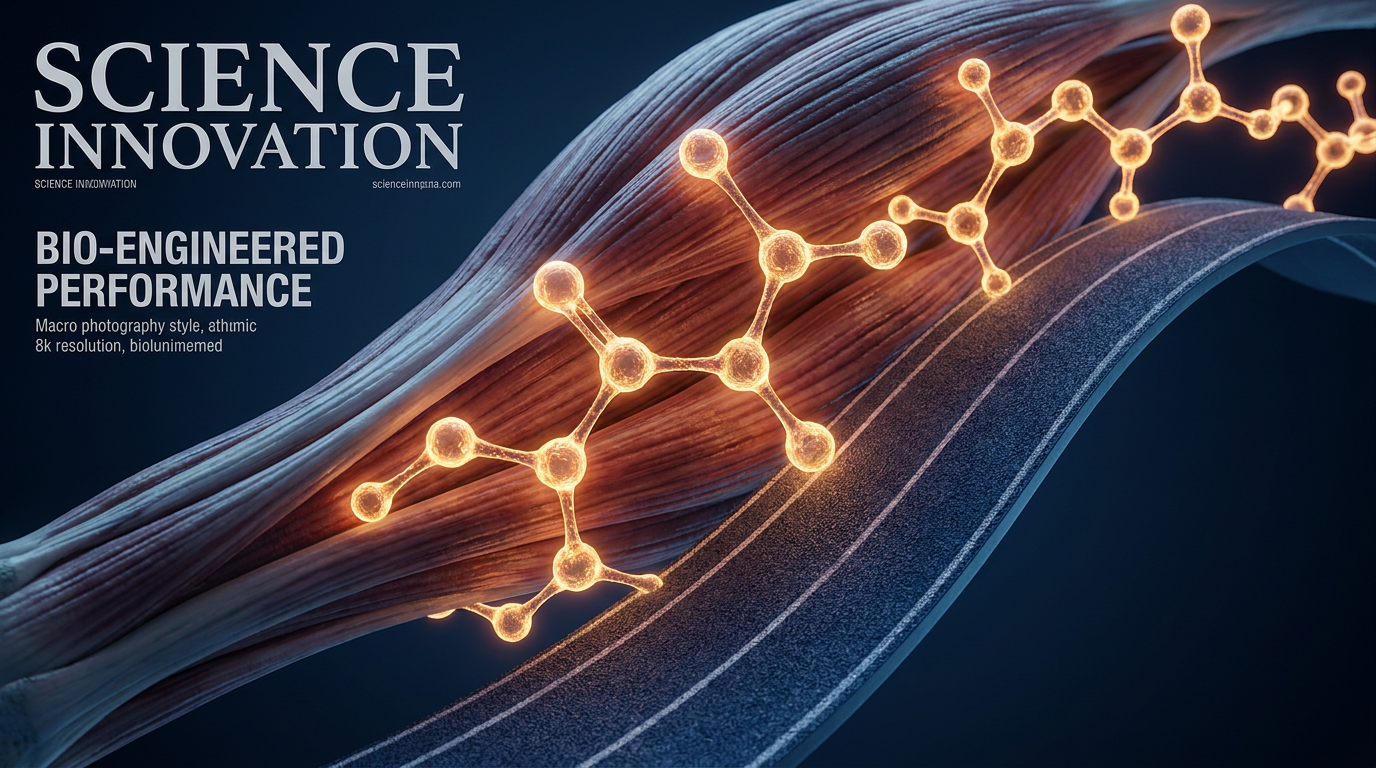
To understand how an exercise mimetic works, one must look closely at the cellular machinery that responds to physical exertion. The primary target for ATX-304 is AMP-activated protein kinase (AMPK), an enzyme widely considered the body's master energy sensor. When a person engages in strenuous exercise, fasts, or experiences reduced oxygen supply, cellular energy levels drop. This energy deficit triggers AMPK to switch the body from storing fat to burning it, upregulating oxidative phosphorylation and increasing mitochondrial density in skeletal tissue.[3]
'AMPK is one of the most sought-after drug targets in aging research,' notes James Peyer, CEO of Cambrian Biopharma, which acquired the ATX-304 program for $26 million to develop through its subsidiary, Amplifier Therapeutics. When activated, AMPK forces skeletal muscle to prioritize fatty acid oxidation over glucose metabolism, effectively tricking the body into a state of sustained endurance training. The drug essentially signals to the cells that the body is running a marathon, prompting them to adapt and become more metabolically efficient even while the patient remains completely at rest.[3]

The clinical need for such an intervention is profound and growing. As humans age, the innate ability to activate AMPK gradually diminishes, taking with it the metabolic flexibility that helps keep the body healthy. This slow decline explains why recovery after physical exertion takes longer in older adults, why muscle mass becomes harder to maintain, and why extra weight becomes stubbornly resistant to traditional diet and exercise. By restoring this critical pathway, researchers hope to decouple metabolic health from physical frailty, allowing older adults to maintain their cellular energy capacity.[2][3]
While ATX-304 focuses on AMPK, other research teams are targeting different nodes of the complex exercise response network. At Washington University in St. Louis, scientists have spent years developing SLU-PP-332, a synthetic small molecule that acts as a pan-agonist for estrogen-related receptors (ERRs). Unlike classical estrogen receptors, ERRs do not respond to hormones; instead, they regulate mitochondrial biogenesis and oxidative phosphorylation—the exact physiological adaptations driven by long-term aerobic exercise. SLU-PP-332 binds to these receptors and directly influences gene expression related to cellular respiration.[4]
The preclinical evidence for SLU-PP-332 is highly compelling. In studies published in the Journal of Pharmacology and Experimental Therapeutics, mice administered the compound exhibited increased energy expenditure and fatty acid oxidation without any changes to their baseline physical activity levels. The treated mice naturally developed fatigue-resistant, slow-twitch muscle fibers, effectively gaining the physiological benefits of marathon training while remaining completely sedentary in their enclosures. This structural shift in muscle composition is a hallmark of true exercise adaptation, proving the drug does more than just burn calories.[4]
Furthermore, when SLU-PP-332 was administered to diet-induced obese mice, it effectively reduced fat mass accumulation and improved systemic insulin sensitivity. The compound forced the skeletal muscle to upregulate oxidative gene programs, demonstrating that the metabolic syndrome associated with severe obesity could be counteracted at the receptor level. For severely obese patients trapped in the cycle of weight gain, reduced mobility, and worsening metabolic disease, an ERR agonist could become the intervention that makes traditional lifestyle changes physically possible again.[4]

Furthermore, when SLU-PP-332 was administered to diet-induced obese mice, it effectively reduced fat mass accumulation and improved systemic insulin sensitivity.
Beyond synthetic molecules, researchers are also investigating naturally occurring peptides that mediate the body's exercise response. The most prominent of these is MOTS-c, a 16-amino-acid peptide encoded directly within mitochondrial DNA rather than the cell's nucleus. First characterized in 2015, MOTS-c functions as a molecular SOS signal, released from skeletal muscle mitochondria under conditions of intense metabolic demand. Because it originates in the mitochondria, it acts as a direct readout of the cell's energy state, responding to stress before the nucleus is even aware of a deficit.[5]
Human studies have shown that skeletal muscle MOTS-c concentrations can spike up to 11.9-fold following a single acute bout of aerobic exercise. Once released, the peptide circulates systemically, activating AMPK and improving glucose uptake in muscle tissue independent of insulin. This peripheral action distinguishes it from centrally acting appetite suppressants; MOTS-c does not tell the brain to stop eating, but rather tells the muscles to start burning fuel. This targeted action makes it a fascinating candidate for treating insulin resistance without altering neurological reward pathways.[5][6]
In landmark animal models, MOTS-c treatment profoundly enhanced physical capacity across multiple age groups. Elderly mice treated with the peptide demonstrated a two-fold increase in treadmill running endurance compared to their untreated counterparts, effectively rejuvenating their aging muscle phenotypes. While human efficacy trials are still required to confirm these effects, the biological plausibility of MOTS-c as a metabolic reset tool has captured the attention of longevity clinics nationwide, where it is increasingly viewed as a potential therapy for age-related metabolic decline.[5][6]
The sudden acceleration in exercise mimetic research is not occurring in a vacuum; it is colliding directly with the explosion of GLP-1 receptor agonists like semaglutide. While GLP-1 drugs are highly effective at inducing rapid weight loss through appetite suppression, they frequently cause a significant loss of lean muscle mass—a condition known as sarcopenia. Because these drugs induce a catabolic state via severe caloric deficit, muscle tissue is inevitably degraded alongside fat, leaving some patients thinner but physically weaker.[6]

This is exactly where exercise mimetics are being positioned as a critical companion therapy. By co-administering an AMPK or ERR agonist alongside a GLP-1 drug, clinicians hypothesize that patients could preserve their skeletal muscle function and resting metabolic rate while losing weight. The mimetic would provide the 'exercise signal' to the muscles, instructing the body to preserve lean tissue and prioritize fat oxidation, thereby mitigating the long-term risks of frailty and preventing the metabolic rebound often seen when appetite suppressants are discontinued.[6]
Despite the immense promise of these compounds, the translation from preclinical rodent models to human therapeutics remains fraught with scientific uncertainty. The exercise mimetic hypothesis has a credible mechanistic basis, but experts caution that manipulating metabolism in short-lived species often yields vastly different results than in humans. The systemic complexity of the human body cannot be entirely reduced to a single receptor pathway, and long-term human data on sustained AMPK or ERR activation simply does not exist yet.[6]
Furthermore, researchers are quick to emphasize that an exercise mimetic is not a true replacement for physical activity. While a pill may replicate the metabolic shifts of a workout, it cannot replicate the mechanical strain required to maintain bone mineral density—a physiological principle known as Wolff's Law. Nor can a metabolic switch replicate the cardiovascular structural changes, the lymphatic drainage, or the profound neuroplasticity driven by exercise-induced endorphins and brain-derived neurotrophic factor (BDNF).[6]
Regulatory hurdles also loom large over the longevity sector. The U.S. Food and Drug Administration does not recognize 'aging' or 'sedentary lifestyle' as treatable medical indications. Consequently, companies like Cambrian Biopharma must first prove their compounds are safe and effective for specific, recognized diseases—such as obesity, cardiometabolic disease, or acute kidney injury—before they can ever be prescribed broadly as preventative longevity medicines. This regulatory reality forces longevity drugs to take a circuitous route to market.[1]

If these clinical and regulatory hurdles can be cleared, the societal impact of exercise mimetics could be transformative. For patients suffering from severe osteoarthritis, recovering from major surgery, or dealing with paralyzing metabolic syndrome, an exercise mimetic could serve as the initial intervention that makes traditional lifestyle changes physically possible again. It offers a pharmacological bridge back to physical capability, breaking the vicious cycle of immobility and metabolic decay. By restoring a baseline level of cellular energy and muscle integrity, these drugs could give patients the strength required to begin actual physical therapy and rehabilitation.[6]
Ultimately, the goal of this research is not to give healthy individuals a convenient excuse to skip the gym. Rather, it is to provide a vital metabolic baseline for aging populations, the bedridden, and those whose bodies no longer respond efficiently to physical exertion. As compounds like ATX-304 and SLU-PP-332 advance through clinical trials, the prospect of prescribing the molecular essence of exercise is moving steadily from the realm of science fiction toward clinical reality, promising a new era of preventative metabolic medicine.[6]
How we got here
2015
Researchers at USC publish landmark findings in Cell Metabolism identifying the mitochondrial peptide MOTS-c as an exercise-responsive metabolic regulator.
March 2023
Cambrian BioPharma launches Amplifier Therapeutics to develop ATX-304, a pan-AMPK activator acquired for $26 million.
September 2023
Preclinical data published in the Journal of Pharmacology and Experimental Therapeutics demonstrates SLU-PP-332's ability to increase endurance and reduce fat in obese mice.
June 2026
Cambrian BioPharma presents positive Phase 1b clinical trial data for ATX-304, signaling progress toward human efficacy.
Viewpoints in depth
Longevity & Metabolic Researchers
Advocates for using mimetics to restore declining cellular energy pathways.
This camp views the gradual decline of AMPK and mitochondrial efficiency as a primary driver of aging. By pharmacologically restoring these pathways, they argue we can decouple metabolic health from physical frailty. For these researchers, the goal is not to replace the gym for healthy individuals, but to provide a 'metabolic baseline' for those whose bodies no longer respond efficiently to exercise, ultimately extending human healthspan.
Clinical Physiologists
Experts emphasizing the irreplaceable systemic benefits of mechanical strain.
Physiologists caution against the phrase 'exercise in a pill.' They point out that physical exertion is a systemic stressor that triggers adaptations far beyond cellular metabolism. Mechanical load is required to maintain bone mineral density (Wolff's Law), while the cardiovascular system requires actual hemodynamic pumping to maintain arterial elasticity. Furthermore, the neuroplasticity and mental health benefits driven by exercise-induced endorphins and BDNF cannot be replicated by an AMPK activator.
Obesity & GLP-1 Specialists
Clinicians looking to pair mimetics with modern weight-loss drugs.
With the explosion of GLP-1 agonists like semaglutide, a new clinical crisis has emerged: rapid loss of lean muscle mass alongside fat. This camp views exercise mimetics as the missing puzzle piece. By co-administering an AMPK or ERR agonist, they hypothesize that patients in a severe caloric deficit could preserve their skeletal muscle and resting metabolic rate, preventing the 'rebound' weight gain often seen when appetite suppressants are discontinued.
What we don't know
- Whether the profound endurance and metabolic benefits observed in short-lived rodents will translate meaningfully to human biology.
- The long-term safety profile of keeping the body's metabolic pathways in a sustained 'exercised' state without actual physical exertion.
- How the FDA will ultimately regulate these compounds, given that 'aging' and 'sedentary lifestyle' are not recognized as treatable diseases.
Key terms
- AMPK (AMP-activated protein kinase)
- An enzyme that serves as the cell's master energy sensor, triggering fat-burning and energy production when cellular fuel is low.
- Sarcopenia
- The progressive, age-related loss of skeletal muscle mass and function.
- ERR (Estrogen-related receptor)
- A type of protein that regulates how cells produce and use energy, playing a major role in mitochondrial function and muscle health.
- Mitochondrial Biogenesis
- The process by which cells increase their individual mitochondrial mass and copy number, improving overall cellular energy capacity.
- MOTS-c
- A naturally occurring peptide encoded in mitochondrial DNA that acts as a metabolic signaling molecule during exercise.
Frequently asked
What is an exercise mimetic?
An exercise mimetic is a therapeutic compound designed to replicate the metabolic and physiological benefits of physical activity—such as fat oxidation and mitochondrial growth—without requiring actual physical exertion.
Can these drugs replace a normal workout?
No. While they activate the same metabolic pathways, they cannot replicate the mechanical strain needed for bone density, nor the cardiovascular pumping required for arterial health.
Are exercise mimetics currently available to the public?
No. Compounds like ATX-304 and SLU-PP-332 are strictly in the clinical or preclinical research phases and are not FDA-approved for human use.
Why are they being studied alongside weight-loss drugs?
Drugs like Ozempic cause rapid weight loss, which often includes a significant loss of lean muscle mass. Researchers hope exercise mimetics can help preserve muscle tissue during this caloric deficit.
Sources
Source coverage
6 outlets
3 viewpoints surfaced






[1]STAT NewsLongevity & Metabolic Researchers
STAT+: Cambrian’s experimental longevity drug mimics exercise
Read on STAT News →[2]Longevity.TechnologyLongevity & Metabolic Researchers
Positive Phase 1b results for ATX-304 suggest scientists may finally be able to restore a key metabolic pathway
Read on Longevity.Technology →[3]BioSpaceLongevity & Metabolic Researchers
Amplifier Launches to Bring First AMPK Activator for Obesity to Clinic
Read on BioSpace →[4]Journal of Pharmacology and Experimental TherapeuticsClinical Physiologists
A Synthetic ERR Agonist Alleviates Metabolic Syndrome
Read on Journal of Pharmacology and Experimental Therapeutics →[5]Cell MetabolismClinical Physiologists
The Mitochondrial-Derived Peptide MOTS-c Promotes Metabolic Homeostasis and Reduces Obesity and Insulin Resistance
Read on Cell Metabolism →[6]Factlen Editorial TeamEvidence Synthesis
Synthesis by Factlen editorial team
Read on Factlen Editorial Team →
More in health
See all 6 stories →Nutritional Psychiatry
How the Gut-Brain Axis and 'Psychobiotics' Are Reshaping Mental Health Treatment
8 sources

Vaccine Research
Shingles Vaccine Linked to 24% Lower Dementia Risk in Major Nursing Home Study
8 sources

Dementia Research
Shingles Vaccine Linked to 24% Lower Dementia Risk in Major Medicare Study
8 sources

Precision Nutrition
The Science of OTC Glucose Monitors: Do Healthy People Need to Track Every Spike?
6 sources

Every angle. Every day.
Get health stories with full source coverage and perspective breakdowns delivered to your inbox.