
The Physics of the Badminton Smash: How the Fastest Projectile in Sports Defies Gravity
A badminton shuttlecock can reach speeds exceeding 560 km/h—faster than a Formula 1 car—before aerodynamic drag forces it into a near-vertical drop.
By Factlen Editorial Team

Equipment Manufacturers 35%Aerodynamic Researchers 30%Professional Players 20%Traditionalists 15%
- Equipment Manufacturers
- Focus on pushing the boundaries of carbon fiber technology and developing synthetic materials to replace natural feathers.
- Aerodynamic Researchers
- Focus on the unique physics and drag coefficients of the shuttlecock's flight, studying how it defies standard parabolic motion.
- Professional Players
- Focus on the explosive power, racket feel, and the precise control required to execute shots at elite speeds.
- Traditionalists
- Value the irreplaceable flight characteristics and touch of natural goose feathers over synthetic alternatives.
What's not represented
- · Grassroots club players affected by rising equipment costs
- · Agricultural suppliers of goose and duck feathers
Why this matters
Understanding the extreme aerodynamics of badminton reveals how material science and physics intersect to push the boundaries of human athletic performance. It also highlights the engineering challenges required to make sports equipment more sustainable.

More in sports
See all 322 stories →Fighter Pay
How UFC Fighter Pay Works: The Economics Behind Freedom 250's Record $425,000 Bonuses
7 sources

Pro Volleyball Boom
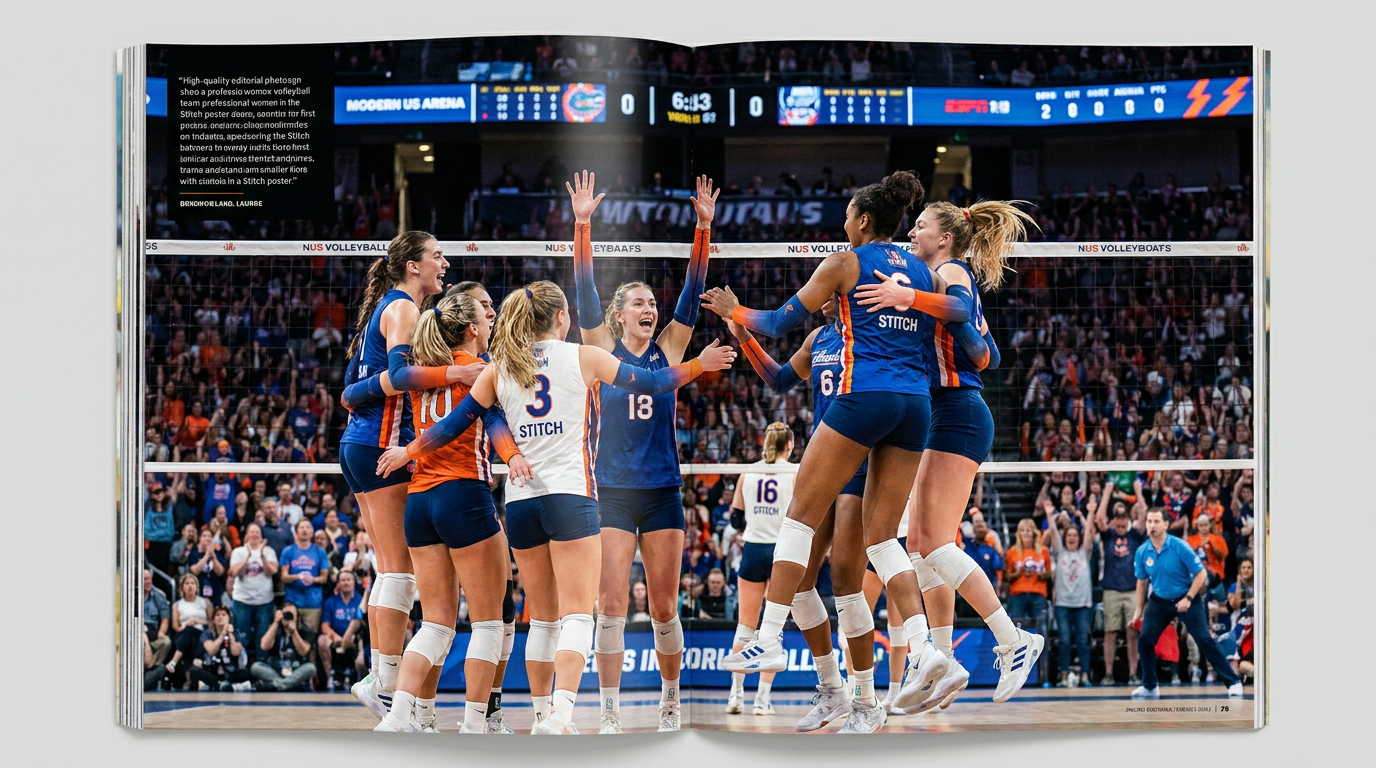
The $100M Turf War Building America's First Sustainable Pro Volleyball Ecosystem
6 sources
Adaptive Gaming
How Adaptive Tech and Modular Design Are Leveling the Esports Playing Field
7 sources

Sports Tech
How Artificial Intelligence is Revolutionizing Soccer Scouting and Player Recruitment
8 sources

Stay informed
Every angle. Every day.
Get sports stories with full source coverage and perspective breakdowns delivered to your inbox.