
The Mechanics of the Mountain Hut: How the Alps Built the World's Greatest Trekking Network
A vast network of over 1,300 high-altitude refuges makes multi-day trekking in the Alps uniquely accessible. Understanding the economics, logistics, and etiquette of these huts reveals a delicate balance of hospitality and survival.
By Factlen Editorial Team
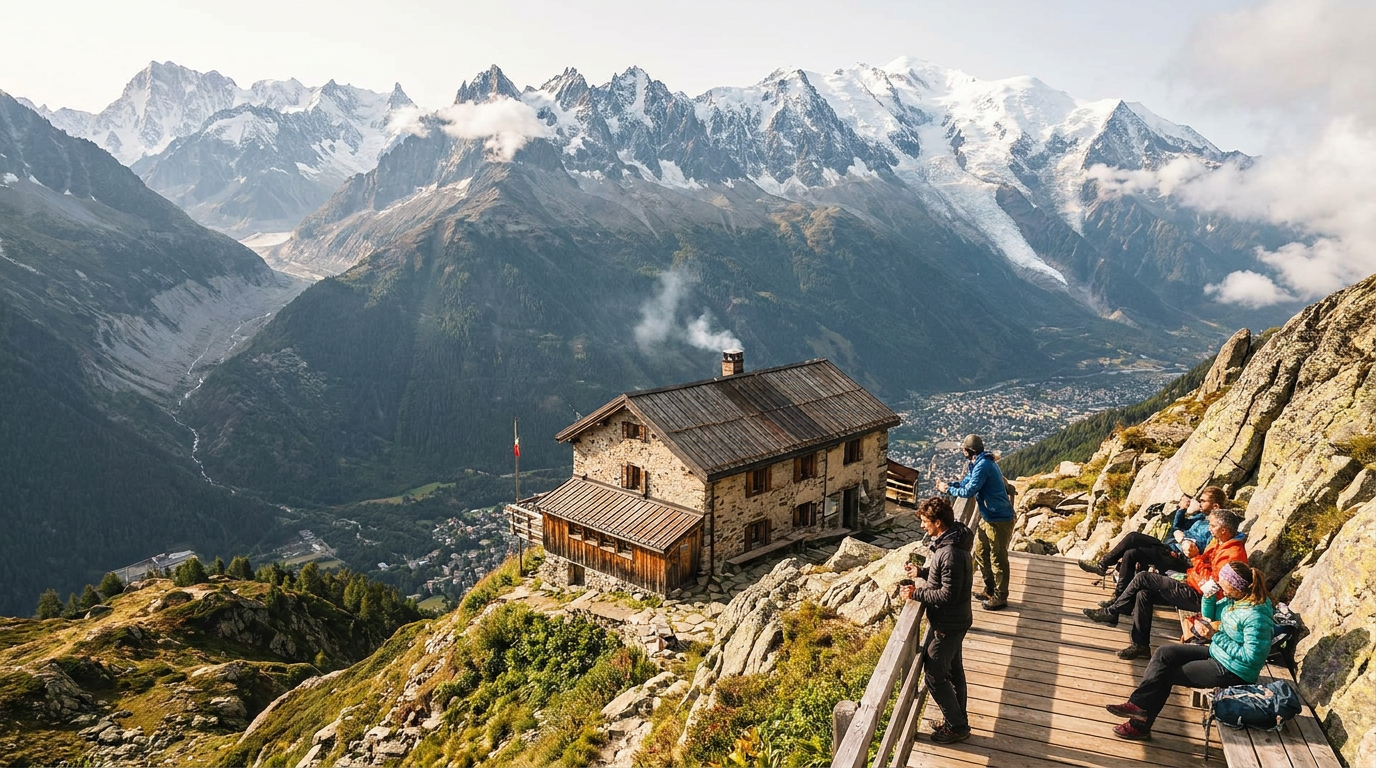
- Alpine Clubs & Wardens
- Focused on maintaining the infrastructure, balancing hospitality with the harsh realities of high-altitude logistics and building upkeep.
- Environmental Researchers
- Concerned with the ecological footprint of the huts, water scarcity, and the impact of climate change on permafrost and trails.
- Recreational Trekkers
- Value the accessibility, camaraderie, and light-packing convenience the hut system provides to everyday hikers.
What's not represented
- · Local valley residents affected by transit traffic
- · Mule operators and traditional transport advocates
Why this matters
The European hut system democratizes the high mountains, allowing everyday hikers to safely experience remote alpine environments without carrying heavy survival gear. Understanding how this system operates ensures travelers can participate respectfully while supporting the fragile infrastructure that makes it possible.

More in travel
See all 42 stories →Space Tourism
The 12-MPH Ascent: How Stratospheric Balloons Are Redefining Space Tourism for 2026
7 sources

Sleep Tech
How Hotels Are Engineering the Perfect Night of Sleep
7 sources

Sleep Tech
Inside the $75 Billion 'Sleep Tourism' Boom: How Hotels Are Engineering the Perfect Night's Rest
8 sources

Smart Tourism
How Japan is Redesigning Tourism for 2026: New Rules, Fees, and the Push for Local Travel
7 sources
Every angle. Every day.
Get travel stories with full source coverage and perspective breakdowns delivered to your inbox.