
The 12-MPH Ascent: How Stratospheric Balloons Are Redefining Space Tourism for 2026
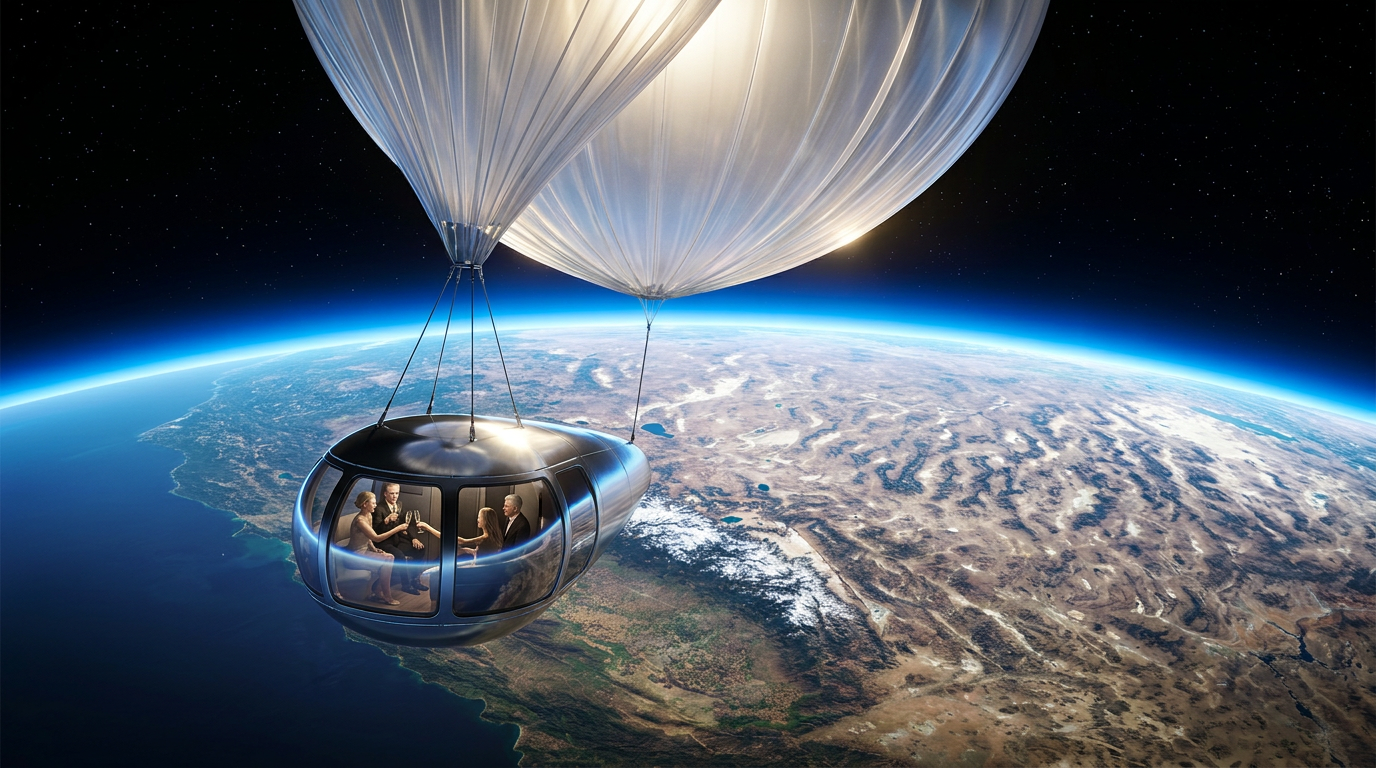
A new class of aerospace startups is swapping rocket fuel for massive zero-pressure balloons, promising a gentle, carbon-neutral journey to the edge of space.
By Factlen Editorial Team
Aerospace Innovators 35%Aviation Regulators 25%Spaceflight Traditionalists 20%Industry Analysts 20%
- Aerospace Innovators
- Startups building the balloons view this as the democratization of near-space travel.
- Aviation Regulators
- Agencies like the FAA and EASA are focused on adapting existing frameworks to a novel hybrid vehicle.
- Spaceflight Traditionalists
- Rocket operators and purists emphasize the technical distinction between the stratosphere and true outer space.
- Industry Analysts
- Market observers tracking the economic and environmental viability of the new sector.
What's not represented
- · Marine ecologists monitoring ocean splashdown impacts
- · Helium supply chain analysts
Why this matters
By removing the extreme G-forces, rigorous training, and massive carbon footprint of rocket launches, stratospheric ballooning opens the 'Overview Effect' to a much broader demographic of travelers—shifting space tourism from an extreme sport to a luxury hospitality experience.
More in travel
See all 43 stories →Indigenous Cuisine
How Indigenous Culinary Tourism is Rewriting the North American Travel Menu
8 sources

Sleep Tech
How Hotels Are Engineering the Perfect Night of Sleep
7 sources

Alpine Infrastructure
The Mechanics of the Mountain Hut: How the Alps Built the World's Greatest Trekking Network
7 sources

Sleep Tech
Inside the $75 Billion 'Sleep Tourism' Boom: How Hotels Are Engineering the Perfect Night's Rest
8 sources

Stay informed
Every angle. Every day.
Get travel stories with full source coverage and perspective breakdowns delivered to your inbox.