
The 'Echo Chamber Penalty': How Political Polarization is Costing Retail Investors
New behavioral finance research reveals that investors who isolate themselves in political echo chambers suffer measurable portfolio drag. Actively seeking out opposing viewpoints can counter confirmation bias and improve long-term returns.
By Factlen Editorial Team

Behavioral Economists 40%Values-Based Investors 30%Market Regulators & Advisors 30%
- Behavioral Economists
- Focus on the cognitive biases and the measurable drag on returns caused by partisan media diets.
- Values-Based Investors
- Argue that avoiding certain sectors is a valid moral choice, distinguishing intentional ethical investing from accidental echo chambers.
- Market Regulators & Advisors
- Emphasize the need for broad diversification and active due diligence to protect investors from their own behavioral impulses.
What's not represented
- · Algorithmic developers who design the social media feeds driving the polarization
- · Institutional fund managers who capitalize on the behavioral mistakes of retail traders
Why this matters
By recognizing and correcting for political bias in your financial information diet, you can avoid costly unforced errors and build a more resilient, reality-based portfolio.

More in finance
See all 129 stories →Space Economy
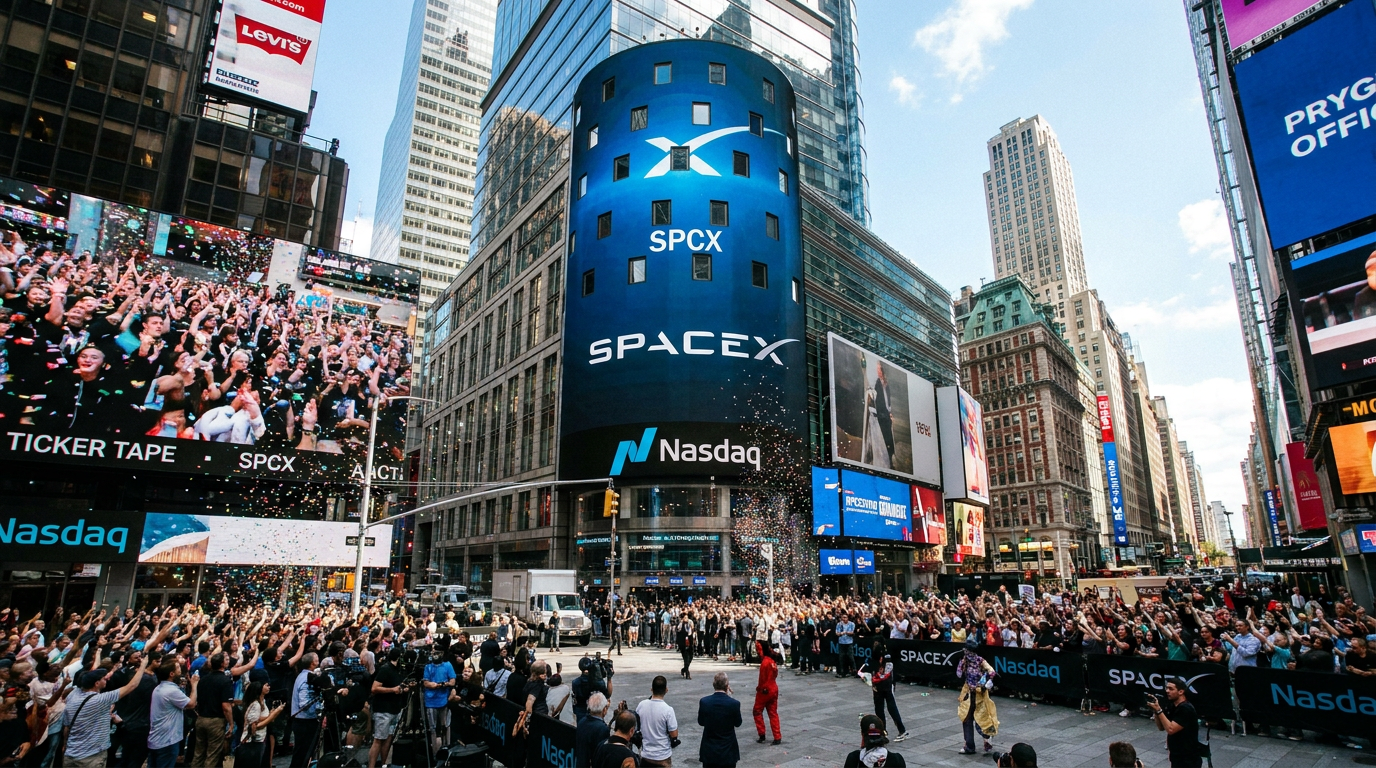
SpaceX Executes Historic $75 Billion IPO, Shattering Wall Street Records
6 sources
Stablecoin Adoption
Crypto's 'Boring' Breakthrough: Visa, Mastercard, and Stripe Push Stablecoins into Mainstream Payments
6 sources

Retirement Income
Do Fixed-Index Annuities Actually Outperform the Market? The Evidence, Explained
6 sources

SpaceX IPO
SpaceX Raises Record $75 Billion in Historic Public Market Debut
6 sources

Stay informed
Every angle. Every day.
Get finance stories with full source coverage and perspective breakdowns delivered to your inbox.