
How the Olympic Qualifier Series Rewrote the Rules for Urban Sports
The conclusion of the Olympic Qualifier Series in Budapest finalized the quotas for breaking, skateboarding, and sport climbing, cementing a new festival-style qualification model for the Games.
By Factlen Editorial Team
- The Olympic Movement
- Organizers view the OQS as a vital modernization of the Games that blends youth culture with elite sport.
- The Urban Athletes
- Competitors appreciate the spotlight but face immense physical and mental pressure from the condensed format.
- The Analytical View
- Sports analysts see the OQS as a power shift from traditional federations to the IOC.
What's not represented
- · Local Budapest Residents
- · Traditional Sports Federations
Why this matters
The OQS represents a fundamental shift in how the Olympic Games operate. By centralizing qualification into a high-stakes, festival-style tour, the IOC is changing the financial and competitive landscape for the next generation of athletes.
Key points
- The Olympic Qualifier Series concluded in Budapest, finalizing quotas for over 150 athletes in urban sports.
- The OQS replaces fragmented world championships with a unified, two-stop festival model.
- Athletes in BMX, breaking, and climbing competed for a maximum of 100 points across the Shanghai and Budapest events.
- Following the success of the 2026 series, the IOC plans to expand the model to four cities and seven sports for the 2028 cycle.
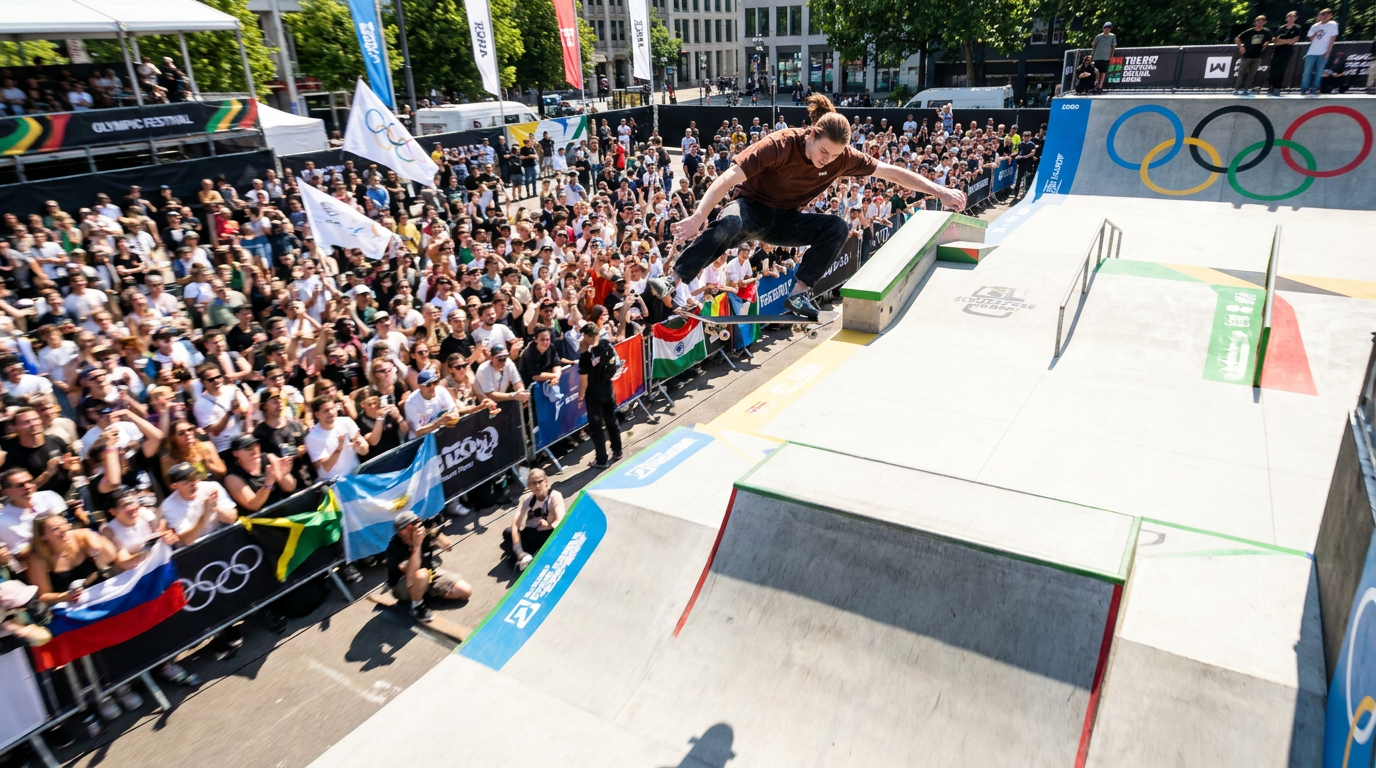
The Ludovika Campus in Budapest transformed into a sprawling urban festival this past weekend, marking the conclusion of the Olympic Qualifier Series (OQS). Over 150 athletes across breaking, skateboarding, BMX freestyle, and sport climbing secured their coveted Olympic quotas.[1][3]
But the Budapest finale was more than just a ticket-punching exercise. It represented the culmination of a radical experiment by the International Olympic Committee to overhaul how athletes reach the Games.[1][8]
Historically, Olympic qualification relied on a fragmented web of world championships and regional tournaments, each governed independently by international federations. The OQS replaces that with a unified, two-part festival model.[4][7]
The mechanism is straightforward but grueling. Athletes in BMX, breaking, and sport climbing compete for a maximum of 50 points at each of the two stops—Shanghai and Budapest.[7]

The cumulative total out of 100 points dictates the final global ranking. This system heavily rewards consistency over a single miraculous performance, forcing athletes to peak twice in a five-week window.[7][8]
Skateboarding utilizes a slightly modified three-part mechanism. Because of the sport's existing robust tour, the OQS points from Shanghai and Budapest are aggregated with results from prior World Skate competitions.[1][7]
This hybrid approach created intense drama in Budapest. Skateboarders who missed the Shanghai stop due to injury arrived in Hungary needing a massive result to salvage their Olympic hopes and climb the global standings.[1][4]
Skateboarders who missed the Shanghai stop due to injury arrived in Hungary needing a massive result to salvage their Olympic hopes and climb the global standings.
The stakes were equally high in sport climbing, where the discipline is split into Speed and a Combined Boulder & Lead format.[2][6]
In the Combined event, athletes navigate a complex scoring matrix where points from scaling a 15-meter wall (Lead) are added to points earned by solving short, powerful routes (Boulder).[4][8]

Elite climbers arrived in Budapest with maximum points from Shanghai, allowing them to dictate the pace of the competition rather than chase the leaderboard.[2][6]
Breaking, making its Olympic debut cycle, faced the tightest bottleneck. With National Olympic Committees restricted to a strict quota of two B-Boys and two B-Girls per country, the internal national battles were often fiercer than the international ones.[1][3]
For instance, the powerhouse Japanese breaking squad saw three elite B-Girls battling for only two available tickets, a mathematical reality that left one world-class athlete on the outside looking in despite a stellar performance.[1]
Beyond the spreadsheets and point allocations, the OQS was designed to test a new cultural presentation. The events are built around a single urban park, blending elite competition with live music, fashion showcases, and art installations.[4][7]
The evidence suggests the model is working. The Budapest and Shanghai stops drew over 100,000 combined spectators, successfully capturing the younger, urban demographic the Olympic movement is desperate to retain.[3][8]

The success of the Budapest finale has already triggered an expansion of the concept. For the Los Angeles 2028 cycle, the OQS will double in size to a four-stop tour—visiting Tokyo, Shanghai, Montreal, and Orlando.[5]
How we got here
April 2026
The IOC unveils the official points system and qualification mechanism for the OQS.
May 2026
The first stage of the OQS takes place in Shanghai, China, setting the initial leaderboard.
June 2026
The series concludes in Budapest, Hungary, finalizing the quotas for over 150 athletes.
May 2028
The expanded four-stop "Q-Series" is scheduled to begin in Tokyo for the Los Angeles Olympic cycle.
Viewpoints in depth
The Olympic Movement
Organizers view the OQS as a vital modernization of the Games that blends youth culture with elite sport.
For the International Olympic Committee and national bodies, the OQS is a strategic play for relevance. By pulling qualification out of niche, single-sport world championships and into a centralized, festival-style urban park, the IOC is directly targeting Gen Z viewership. They point to the 100,000-plus attendees and high digital engagement as proof that packaging sports with music and art is the blueprint for the future.
The Urban Athletes
Competitors appreciate the spotlight but face immense physical and mental pressure from the condensed format.
While athletes praise the energy and visibility of the OQS, the mechanism itself is grueling. Skateboarders, climbers, and breakers must peak twice within a five-week window, leaving zero margin for error. A single injury or off-day in Shanghai or Budapest can erase years of preparation, especially in sports like breaking where strict national quotas mean teammates are often eliminating each other.
The Analytical View
Sports analysts see the OQS as a power shift from traditional federations to the IOC.
From a structural standpoint, the OQS represents a massive consolidation of power. Historically, international federations controlled the qualification pathways for their respective sports. By creating an overarching, IOC-branded qualifying property, the Olympic movement is taking direct ownership of the narrative and the broadcast rights long before the actual Games begin, setting a precedent that is already expanding to other sports for 2028.
What we don't know
- How the expanded four-stop Q-Series in 2028 will impact the physical health and travel budgets of athletes.
- Whether traditional Olympic sports, such as gymnastics or track and field, will eventually adopt this centralized festival qualification model.
Key terms
- Olympic Qualifier Series (OQS)
- A new, IOC-run festival-style event series that serves as the ultimate qualification stage for urban sports.
- Quota Place
- A guaranteed spot in the Olympic Games, which is earned by the athlete but technically awarded to their National Olympic Committee.
- Combined Boulder & Lead
- A sport climbing format where athletes earn cumulative points from navigating short, complex routes (Boulder) and scaling a 15-meter wall (Lead).
- National Olympic Committee (NOC)
- The national organization (e.g., Team USA, Team GB) that holds the final authority to select athletes for the Games.
Frequently asked
What sports are included in the Olympic Qualifier Series?
The current series features BMX freestyle, breaking, skateboarding, and sport climbing. Future editions will add 3x3 basketball, beach volleyball, and flag football.
How do athletes earn points in the OQS?
In most sports, athletes can earn up to 50 points at each of the two stops (Shanghai and Budapest). Their cumulative score out of 100 determines their global ranking.
Does winning an OQS event guarantee an Olympic spot?
Not necessarily. Qualification is based on cumulative points across the series, and athletes must also fit within their country's maximum quota limits.
Sources
Source coverage
8 outlets
3 viewpoints surfaced








[1]Olympics.comThe Olympic Movement
Over 150 athletes stamp their tickets as Olympic Qualifier Series comes to a sensational close in Budapest
Read on Olympics.com →[2]Planet MountainThe Urban Athletes
Olympic Qualifier Series Budapest: Speed Qualification
Read on Planet Mountain →[3]Urban World SeriesThe Urban Athletes
Budapest Olympic Qualifier Series concludes
Read on Urban World Series →[4]Team GBThe Olympic Movement
What is the Olympic Qualifier Series?
Read on Team GB →[5]Canadian Olympic CommitteeThe Olympic Movement
Montreal to host Olympic Q-Series in 2028
Read on Canadian Olympic Committee →[6]World ClimbingThe Urban Athletes
OQS Budapest Results
Read on World Climbing →[7]Olympic Council of AsiaThe Olympic Movement
Qualification and points system unveiled for Olympic Qualifier Series
Read on Olympic Council of Asia →[8]Factlen Editorial TeamThe Analytical View
Synthesis by Factlen editorial team
Read on Factlen Editorial Team →
More in sports
See all 13 stories →History
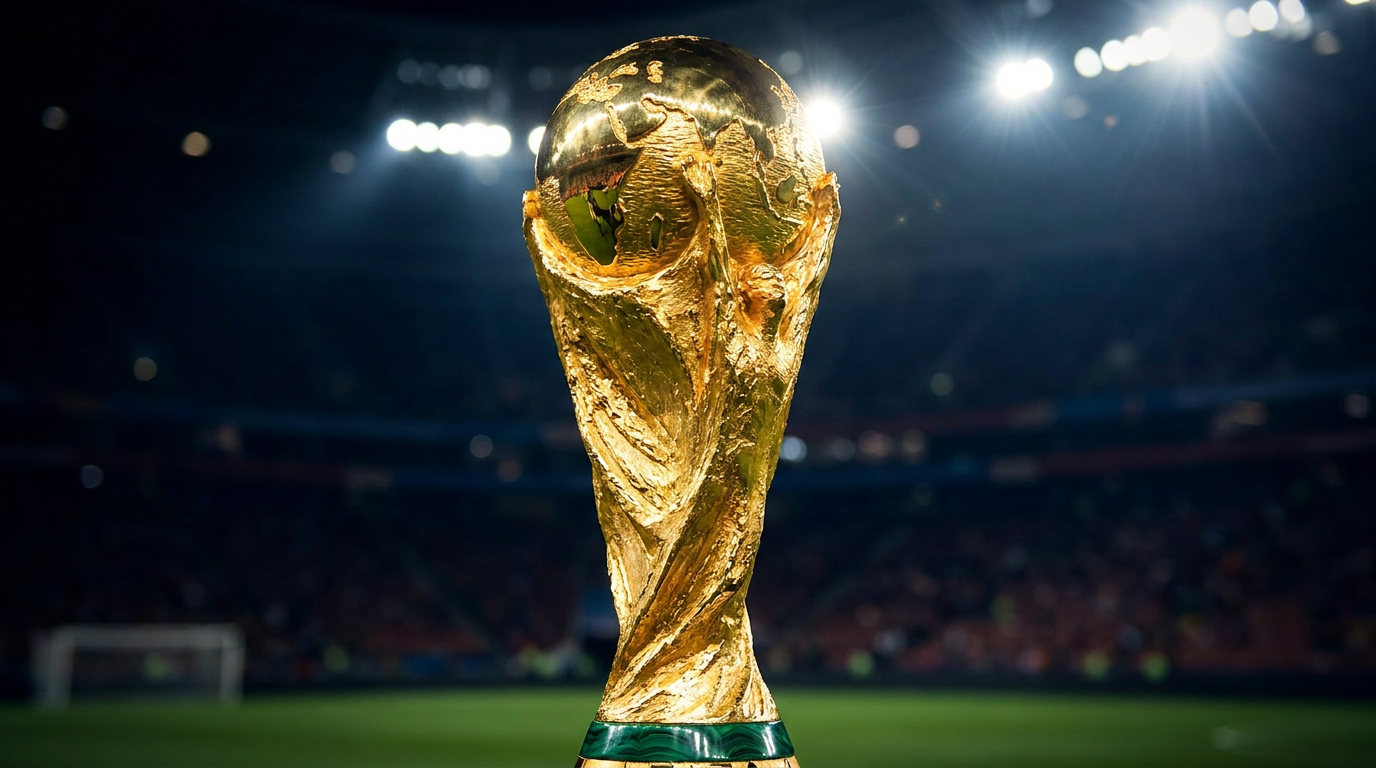
From Stolen Gold to Gazzaniga's Masterpiece: The Tumultuous History of the World Cup Trophy
7 sources
Storyline
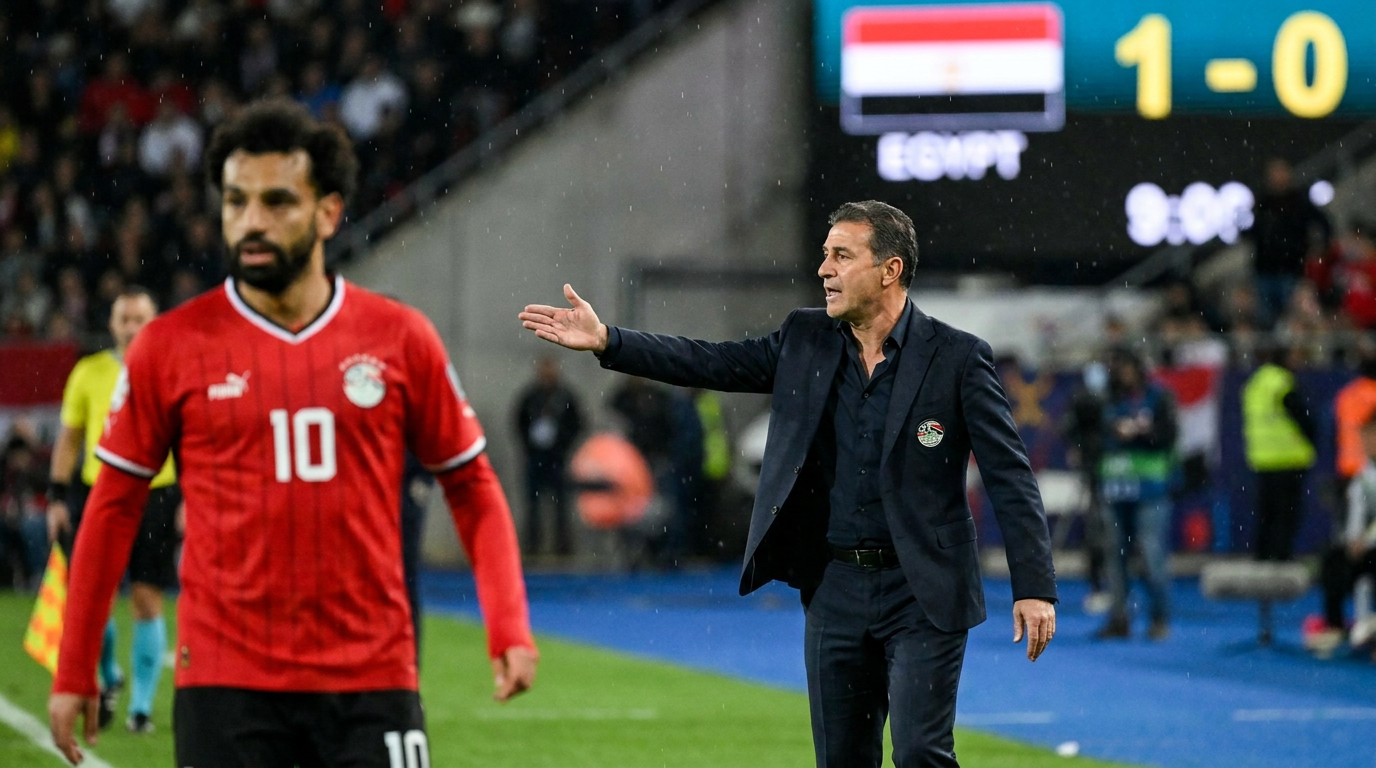
The Free-Roam Pharaoh: How Hossam Hassan Rewired Egypt's Tactics to Maximize Mohamed Salah
7 sources
History
From Lottery to Science: The History and Evolution of the World Cup Penalty Shootout
7 sources
Tactics
The Shape-Shifter: How Thomas Tuchel Rewired England's Tactical DNA for the 2026 World Cup
8 sources
Every angle. Every day.
Get sports stories with full source coverage and perspective breakdowns delivered to your inbox.