
How the 'Buy It For Life' Movement Transformed Minimalism in 2026
The stark, sterile minimalism of the past decade has been replaced by 'mindful consumption,' a movement prioritizing durability, repairability, and psychological well-being over simply owning less.
By Factlen Editorial Team
- Mindful Consumers
- Focus on sustainability, reducing waste, and the psychological relief of stepping off the consumer treadmill.
- Quality-First Advocates
- Argue that spending more upfront on durable, repairable goods is the only way to truly defeat planned obsolescence.
- Adaptive Minimalists
- Warn against the rigidity of BIFL, arguing that forcing permanence on items tied to evolving hobbies creates unnecessary stress.
What's not represented
- · Fast-fashion manufacturers
- · Low-income consumers who rely on budget retail
Why this matters
By shifting focus from cheap, disposable goods to durable, repairable investments, consumers are saving thousands of dollars over their lifetimes while drastically reducing their environmental footprint and daily decision fatigue.
Key points
- Minimalism has shifted from a stark aesthetic to a practical focus on durability and sustainability.
- The 'Buy It For Life' philosophy encourages investing in repairable, high-quality goods to lower lifetime costs.
- Mindful consumption significantly reduces decision fatigue and the anxiety associated with hyper-consumerism.
- Consumers are using 'decision friction,' like 30-day waiting periods, to curb impulse buying.
- Critics warn that forcing permanence on items tied to evolving hobbies or identities can create unnecessary stress.
The stark, sterile minimalism of the 2010s—defined by empty white rooms, rigid geometric furniture, and the performative counting of personal possessions—has officially been retired. As we move through 2026, the cultural pendulum has swung away from the aesthetic of absence and toward a philosophy of intentionality. Today’s minimalism is less about proving how little you can live with and more about maximizing the utility, longevity, and warmth of what you choose to keep. This evolution marks a profound shift from merely decluttering physical spaces to actively curating a sustainable, psychologically grounding lifestyle.[8]
The roots of this transformation can be traced back to the "underconsumption core" movement that swept social media in late 2024. Born as a direct backlash against the relentless cycle of influencer shopping hauls and micro-trends, the movement celebrated the mundane reality of using things until they were thoroughly worn out. Content creators began proudly displaying repaired jeans, decades-old cookware, and sneakers that had seen years of daily use, effectively rebranding frugality as a badge of honor. It was a memetic rejection of the hyper-consumerist hype cycle, proving that there was a massive, untapped appetite for slowing down.[1][2]
By 2026, that viral trend has matured into a comprehensive lifestyle framework anchored by the "Buy It For Life" (BIFL) ethos. The BIFL philosophy fundamentally changes the math of consumerism by prioritizing durability over disposability. Before making a purchase, mindful consumers now run items through a gauntlet of strict criteria: Can this be repaired if it breaks? Are replacement parts readily available? Will the material age gracefully, or will it immediately look shabby? The goal is no longer to hunt for the cheapest option, but to invest in craftsmanship that eliminates the need to ever buy that specific item again.[6][8]
This approach requires a shift in how we understand cost. High upfront prices and long-term expenses are rarely the same thing. Purchasing a $250 pair of meticulously crafted, recraftable leather boots might seem steep compared to a $50 fast-fashion alternative. However, when the cheaper pair falls apart after a single winter and requires annual replacement, the "affordable" option quickly becomes a financial drain. By choosing quality over quantity, adherents of the BIFL movement effectively lock in their costs, freeing up future capital for experiences, investments, or savings rather than a perpetual cycle of replacement.[6]

The psychological dividends of this shift are just as significant as the financial ones. A landmark 2023 study published in Frontiers in Psychology established a clear link between high levels of materialism and lower life satisfaction, while demonstrating that minimalist practices consistently correlate with greater emotional well-being. The modern marketplace is designed to induce a constant state of manufactured desire, bombarding consumers with advertisements that trigger impulse buys. By stepping off this treadmill, individuals experience a dramatic reduction in decision fatigue and the chronic low-grade anxiety associated with keeping up with trends.[4]
The psychological dividends of this shift are just as significant as the financial ones.
To protect their mental space, many have adopted the concept of "decision friction." Rather than clicking "buy now" the moment a desire arises, mindful consumers intentionally introduce delays into their purchasing process. A mandatory 30-day waiting period for non-essential items allows the initial dopamine rush of a potential purchase to fade, revealing whether the item serves a genuine need or is merely a fleeting want. This simple behavioral speed bump has proven incredibly effective at curbing the mindless accumulation that leads to cluttered homes and drained bank accounts.[8]
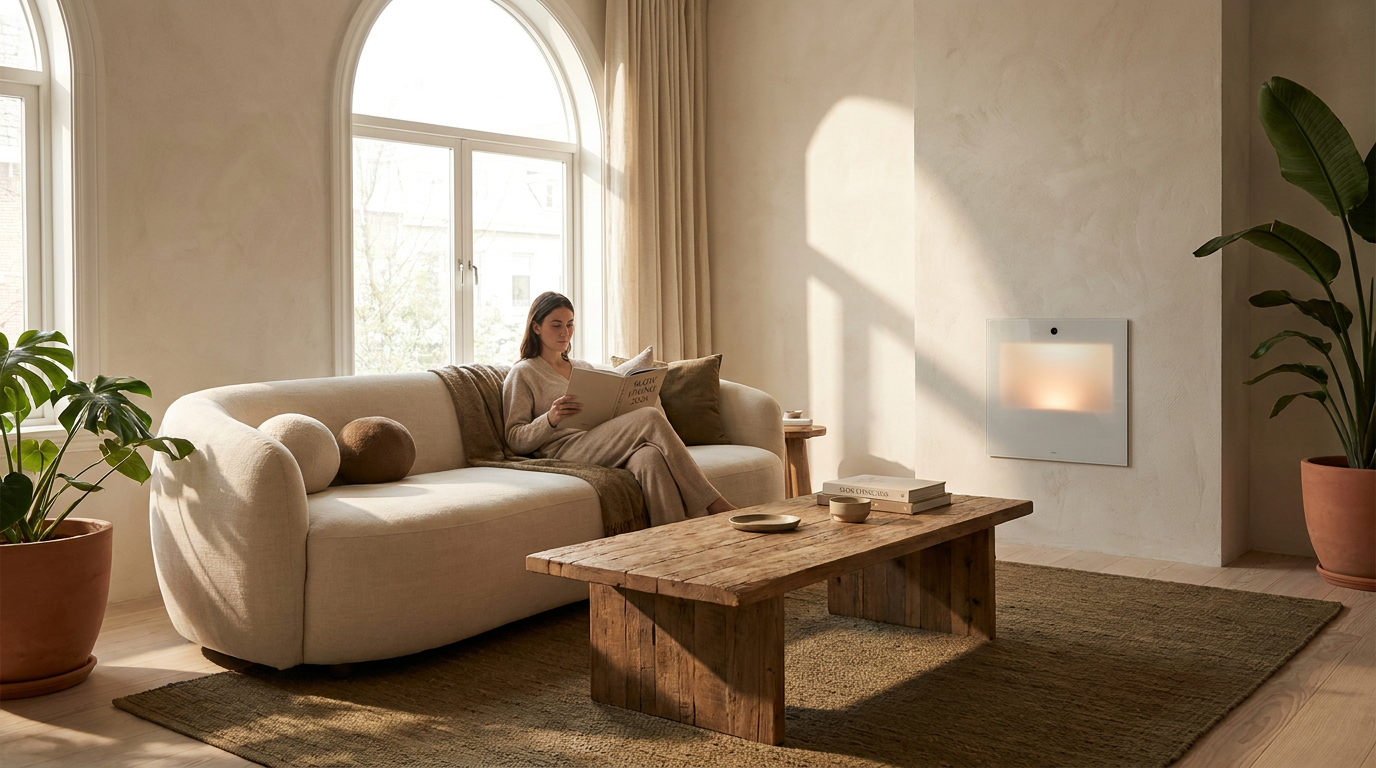
Visually, the spaces inhabited by these modern minimalists have also warmed up significantly. The industry has dubbed this aesthetic "welcoming minimalism," a style that balances simplicity with deep sensory comfort. Gone are the cold, hard edges of the past decade. In their place are natural fibers, warm earthy tones, and organic, rounded forms that invite relaxation. The focus has shifted to tactile quality—linen, sturdy cotton, and matte wood finishes—proving that a space can be highly curated and visually quiet without feeling like a sterile laboratory.[7][8]
The fashion industry has been forced to adapt to this new reality as consumers increasingly reject the churn of ultra-fast fashion. The concept of the capsule wardrobe—a tightly edited collection of 30 to 40 versatile, high-quality garments that seamlessly mix and match—has moved from a niche concept to mainstream practice. Retailers are noting a sustained surge in demand for timeless staples, such as well-tailored trousers, durable knitwear, and simple, elegant accessories that defy seasonal trends and can be worn for years.[3][5]

This behavioral shift carries massive environmental implications. In high-consumption nations, the average citizen historically purchased dozens of new clothing items annually, contributing to a global crisis where an estimated 83 million metric tons of textiles were discarded in a single year. By embracing underconsumption and the BIFL mentality, individuals are directly starving the engines of overproduction. Furthermore, the stigma around wearing the same outfit repeatedly has largely vanished, replaced by a cultural appreciation for signature styles and the visible patina of well-loved items.[1][2]
However, the "Buy It For Life" philosophy is not without its critics and limitations. Some adaptive minimalists warn that applying the BIFL standard to every single purchase can create its own form of perfectionism and stress. Not everything in life is meant to be permanent. Forcing a rigid standard of longevity onto items that are inherently tied to evolving hobbies, changing body types, or shifting personal identities can lead to frustration. The joy of discovery and the flexibility to adapt to new phases of life shouldn't be entirely sacrificed at the altar of durability.[6]

The healthiest application of 2026's minimalism recognizes these nuances. It applies the strict BIFL standard to functional, unchanging tools—cookware, winter coats, luggage, and furniture—while allowing for more grace and fluidity in areas tied to personal expression. It is a philosophy of balance, recognizing that the ultimate goal is not to own the oldest, most durable version of everything, but to own exactly what serves your current reality without generating unnecessary waste.[6]
Ultimately, the transition from the aesthetic minimalism of the past to the mindful consumption of today represents a profound maturation in how we relate to the material world. We are no longer striving to own nothing; we are striving to own better. By refusing to participate in the exhausting cycle of disposable consumption, individuals are reclaiming their time, their focus, and their finances, transforming their homes into genuine sanctuaries of intentionality.[4][8]
How we got here
Late 2023
The 'de-influencing' trend gains traction as creators urge followers to stop buying unnecessary viral products.
Mid 2024
The 'underconsumption core' hashtag goes viral, celebrating repaired clothes and well-worn everyday items.
Early 2025
Major retailers report a noticeable shift in consumer preference toward durable, repairable goods over fast fashion.
2026
The 'Buy It For Life' ethos solidifies into a mainstream lifestyle, blending sustainability with a warmer minimalist aesthetic.
Viewpoints in depth
Mindful Consumers
Focus on sustainability, reducing waste, and the psychological relief of stepping off the consumer treadmill.
This camp views consumption primarily through an environmental and psychological lens. They argue that the relentless cycle of buying and discarding is not only destroying the planet—evidenced by the tens of millions of tons of textile waste generated annually—but also degrading human well-being. By embracing 'underconsumption' and actively repairing what they already own, they find a sense of peace and community, often participating in buy-nothing groups and local repair cafes.
Quality-First Advocates
Argue that spending more upfront on durable, repairable goods is the only way to truly defeat planned obsolescence.
For this group, the core issue is the degradation of manufacturing standards. They champion the 'Buy It For Life' ethos, insisting that the most effective way to save money and reduce waste is to invest in superior craftsmanship. They are willing to pay a significant premium for items made with robust materials and repairable designs, viewing these purchases as long-term investments rather than disposable expenses. Their focus is on locking in lifetime value.
Adaptive Minimalists
Warn against the rigidity of BIFL, arguing that forcing permanence on items tied to evolving hobbies creates unnecessary stress.
While supportive of reducing waste, this perspective cautions against turning durability into a dogma. They point out that human lives are dynamic—bodies change, hobbies evolve, and living situations shift. Applying a strict 'Buy It For Life' standard to every purchase can lead to decision paralysis and guilt when an item inevitably no longer serves its purpose. They advocate for a flexible minimalism that prioritizes high quality for static tools, but allows for adaptability in personal expression.
What we don't know
- Whether the shift toward mindful consumption will permanently alter the revenue models of ultra-fast fashion giants.
- How the secondary market for high-quality used goods will scale to meet surging global demand.
- The long-term economic impact on developing nations that currently rely heavily on mass textile manufacturing.
Key terms
- Underconsumption Core
- A cultural trend celebrating the prolonged use, repair, and appreciation of existing possessions over the acquisition of new ones.
- Buy It For Life (BIFL)
- A purchasing philosophy focused on acquiring highly durable, repairable goods designed to last a lifetime, thereby reducing long-term costs and waste.
- Decision Friction
- Intentional behavioral hurdles, such as mandatory waiting periods, designed to disrupt impulse buying and encourage mindful consumption.
- Capsule Wardrobe
- A curated collection of 30 to 40 versatile, high-quality clothing items that can be easily mixed and matched to create numerous outfits.
- Welcoming Minimalism
- An interior design approach that combines the uncluttered ethos of minimalism with warm colors, natural textures, and comfortable, organic shapes.
Frequently asked
What is the 'underconsumption core' trend?
It is a social media movement that started in late 2024, encouraging people to use the items they already own until they are completely worn out, rather than constantly buying new products.
Does 'Buy It For Life' require spending a lot of money?
While BIFL items often have a higher upfront cost due to better craftsmanship, the philosophy argues they save money in the long run by eliminating the need for constant replacements.
What is 'decision friction'?
It is the practice of intentionally delaying a purchase—often by instituting a 30-day waiting period—to ensure the item is a genuine need rather than an impulse buy.
How does 2026 minimalism differ from the 2010s version?
Earlier minimalism focused heavily on stark aesthetics and owning as few items as possible. The 2026 approach prioritizes warmth, sustainability, and the practical durability of the items you choose to keep.
Sources
Source coverage
8 outlets
3 viewpoints surfaced








[1]The GuardianMindful Consumers
Underconsumption core: the TikTok trend encouraging people to buy less
Read on The Guardian →[2]The New DailyMindful Consumers
Underconsumption core: Trends away from excessive consumerism
Read on The New Daily →[3]Just StyleMindful Consumers
What is underconsumption core and how could it change fashion?
Read on Just Style →[4]Frontiers in PsychologyQuality-First Advocates
Materialism vs. Minimalism and Life Satisfaction
Read on Frontiers in Psychology →[5]Who What WearQuality-First Advocates
8 Minimal Style Summer Trends to Embrace in 2026
Read on Who What Wear →[6]The Aesthetic MinimalistAdaptive Minimalists
The Limits of the 'Buy It For Life' Mindset
Read on The Aesthetic Minimalist →[7]TidelliAdaptive Minimalists
Welcoming Minimalism: The 2026 Trend Transforming Interiors
Read on Tidelli →[8]Factlen Editorial TeamQuality-First Advocates
Synthesis by Factlen editorial team
Read on Factlen Editorial Team →


Every angle. Every day.
Get lifestyle stories with full source coverage and perspective breakdowns delivered to your inbox.