
How the Brain Washes Itself During Deep Sleep
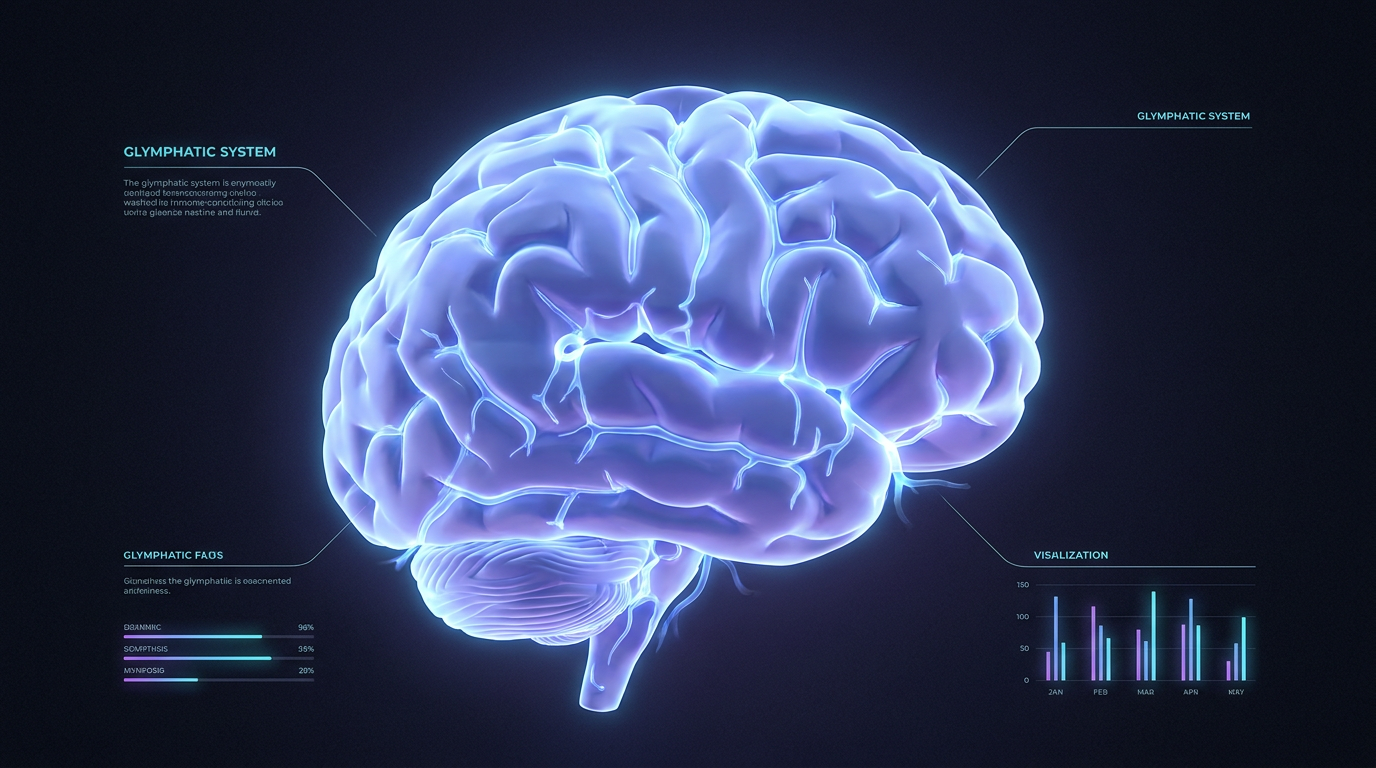
Scientists have mapped the glymphatic system, a microscopic waste-clearance network that flushes metabolic toxins from the brain during deep sleep. Understanding this mechanism offers actionable ways to optimize rest and protect long-term cognitive health.
By Factlen Editorial Team
- Neuroscientists
- Focus on the mechanical clearance of proteins and the structural biology of the glymphatic system.
- Sleep Clinicians
- Emphasize behavioral interventions and sleep hygiene to maximize slow-wave sleep in patients.
- Longevity Researchers
- View glymphatic optimization as a key pillar in extending healthspan and preserving cognitive vitality during aging.
What's not represented
- · Shift workers who struggle to achieve consistent circadian-aligned slow-wave sleep
Why this matters
Optimizing your deep sleep isn't just about feeling rested—it actively protects your brain's physical architecture. By prioritizing the specific sleep stages that trigger this biological 'wash cycle,' you can improve daily focus and support long-term neurological health.
Key points
- The glymphatic system is a microscopic plumbing network that washes waste from the brain.
- This clearance process is up to 10 times more active during deep, slow-wave sleep.
- During deep sleep, brain cells shrink by 20%, allowing cerebrospinal fluid to flush out toxins.
- Metabolic byproducts like amyloid-beta are cleared away before they can cause structural damage.
- Keeping a cool bedroom and avoiding late-night alcohol can significantly increase deep sleep duration.
For decades, sleep was broadly understood as a period of passive rest—a time when the body powered down to conserve energy. But recent advancements in neuroimaging have revealed a radically different picture. During the deepest phases of slumber, the human brain transforms into a highly active, mechanical cleaning facility. This process, driven by a microscopic plumbing network known as the glymphatic system, physically washes away the metabolic waste that accumulates during waking hours.[1][6]
The discovery of the glymphatic system fundamentally changed how biologists view the purpose of sleep. Unlike the rest of the body, which relies on the lymphatic system to clear cellular debris, the brain is isolated by the blood-brain barrier. For a long time, it was a mystery how the brain disposed of its own waste. Researchers eventually identified a specialized network of channels formed by glial cells—the support cells of the nervous system—that manage this crucial task.[2][5]
The mechanics of this biological wash cycle are surprisingly physical. When a person enters deep, slow-wave sleep, the brain's glial cells actually shrink in size by up to 20 percent. This cellular contraction dramatically expands the interstitial spaces between brain cells, essentially opening the floodgates. Cerebrospinal fluid (CSF), the clear liquid surrounding the brain and spinal cord, then rushes through these widened channels, flushing out toxins.[1][2]

Among the primary targets of this nightly rinse are amyloid-beta and tau proteins. These are normal byproducts of daytime neural activity—the chemical exhaust created simply by thinking, moving, and existing. However, if allowed to accumulate, these proteins can form plaques and tangles that disrupt neural communication. The glymphatic system acts as the brain's street sweeper, clearing these proteins out before they can cause structural damage.[4][5]
Crucially, this intensive cleaning process does not happen continuously throughout the night. It is highly synchronized with a specific stage of rest: deep, non-rapid eye movement (NREM) sleep, also known as slow-wave sleep. During this phase, the brain generates slow, rhythmic electrical pulses called delta waves. These synchronized brain waves actually help propel the cerebrospinal fluid through the brain tissue, driving the clearance process at a rate up to ten times faster than during wakefulness.[2][3]
Crucially, this intensive cleaning process does not happen continuously throughout the night.
Because the glymphatic system relies so heavily on slow-wave sleep, the architecture of a person's night matters just as much as the total hours spent in bed. Most adults require roughly 1.5 to 2 hours of deep sleep per night to facilitate adequate brain clearance. This deep sleep is heavily concentrated in the first half of the night, making the initial hours after falling asleep the most critical window for neurological maintenance.[3][6]

Understanding this mechanism offers highly actionable ways to improve daily cognitive function. Because deep sleep is sensitive to core body temperature, keeping the bedroom cool—typically between 60 and 67 degrees Fahrenheit—helps signal to the brain that it is time to descend into slow-wave rest. A cooler environment facilitates the natural drop in body temperature required to trigger the deepest stages of the sleep cycle.[3][6]
Timing and routine also play a pivotal role in optimizing the brain's wash cycle. The circadian rhythm, the body's internal clock, dictates the release of melatonin and the onset of slow-wave sleep. Maintaining a consistent sleep schedule anchors this rhythm, ensuring that the brain efficiently transitions into the deep sleep phases rather than lingering in lighter, less restorative stages of rest.[4][6]
Conversely, certain evening habits can directly interfere with glymphatic clearance by suppressing slow-wave sleep. Consuming alcohol before bed is a primary culprit; while it may act as a sedative to induce unconsciousness, it fragments sleep architecture and significantly reduces the time spent in the deep, restorative delta-wave phase. Late, heavy meals can have a similar effect by keeping the resting heart rate elevated.[3][4]

The implications of this research extend far beyond daily grogginess. Longevity researchers are increasingly viewing glymphatic optimization as a foundational pillar of healthspan. As humans age, the amount of slow-wave sleep naturally declines, which correlates with a reduction in the brain's ability to clear metabolic waste. Finding lifestyle interventions to preserve deep sleep is now considered a frontline strategy for maintaining cognitive vitality in later decades.[5][6]
Looking ahead, scientists are exploring innovative ways to artificially enhance this natural cleaning cycle. Clinical trials are currently investigating acoustic stimulation—playing specific frequencies of "pink noise" timed to a sleeper's brain waves—to boost the amplitude of delta waves and potentially increase the volume of fluid flushed through the glymphatic system. While still experimental, these technologies point to a future where sleep can be actively tuned for better health.[1][6]
Ultimately, the discovery of the glymphatic system reframes sleep from a passive luxury to an active, non-negotiable biological imperative. By viewing rest as a mechanical process of cellular repair and waste removal, individuals are empowered to prioritize their sleep hygiene. Protecting those crucial hours of deep sleep is one of the most effective, accessible tools available for safeguarding long-term brain health.[4][6]
How we got here
2012
Researchers at the University of Rochester formally identify and name the glymphatic system in mice.
2013
Studies confirm that glymphatic clearance is highly active during sleep and largely disengaged during wakefulness.
2019
Advanced MRI imaging confirms the presence and mechanics of the glymphatic wash cycle in living human brains.
2024–2026
Clinical trials expand to test acoustic stimulation and temperature interventions to actively enhance slow-wave sleep clearance.
Viewpoints in depth
Neuroscientists
Focus on the mechanical clearance of proteins and the structural biology of the glymphatic system.
For neurobiologists, the discovery of the glymphatic system solved a decades-old anatomical mystery regarding how the brain, which lacks traditional lymphatic vessels, manages its own waste. This camp focuses heavily on the fluid dynamics of cerebrospinal fluid and the behavior of glial cells. Their research emphasizes that the brain's physical architecture literally changes shape during sleep to accommodate this wash cycle, viewing sleep not as a behavioral state, but as a critical mechanical function.
Sleep Clinicians
Emphasize behavioral interventions and sleep hygiene to maximize slow-wave sleep in patients.
Medical professionals who treat sleep disorders view the glymphatic system as the biological 'why' behind traditional sleep hygiene advice. Rather than just treating daytime fatigue, they use this science to explain to patients why fragmented sleep or alcohol consumption is physically damaging. This camp focuses on actionable interventions—like temperature control, consistent sleep schedules, and treating sleep apnea—to ensure patients achieve the 1.5 to 2 hours of slow-wave sleep necessary for optimal brain clearance.
Longevity Researchers
View glymphatic optimization as a key pillar in extending healthspan and preserving cognitive vitality.
Researchers focused on aging and healthspan look at the glymphatic system through the lens of long-term cognitive preservation. Because slow-wave sleep naturally declines as humans age, this camp investigates how that decline correlates with the accumulation of metabolic waste like amyloid-beta. They are actively exploring interventions—ranging from acoustic pink-noise stimulation to specific exercise protocols—designed to artificially boost delta waves in older adults, hoping to maintain the brain's cleaning efficiency well into old age.
What we don't know
- The exact impact of common prescription sleep medications on the efficiency of glymphatic clearance.
- Whether the age-related decline in slow-wave sleep can be fully reversed through lifestyle or technological interventions.
- How individual genetic differences affect the baseline efficiency of a person's glymphatic system.
Key terms
- Glymphatic System
- A macroscopic waste clearance system that utilizes cerebrospinal fluid to flush metabolic toxins from the central nervous system, primarily during deep sleep.
- Slow-Wave Sleep
- The deepest phase of non-REM sleep, characterized by slow, high-amplitude delta brain waves, during which the body repairs tissues and the brain clears waste.
- Glial Cells
- Non-neuronal cells in the central nervous system that support and protect neurons; they shrink during sleep to allow fluid to flow through the brain.
- Amyloid-beta
- A metabolic waste protein produced by normal brain activity that is flushed out during sleep; its accumulation is linked to cognitive decline.
Frequently asked
Can I catch up on deep sleep during the weekend?
While sleeping in can help reduce overall fatigue, the brain's glymphatic clearance works best on a consistent daily rhythm. Binge-sleeping on weekends cannot fully reverse the accumulation of metabolic waste from chronic sleep deprivation during the week.
Do daytime naps trigger the wash cycle?
Short power naps (20-30 minutes) usually only involve light sleep, which does not trigger significant glymphatic clearance. Longer naps that enter slow-wave sleep can help, but they may disrupt your ability to get deep sleep at night.
Does waking up frequently disrupt the process?
Yes. Fragmented sleep prevents the brain from sustaining the long, uninterrupted periods of slow-wave delta activity required to efficiently pump cerebrospinal fluid through the brain tissue.
Sources
Source coverage
6 outlets
3 viewpoints surfaced






[1]National Institutes of HealthNeuroscientists
How sleep clears the brain
Read on National Institutes of Health →[2]ScienceNeuroscientists
Sleep Drives Metabolite Clearance from the Adult Brain
Read on Science →[3]Sleep FoundationSleep Clinicians
Deep Sleep: How Much Do You Need?
Read on Sleep Foundation →[4]Harvard Medical SchoolSleep Clinicians
Clearing the Mind: The Neuroscience of Sleep
Read on Harvard Medical School →[5]Nature Reviews NeuroscienceNeuroscientists
The glymphatic system in health and disease
Read on Nature Reviews Neuroscience →[6]Factlen Editorial TeamLongevity Researchers
Synthesis by Factlen editorial team
Read on Factlen Editorial Team →
Every angle. Every day.
Get health stories with full source coverage and perspective breakdowns delivered to your inbox.