
Evidence Pack: How Gut Microbiome Transplants Are Reversing Cognitive Aging in Mice
A wave of new research demonstrates that transplanting gut bacteria from young mice into older ones can restore brain plasticity and reverse age-related memory loss.
By Factlen Editorial Team
- Microbiome Researchers
- Argue that the gut is the primary driver of systemic aging and the most viable therapeutic target for reversing cognitive decline.
- Cognitive Neuroscientists
- Acknowledge the gut's influence but emphasize that brain-intrinsic factors still play a major role, cautioning against over-extrapolating mouse models.
- Gerontologists
- Focus on how these findings validate lifestyle interventions like diet and exercise to maintain a healthy microbiome and extend human healthspan.
What's not represented
- · Medical ethicists evaluating the implications of microbiome harvesting
- · Gastroenterologists treating human patients with current FMT protocols
Why this matters
If these animal models successfully translate to humans, targeting the gut microbiome could become a primary, non-invasive treatment for age-related cognitive decline, Alzheimer's disease, and general memory loss.
Key points
- Transplanting gut bacteria from young mice into elderly mice successfully reverses age-related memory loss.
- The treatment restores physical and chemical plasticity in the hippocampus, the brain's memory center.
- Age-related cognitive decline is partly driven by specific bacteria that cause inflammation and block vagus nerve signals.
- Transplants from mice that exercise regularly provide even stronger cognitive benefits than those from sedentary mice.
- Researchers are exploring ways to isolate the beneficial chemicals produced by young microbiomes for future human therapies.
Aging is traditionally viewed as a one-way street, particularly when it comes to the brain's ability to learn, adapt, and form new memories. For decades, the medical consensus held that cognitive decline was an intrinsic, inevitable deterioration of the brain's own hardware. But a wave of recent discoveries is challenging this assumption, pointing not to the brain itself, but to the trillions of bacteria residing in the gut.[5]
The latest evidence emerged this week when New Scientist reported that fecal microbiome transplants from young animals successfully restored deep brain plasticity in elderly mice. The procedure allowed the older mice to overcome neurological conditions that typically only respond to treatment in childhood, effectively rewinding the biological clock on their cognitive capabilities.[1]
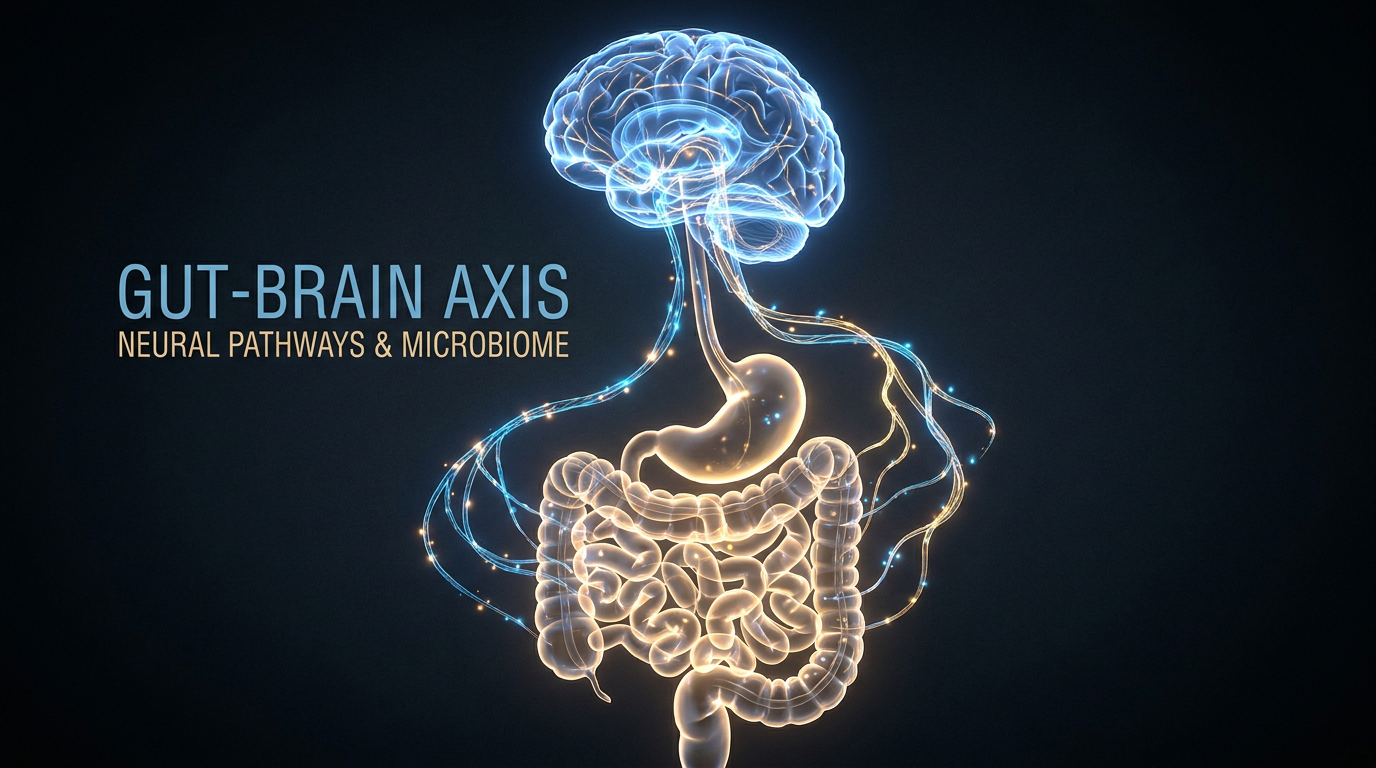
To understand how this works, researchers have spent the last few years mapping the "gut-brain axis"—a bidirectional communication highway that appears to dictate how the brain ages. The foundational claim driving this field is that the microbiome directly controls cognitive aging, acting as a remote control for neurological health.[5]
In a landmark 2021 study published in Nature Aging, neuroscientists at University College Cork demonstrated that transplanting feces from 3-month-old mice into 20-month-old geriatric mice reversed age-related cognitive decline. After eight weeks of receiving the young microbiome slurry, the older rodents navigated mazes faster and remembered layouts significantly better than their untreated peers.[3]

Crucially, the researchers found that the hippocampi of the treated mice—the brain's primary memory center—became physically and chemically similar to those of young mice. Conversely, when young mice were given the microbiome of older mice, their memory and learning abilities plummeted, proving that the gut bacteria were the causal factor, not just a byproduct of aging.[2][3]
The second major claim evaluated by researchers centers on the specific mechanisms: how exactly do bacteria in the stomach alter the brain? Recent evidence points to specific bacterial strains that proliferate as we age, and the chemical metabolites they produce.[5]
A March 2026 study published in Nature by researchers at Stanford University and the Arc Institute identified that a specific bacteria, Parabacteroides goldsteinii, increases dramatically as mice age. When researchers introduced this specific bacteria into young mice, the animals immediately began performing worse on cognitive tests.[2]
The evidence suggests that these age-associated bacteria produce specific fatty acids that trigger inflammation in myeloid cells, a type of white blood cell. This localized gut inflammation sets off a chain reaction that disrupts the body's internal communication systems.[2]

This leads to the third critical claim: the vagus nerve acts as the primary conduit for these signals. The vagus nerve is a massive neural network connecting the gut directly to the brain stem. The Stanford researchers found that the gut-induced inflammation effectively blocked signals traveling up this nerve to the brain.[2][5]
This leads to the third critical claim: the vagus nerve acts as the primary conduit for these signals.
When the team chemically activated the vagus nerve or blocked the gut inflammation, the aged mice regained their cognitive performance. This proved that the brain itself wasn't permanently damaged by age—it was simply receiving the wrong signals from a degraded gut microbiome.[2]
The fourth claim evaluates whether lifestyle interventions can mimic these transplant effects without the need for clinical procedures. Research published in the journal Aging and Disease demonstrated that fecal transplants from "young-trained" mice—those subjected to regular physical exercise—produced even stronger cognitive improvements in aged mice than transplants from sedentary young mice.[4]
The exercise-conditioned microbiome reduced neuroinflammation and upregulated synaptic plasticity modulators in the recipients' brains. This suggests that the well-documented cognitive benefits of exercise are at least partially mediated by the healthy gut bacteria that physical activity cultivates.[4]
Despite these breakthroughs, significant uncertainty remains regarding human translation. While fecal microbiota transplants are currently used in humans to treat severe intestinal infections like C. difficile, using them for anti-aging or cognitive enhancement remains highly experimental.[3][5]

Researchers caution that the human microbiome is vastly more complex than that of a laboratory mouse. A human's gut flora is shaped by decades of diverse diets, environmental exposures, antibiotic use, and genetics, making it much harder to standardized a "young" microbiome for therapeutic use.[5]
Furthermore, the long-term risks of introducing a foreign microbiome into an elderly human patient—whose immune system may react unpredictably to novel bacterial strains—are not yet fully understood. Clinical trials will need to carefully monitor for unintended autoimmune responses.[5]
To bridge this gap, pharmaceutical companies are currently investigating whether they can isolate the specific beneficial metabolites produced by young microbiomes—such as specific short-chain fatty acids—and deliver them as oral supplements, bypassing the need for whole-microbiome transplants entirely.[5]
Other researchers are exploring targeted bacteriophage therapies—viruses that specifically hunt and kill the detrimental bacteria, like Parabacteroides goldsteinii, that accumulate in the gut during aging. In mouse models, this targeted culling was enough to restore vagus nerve signaling and improve memory.[2][5]

The evidence pack assembled over the last five years provides a compelling proof-of-concept: cognitive decline is not an inevitable consequence of brain aging, but a systemic condition heavily influenced by the gastrointestinal tract.[1][5]
If these findings can be safely replicated in human trials, the future of neurology may look very different. Rather than treating the brain directly with complex neurochemical drugs, doctors might prescribe precision probiotics, tailored diets, or microbial therapies to keep the mind sharp.[5]
How we got here
1895
Immunologist Elie Metchnikoff first proposes that intestinal bacteria play a central role in healthy aging and longevity.
2017
Researchers establish a firm observational link between age-induced changes in the microbiome and cognitive decline.
August 2021
Nature Aging publishes landmark proof that young microbiome transplants can reverse cognitive decline in geriatric mice.
March 2026
Stanford researchers identify the vagus nerve and specific inflammatory bacteria as the mechanical link between gut aging and memory loss.
June 2026
New Scientist reports that fecal transplants successfully restore deep brain plasticity, allowing old mice to overcome childhood-specific neurological conditions.
Viewpoints in depth
Microbiome Researchers
Argue that the gut is the primary driver of systemic aging and the most viable therapeutic target for reversing cognitive decline.
This camp views the brain not as an isolated organ that inevitably decays, but as a receiver heavily dependent on signals from the gut. They point to the fact that simply replacing the microbiome in an aged animal completely restores its cognitive function as proof that the brain's hardware remains intact well into old age. For these researchers, the future of treating neurodegenerative diseases lies in gastroenterology, focusing on precision probiotics, engineered bacteriophages, and targeted diets rather than traditional neurological drugs.
Cognitive Neuroscientists
Acknowledge the gut's influence but emphasize that brain-intrinsic factors still play a major role, cautioning against over-extrapolating mouse models.
While acknowledging the breakthrough nature of the gut-brain axis research, this camp urges caution. They note that human brains are exponentially more complex than mouse brains, and human cognitive decline often involves structural accumulations—like amyloid plaques in Alzheimer's disease—that may not be fully reversible simply by changing gut bacteria. They advocate for a dual approach that treats both the gut's signaling pathways and the brain's intrinsic health, rather than viewing the microbiome as a standalone cure-all.
Gerontologists
Focus on how these findings validate lifestyle interventions like diet and exercise to maintain a healthy microbiome and extend human healthspan.
For specialists focused on the practicalities of human aging, the most exciting aspect of this research is the validation of lifestyle medicine. The discovery that "young-trained" microbiomes from exercising mice confer greater cognitive benefits provides a clear biological mechanism for why physical activity keeps the human mind sharp. Rather than waiting for FDA-approved fecal transplants, this camp emphasizes that humans can actively cultivate a "younger" microbiome today through high-fiber diets, fermented foods, and regular aerobic exercise.
What we don't know
- Whether the cognitive benefits observed in highly controlled mouse models will translate safely and effectively to elderly humans.
- The long-term immune consequences of introducing a young, foreign microbiome into an aged host.
- Exactly which combination of bacterial strains is optimal for human brain health, as the human microbiome is vastly more complex than that of a mouse.
Key terms
- Gut-Brain Axis
- The two-way biochemical signaling pathway that takes place between the gastrointestinal tract and the central nervous system.
- Microbiome
- The community of trillions of microorganisms, including bacteria, fungi, and viruses, that live in a particular environment, such as the human digestive tract.
- Vagus Nerve
- The longest cranial nerve in the body, serving as the main communication line between the brain and the digestive system.
- Neuroplasticity
- The brain's ability to reorganize itself by forming new neural connections throughout life, which is essential for learning and memory.
- Fecal Microbiota Transplantation (FMT)
- A medical procedure in which stool from a healthy donor is placed into another patient's intestine to restore a healthy balance of bacteria.
Frequently asked
Can I get a fecal transplant to improve my memory?
Not currently. While fecal microbiota transplants are used to treat specific severe intestinal infections, using them for cognitive enhancement or anti-aging in humans is highly experimental and not medically approved.
How does the gut communicate with the brain?
The primary communication highway is the vagus nerve, a massive neural network connecting the digestive tract to the brain stem. Gut bacteria also produce chemical metabolites that enter the bloodstream and affect the brain.
Does exercise affect the gut microbiome?
Yes. Studies show that regular physical exercise cultivates a healthier, more diverse microbiome, which in turn produces chemicals that reduce inflammation and promote brain plasticity.
Why do researchers use mice for these studies?
Mice have a relatively short lifespan (about two years), allowing researchers to study the entire aging process quickly. Their microbiomes and nervous systems also share fundamental similarities with humans.
Sources
Source coverage
5 outlets
3 viewpoints surfaced




[1]New ScientistCognitive Neuroscientists
Faecal transplant makes the brains of old mice act young again
Read on New Scientist →[2]NatureCognitive Neuroscientists
Aging-induced changes in the gut microbiome impair vagus nerve signaling and cognitive function
Read on Nature →Microbiota from young mice reverses aging-associated impairments in cognitive and immune functions
Read on Nature Aging →[4]Aging and DiseaseMicrobiome Researchers
Fecal Microbiota Transplantation from Young-Trained Donors Improves Cognitive Function in Old Mice Through Modulation of the Gut-Brain Axis
Read on Aging and Disease →[5]Factlen Editorial TeamGerontologists
Synthesis by Factlen editorial team
Read on Factlen Editorial Team →

Every angle. Every day.
Get science stories with full source coverage and perspective breakdowns delivered to your inbox.