
The Science and History of the Clarified Milk Punch
How a 300-year-old preservation technique uses milk proteins to transform cloudy, acidic drinks into crystal-clear, silky cocktails.
By Factlen Editorial Team
- Culinary Scientists
- Focus on the precise chemical mechanisms of protein binding and texture refinement.
- Cocktail Historians
- Focus on the 18th-century origins and the technique's original purpose as a preservation method.
- High-Volume Bar Operators
- Value the technique primarily for its operational efficiency, batching capabilities, and speed of service.
What's not represented
- · Dairy farmers and producers supplying high-fat milk to the hospitality industry.
- · Consumers who prefer traditional, unclarified cocktails with robust, unfiltered flavors.
Why this matters
Understanding the chemistry behind cocktail clarification empowers home bartenders to elevate their own drinks, while offering a fascinating glimpse into how historical preservation methods are driving modern culinary trends.
Key points
- Cocktail clarification uses milk proteins to strip away impurities, color, and harsh tannins from acidic drinks.
- The technique relies on casein proteins denaturing in the presence of acid, forming curds that trap polyphenols.
- While the curds are filtered out, dissolved whey proteins remain, imparting a silky, luxurious mouthfeel to the final beverage.
- Originally developed in the 1700s as a preservation method, the technique allowed citrus punches to survive without refrigeration.
- Modern high-volume bars utilize milk washing to pre-batch complex cocktails, ensuring rapid service and extended shelf life.
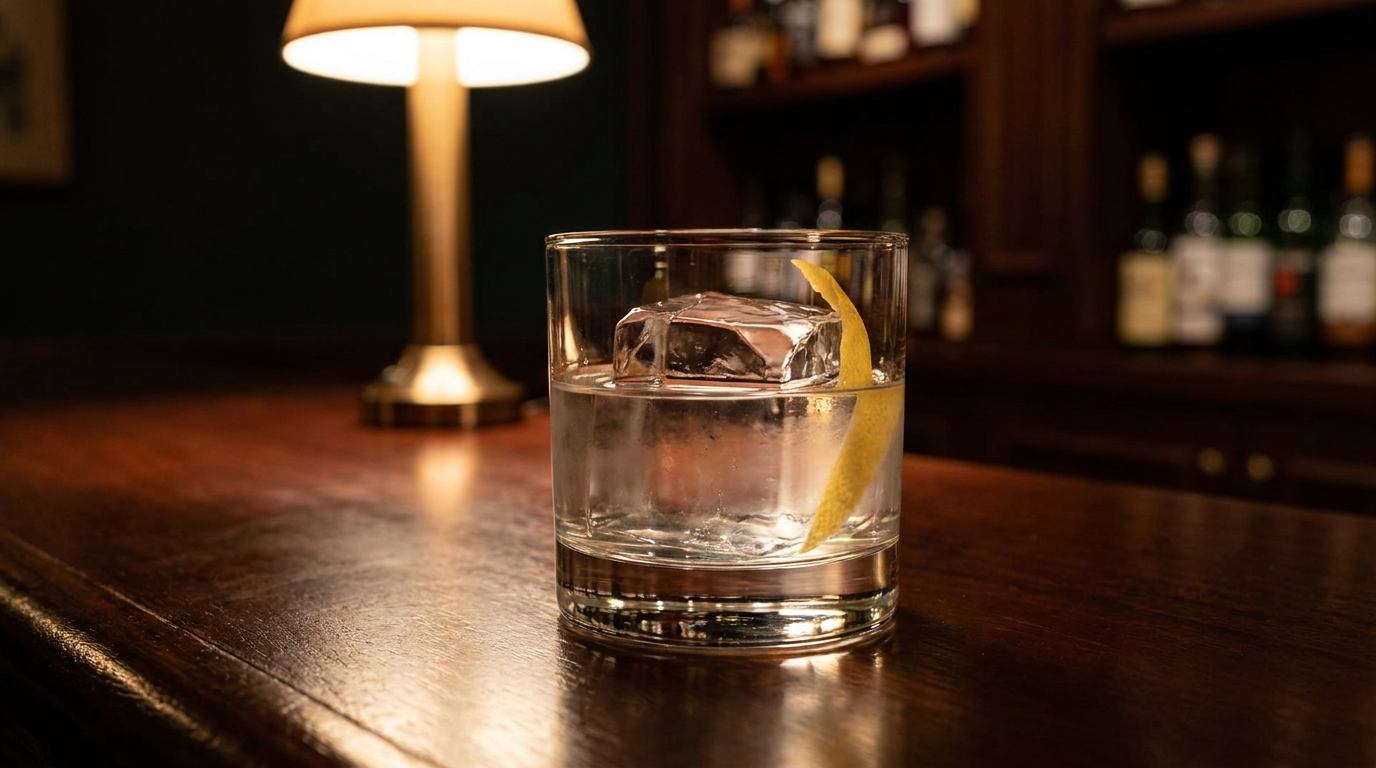
Walk into any of the world’s top cocktail bars today, order a complex drink featuring dark rum, black tea, and fresh citrus, and you may be surprised by what arrives. Instead of a murky, dark-brown liquid, the bartender slides a glass across the counter that looks indistinguishable from a glass of water. This visual deception is the result of cocktail clarification, a technique that has swept through modern mixology over the past decade. While bartenders use various methods—including agar-agar gels and high-speed centrifuges—the most revered and widely practiced technique is surprisingly low-tech: milk washing.[5][7]
The clarified milk punch is a paradox of culinary preparation. It requires taking a perfectly balanced, highly acidic cocktail and intentionally ruining it by dumping in whole milk until it curdles into a lumpy, unappetizing mess. Yet, after a few hours of patient filtration, that curdled mess yields a crystal-clear elixir with a texture and flavor profile that cannot be achieved through any other method. The process strips away the rough edges of the alcohol, leaving behind a drink that is visually striking and remarkably smooth on the palate.[2][3]
To understand how milk transforms a cocktail, one must look closely at the underlying chemistry of dairy proteins. Milk is essentially a complex emulsion of butterfat globules and proteins suspended in water. The most important of these proteins for the purposes of mixology is casein, which makes up approximately 80 percent of the total protein content in standard cow’s milk. Under normal conditions, these casein proteins are folded into compact, highly stable structures that float harmlessly in the liquid, scattering light and giving milk its characteristic opaque white appearance.[2][3]
When these stable proteins are introduced to a highly acidic environment—such as a cocktail containing significant amounts of lemon or lime juice—their electrical charge fundamentally changes. The sudden drop in pH causes the proteins to denature and unfold. As they lose their structure, they begin to clump together, forming the solid, spongy masses we recognize as curds. While curdled milk is usually a sign of spoilage to be avoided in the kitchen, in the context of a milk punch, these curds are the essential engines of clarification.[2][3]

As these curds form and expand, they act as a microscopic, chemical dragnet that sweeps through the entire liquid. Casein proteins have a remarkably strong affinity for polyphenols, the chemical compounds responsible for the dry astringency in black tea, the woody bite of barrel-aged spirits, and the dark color pigments found in fresh fruit juices. The unfolding proteins bind tightly to these polyphenol molecules, trapping them within the solid curds and permanently pulling them out of the surrounding liquid solution, effectively stripping the drink of its harshest elements.[2][3]
When the curdled mixture is finally poured through a fine filter—often just a standard paper coffee filter or a culinary jelly bag—the curds settle at the bottom to form a dense 'raft.' This raft acts as a highly effective secondary filtration layer. The liquid that slowly drips through this barrier is entirely stripped of its color, its harsh tannins, and its cloudy particulates, emerging on the other side as a pristine, translucent liquid that belies the complexity of its ingredients.[2][3]
However, achieving this crystal-clear result requires strict adherence to a specific order of operations. Culinary scientists and seasoned bartenders emphasize that the acidic cocktail must always be poured into the milk, never the other way around. If milk is poured directly into an acidic cocktail, the first drops of milk hit a highly acidic environment and curdle instantly. This forms tight, small curds that fail to bind with the surrounding polyphenols, resulting in a cloudy drink that retains its bitter notes.[2]
By pouring the cocktail slowly into the milk, the overall pH of the dairy drops gradually rather than instantaneously. This controlled, deliberate acidification allows the casein proteins to unfold slowly and maximize their available surface area before they fully coagulate into solids. The larger, more expansive curds that form during this gradual process are vastly more effective at trapping impurities and polyphenols, ensuring that the final filtration yields the brilliantly clear, polished liquid that defines a proper, professional-grade milk punch.[2]

By pouring the cocktail slowly into the milk, the overall pH of the dairy drops gradually rather than instantaneously.
The appeal of a clarified milk punch extends far beyond its transparent, visually striking aesthetic that has captivated social media. The true magic of the technique actually lies in what the milk leaves behind in the glass. While the casein proteins are entirely filtered out along with the bitter tannins and color pigments, milk's other primary proteins—whey proteins—remain fully dissolved in the clear liquid. These whey proteins do not coagulate in the presence of acid, meaning they pass effortlessly through the filter and into the final beverage.[2][3]
The presence of these invisible whey proteins imparts a remarkably silky, rounded mouthfeel to the final drink that cannot be replicated with simple syrups, gums, or standard ice dilution. This textural transformation softens the aggressive 'burn' of high-proof alcohol and integrates disparate, sharply contrasting flavors into a seamless, elegant whole. A milk-washed cocktail feels noticeably heavier and more luxurious on the palate than a standard shaken drink, providing a rich sensory experience that contrasts sharply with its crisp, water-like visual appearance.[2][3]
Despite its strong association with modern molecular gastronomy and contemporary high-end mixology, milk clarification is not a recent invention. The technique actually predates the modern cocktail era by several centuries, originating as a highly practical solution to a very real historical problem: beverage preservation. In the seventeenth and eighteenth centuries, mechanical refrigeration did not exist, and fresh citrus juice spoiled rapidly, making it incredibly difficult for households and taverns to store complex, fruit-based punches for any meaningful length of time without them turning rancid.[4][6]
By intentionally curdling a punch with hot milk and straining out the unstable organic matter, early mixologists discovered they could create a shelf-stable beverage. This clarified liquid could survive long, grueling ocean voyages or sit safely in a warm cellar for months without degrading in quality. The earliest known written recipe for a clarified milk punch appears in a 1711 cookbook authored by Mary Rockett, demonstrating that the underlying chemistry was understood and utilized long before it was scientifically documented.[4][6]
The technique quickly became highly favored among the era's political and social elite, spreading rapidly across the Atlantic. Benjamin Franklin famously enclosed his own personal recipe for a brandy-and-lemon milk punch in a detailed 1763 letter to James Bowdoin, the future governor of Massachusetts. The drink was considered an absolute staple of aristocratic entertaining, prized equally for its refined, delicate elegance and its unparalleled longevity in an era long before commercial ice machines and modern sanitation standards transformed the culinary world.[4][6]

The British royal family also enthusiastically embraced the clarified punch. Queen Victoria was a heavily documented enthusiast of the beverage, going so far as to issue a formal royal warrant in 1838 to Nathaniel Whisson, officially designating his company as the exclusive 'purveyor of milk punch to Her Majesty.' For decades, the clear, potent elixir served as a premier symbol of sophisticated hospitality, before eventually falling out of fashion in the late nineteenth century as fresh ice and mechanical refrigeration made standard, made-to-order cocktails the global norm.[6]
Today, that exact same historical longevity is driving the technique's massive resurgence in high-volume, contemporary cocktail bars around the world. Craft cocktails are notoriously labor-intensive, often requiring bartenders to meticulously measure, shake, strain, and garnish half a dozen different ingredients for a single order. During a busy weekend service, the sheer time required to build these complex drinks from scratch can lead to massive operational bottlenecks, frustrating both the hardworking bar staff and the thirsty guests waiting for their expensive beverages.[5][7]
Clarified milk punches offer an incredibly elegant operational solution to this modern hospitality problem. Because the spoilage-prone particulates and unstable organic compounds have been entirely stripped away during the filtration process, a bar program can safely prepare dozens of gallons of milk punch days or even weeks in advance. The clarified liquid can be securely bottled, refrigerated, and poured instantly over a single large ice cube during a busy service, delivering a profoundly complex, high-end cocktail experience to the guest in a mere fraction of the traditional preparation time.[5][7]

The technique has also evolved significantly in recent years to accommodate modern dietary preferences and allergen restrictions. While whole cow's milk remains the undisputed gold standard for clarification due to its ideal, highly effective ratio of fat and casein protein, innovative bartenders are successfully clarifying complex drinks using plant-based alternatives. Oat milk and soy milk, which contain just enough natural protein to trigger the necessary coagulation when exposed to citrus acid, are increasingly being used to create vegan-friendly clarified punches that still offer that signature silky texture.[6]
Ultimately, the clarified milk punch represents the perfect, harmonious intersection of rigorous culinary science, rich historical tradition, and modern hospitality demands. By looking backward to a 300-year-old preservation method born out of pure necessity, today's bartenders have found a brilliant way to push the boundaries of texture, flavor integration, and visual presentation. It is a powerful testament to the enduring ingenuity of the mixology craft, proving that sometimes the most futuristic-looking, mind-bending techniques served in a glass are actually deeply rooted in the practical wisdom of the distant past.[1]
How we got here
1688
The earliest known mention of milk punch is recorded in William Sacheverell's travelogue of the Scottish isle of Iona.
1711
Mary Rockett records the first known formal recipe for a clarified milk punch in her cookbook.
1763
Benjamin Franklin writes a letter to James Bowdoin enclosing his personal recipe for a brandy-and-lemon milk punch.
1838
Queen Victoria issues a royal warrant to Nathaniel Whisson, naming him the official purveyor of milk punch to the Crown.
Early 2000s
Modern craft bartenders rediscover the technique, sparking a global resurgence of clarified cocktails in high-end bars.
Viewpoints in depth
Culinary Scientists & Mixologists
Focus on the precise chemical mechanisms of protein binding and texture refinement.
For those approaching mixology from a scientific perspective, milk washing is fundamentally an exercise in controlled protein denaturation. They emphasize that the technique is not merely an aesthetic trick, but a precise chemical reaction where casein proteins act as a binding agent for polyphenols. This camp values the exact measurement of pH levels, the specific fat-to-protein ratios of different milks, and the retention of whey proteins to fundamentally alter the mouthfeel and viscosity of the final beverage.
Cocktail Historians
Focus on the 18th-century origins and the technique's original purpose as a preservation method.
Historians view the modern clarified cocktail trend as a revival of a highly practical, centuries-old survival technique. Rather than a modern molecular innovation, they point to figures like Mary Rockett and Benjamin Franklin, who utilized milk curdling simply to keep citrus-based punches from spoiling before the invention of refrigeration. For this camp, the beauty of the milk punch lies in its rich aristocratic history and its role in early global maritime travel, where shelf stability was a matter of necessity.
High-Volume Bar Operators
Value the technique primarily for its operational efficiency, batching capabilities, and speed of service.
From a hospitality management perspective, clarification is a powerful operational tool that solves the bottleneck of craft cocktail preparation. High-volume operators champion the technique because it allows complex, multi-ingredient drinks to be prepared, filtered, and bottled days in advance. By shifting the labor-intensive prep work to the daytime hours, bars can serve a highly sophisticated, premium-priced cocktail during a busy Friday night rush in the exact same time it takes to pour a glass of wine.
What we don't know
- The exact long-term flavor degradation curve of clarified cocktails stored for more than six months remains under-researched.
- How emerging lab-grown dairy proteins will perform in clarification compared to traditional cow's milk.
Key terms
- Casein
- The primary protein found in cow's milk that coagulates when exposed to acid, forming the curds necessary for cocktail clarification.
- Polyphenols
- Chemical compounds found in plants, tea, and oak barrels that are responsible for astringency and bitterness; they are stripped out during the milk-washing process.
- Whey
- The liquid proteins remaining after milk has been curdled and strained, which impart a silky, rounded mouthfeel to the final cocktail.
- Coagulation
- The chemical process where liquid proteins denature and clump together into solid masses, commonly known as curds.
Frequently asked
Can you use plant-based milk for clarification?
Yes. Oat milk and soy milk contain enough natural protein to trigger coagulation when exposed to acid, making them viable options for vegan-friendly clarified cocktails.
Does a clarified milk punch taste like milk?
No. The milk solids and curds are completely filtered out. The process leaves behind whey proteins that provide a silky texture, but the milky flavor is removed.
How long does a clarified cocktail last?
Because the spoilage-prone particulates and organic compounds are stripped away, a refrigerated clarified milk punch can last for weeks or even months without degrading.
Why must the cocktail be poured into the milk?
Pouring the acidic cocktail into the milk ensures a gradual drop in pH. This allows the proteins to unfold slowly and form larger curds that trap impurities more effectively.
Sources
Source coverage
7 outlets
3 viewpoints surfaced







[1]Factlen Editorial TeamCulinary Scientists
Synthesis by Factlen editorial team
Read on Factlen Editorial Team →[2]SevenFifty DailyCulinary Scientists
The Science of Clarified Cocktails
Read on SevenFifty Daily →[3]Alcohol ProfessorCulinary Scientists
How Does Milk Clarify Cocktails?
Read on Alcohol Professor →[4]Tasting HistoryCocktail Historians
Milk Punch
Read on Tasting History →[5]Club OenologiqueHigh-Volume Bar Operators
Clarified cocktails: why are clear drinks absolutely everywhere?
Read on Club Oenologique →[6]WikipediaCocktail Historians
Milk punch
Read on Wikipedia →[7]Bar Convent BerlinHigh-Volume Bar Operators
What is Milk Punch?
Read on Bar Convent Berlin →
Every angle. Every day.
Get food drink stories with full source coverage and perspective breakdowns delivered to your inbox.