
Major Returns and Heartbreaking Absences Define June's Global Rugby Finals and Tests
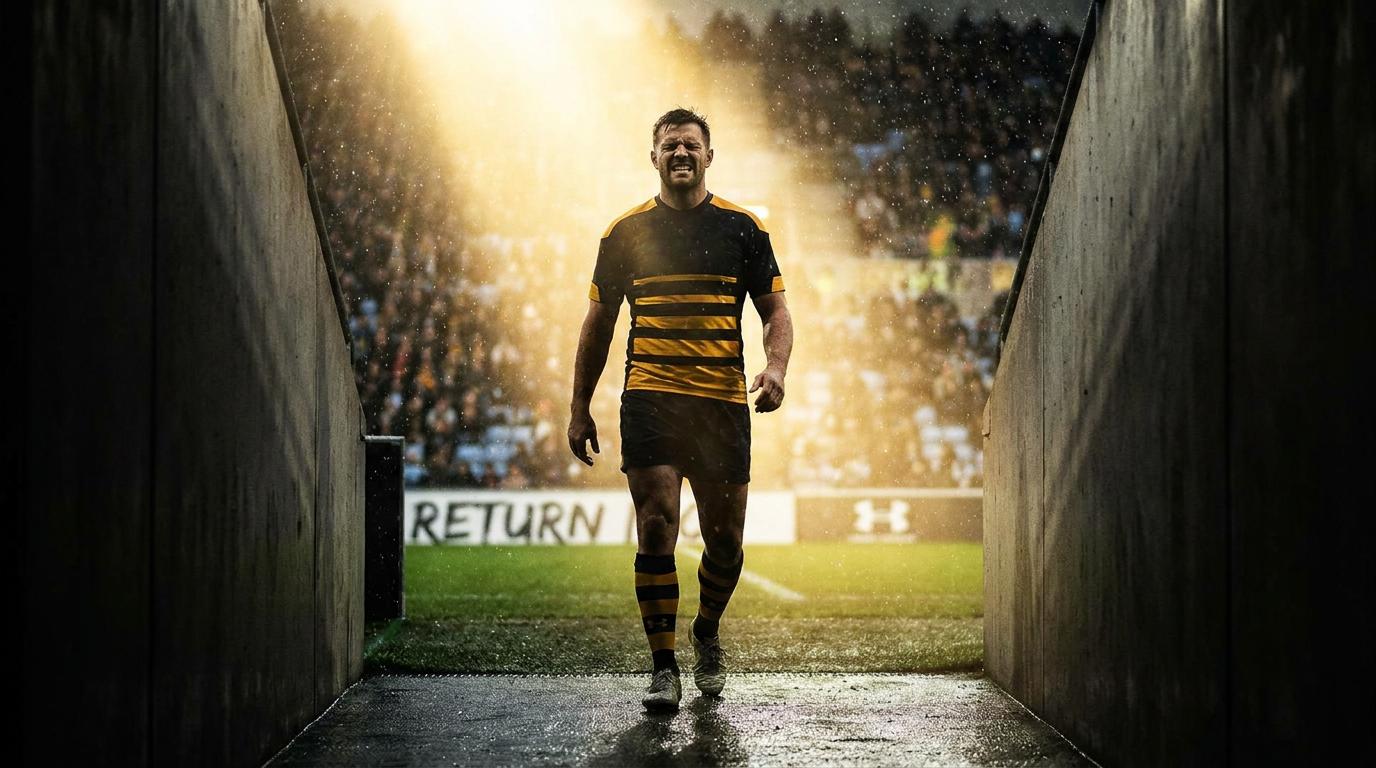
As domestic rugby leagues reach their grand finals and international test windows open, squads worldwide are navigating a complex landscape of injuries. Key players like Devan Flanders and Immanuel Feyi-Waboso are making timely returns, while stars like Scott Barrett and RG Snyman face extended stints on the sidelines.
By Factlen Editorial Team
- Club & National Coaches
- Focused on managing player welfare while fielding competitive sides during finals and test windows.
- Fans & Analysts
- Focused on how these absences and returns shift the competitive balance and tactical matchups.
- Player Welfare Advocates
- Emphasizing the physical toll of the modern rugby calendar and the importance of strict rehabilitation protocols.
What's not represented
- · The injured players themselves, detailing the mental toll of missing major finals.
- · Club medical staff, who manage the day-to-day rehabilitation timelines.
Why this matters
Injuries and medical clearances dictate the competitive balance of rugby's biggest matches. For fans and analysts, knowing exactly who is taking the field—and who is missing—is crucial for understanding the tactical matchups in these championship deciders and international tests.
Key points
- The Hurricanes welcome back flanker Devan Flanders from concussion for the Super Rugby Pacific Grand Final.
- All Blacks captain Scott Barrett is ruled out for up to five months following back surgery.
- Springboks scrumhalf Grant Williams and forward Pieter-Steph du Toit return from injury ahead of the Nations Championship.
- Western Force fly-half Grace Freeman returns to the pitch after a grueling 450-day rehabilitation for a foot injury.
As the global rugby calendar reaches its boiling point in June 2026, the physical toll of a grueling season is coming sharply into focus. With domestic leagues culminating in high-stakes grand finals and national teams assembling for the inaugural Nations Championship and summer test windows, squad depth is being tested like never before. Across both hemispheres, medical staffs are working around the clock to rehabilitate key personnel. While several marquee players are making timely, heroic returns to the pitch to chase silverware, others are facing heartbreaking spells on the sidelines, forced to watch the biggest matches of the year from the stands. This weekend’s injury reports read like a who’s who of international rugby, reshaping betting odds and tactical game plans across the sport.
In the Southern Hemisphere, all eyes are firmly fixed on the Super Rugby Pacific Grand Final in Wellington, where the Hurricanes and Chiefs are finalizing their matchday squads amidst a flurry of medical updates. The intensely physical nature of the semi-finals has left both rosters bruised, forcing head coaches Clark Laidlaw and Jono Gibbes to make critical late adjustments. For a winner-takes-all derby between two evenly matched New Zealand rivals, the availability of game-breaking talent is the ultimate deciding factor, and both camps have spent the week sweating over fitness tests and concussion protocols.[1]
The Hurricanes have received a monumental boost ahead of the decider, welcoming back a key piece of their forward puzzle. Dynamic flanker Devan Flanders has successfully navigated his mandatory return-to-play concussion protocols and will take his place in the starting back row. His return provides crucial ball-carrying momentum and defensive grit for a Hurricanes side looking to capitalize on their home-field advantage at a sold-out Hnry Stadium. Flanders’ availability offsets the loss of lock Caleb Delany, who remains sidelined due to his own concussion symptoms. The Hurricanes' ability to field a largely settled pack, anchored by Flanders' return, gives them a distinct physical edge as they attempt to secure the championship in front of their home supporters.[1][2]
Conversely, the visiting Chiefs are grappling with the loss of vital personnel at the worst possible time. Breakout No. 8 Wallace Sititi, who has been a revelation this season, remains sidelined under strict concussion protocols, leaving a massive void in their forward pack's carrying capacity. Furthermore, former Wallabies centre Lalakai Foketi has been officially ruled out with a calf injury sustained during their semi-final demolition of the Crusaders. Foketi’s absence forces a reshuffle in the midfield, with Kyle Brown stepping into the starting XV to fill the defensive and offensive responsibilities. Losing two highly impactful players requires the Chiefs to lean heavily on their wider squad depth, challenging their adaptability against the tournament's pace-setters.[1][2]

There is, however, a significant silver lining for the Chiefs' backline ambitions. Quinn Tupaea, who was recently crowned the 2026 Super Rugby Pacific Player of the Year, has been medically cleared to start. Tupaea left the semi-final early with an injury concern that sparked fears among the fanbase, but his rapid recovery ensures the Chiefs retain their primary midfield strike weapon. His presence alongside Damian McKenzie provides the Chiefs with the necessary attacking firepower to challenge the Hurricanes' defensive line in what promises to be a tightly contested championship clash. Tupaea's ability to break the gain line and distribute under pressure will be central to the Chiefs' strategy as they look to overcome their injury deficits and claim the title on the road.[2]
Beyond the club finals, the international scene is reeling from high-profile casualties that threaten to disrupt the upcoming test window. The All Blacks face a mounting injury crisis ahead of the July Nations Championship. Crusaders star Leicester Fainga'anuku sustained a fractured fibula during the first half of the semi-final loss to the Chiefs. Medical assessments have ruled the powerful flanker-turned-centre out for 10 to 12 weeks. While he will not require surgery, the timeline removes a versatile, tackle-busting powerhouse from head coach Dave Rennie's selection pool for the entirety of the July internationals. Fainga'anuku had been in stellar form, ranking among the competition leaders in offloads and tackle busts, making his absence a significant blow to New Zealand's physical presence in the midfield and loose forwards.[4]
Beyond the club finals, the international scene is reeling from high-profile casualties that threaten to disrupt the upcoming test window.
Fainga'anuku's heartbreak compounds the devastating news regarding All Blacks captain Scott Barrett. The veteran lock is undergoing surgery to correct an ongoing back problem that has plagued him throughout the Super Rugby season. The invasive procedure rules Barrett out for up to five months. Not only will he miss the Nations Championship tests against France, Italy, and Ireland, but he will also be entirely absent for New Zealand's highly anticipated historic tour to South Africa in August and September. The loss of their captain forces the All Blacks to identify new leadership and rebuild their tight five hierarchy. With Barrett sidelined, the burden falls on emerging locks to step up against some of the most formidable forward packs in world rugby, testing the depth of New Zealand's talent pool.[7]
In South Africa, Springboks head coach Rassie Erasmus is managing his own extensive casualty ward ahead of their season-opener against the Barbarians and the subsequent Nations Championship. The reigning world champions will be without towering lock RG Snyman, who suffered a ruptured ACL and has been officially ruled out for the entire 2026 season. The second-row crisis is exacerbated by the absence of Lood de Jager, who is recovering from hip surgery and is not expected back until August. Additionally, scrumhalf Morné van den Berg is facing up to six months out following surgery for a torn bicep. The sheer volume of injuries forces Erasmus to dig deep into his extended squad, presenting opportunities for uncapped youngsters and fringe players to prove their worth on the international stage.[3]

Despite the lengthy list of absentees, the Springboks are welcoming back crucial reinforcements just in time for the test window. Lightning-fast scrumhalf Grant Williams has fully recovered from his ongoing injury issues and is ready for the international season, providing a lethal attacking option around the fringes. Furthermore, talismanic forwards Pieter-Steph du Toit and Siya Kolisi are tracking positively in their rehabilitations from shoulder and calf issues, respectively. Their imminent return to full fitness provides a massive psychological and physical boost to the South African pack as they prepare to host the world's best. Having seasoned veterans like Kolisi and du Toit back in the mix ensures the Springboks retain their trademark physicality and leadership, balancing out the youthful inexperience forced by the broader injury crisis.[3]
In the Northern Hemisphere, the Gallagher Premiership Final at Twickenham sees the Exeter Chiefs and Northampton Saints colliding with near-full-strength squads, thanks to some timely medical clearances. Exeter has received a massive injection of international firepower, with England winger Immanuel Feyi-Waboso returning straight into the starting XV. Feyi-Waboso's explosive pace and finishing ability add a lethal dimension to the Chiefs' backline as they look to secure domestic glory. His return is a testament to the club's medical staff, who have worked tirelessly to ensure their marquee players are available for the season's showpiece event. The winger's presence forces the Northampton defense to account for threats across the entire width of the pitch, altering the tactical landscape of the final.[5]
Exeter's forward pack is also fortified by the return of Ethan Roots, who has successfully completed his mandatory return-to-play protocols. Roots slots back into the back row, bringing his characteristic work rate and breakdown expertise to a forward pack tasked with dismantling the defending champion Saints. These crucial additions give head coach Rob Baxter a formidable, battle-tested lineup. The ability to field returning stars in a championship match often provides an immeasurable emotional lift, and Exeter will be leaning on that momentum as they step onto the hallowed turf at Twickenham. With both Feyi-Waboso and Roots back in action, the Chiefs are fielding one of their most potent combinations of the year, setting the stage for a fiercely contested battle for the Premiership trophy.[5]
Finally, in Australia, newly appointed Wallabies head coach Joe Schmidt has named his first squad for the Nations Championship, balancing frustrating injury losses with highly anticipated returns. Scrumhalf Tate McDermott and fullback Tom Wright have both been medically cleared to return from their respective injury absences. Their availability injects vital experience, speed, and playmaking ability into a Wallabies backline looking to establish a new identity under Schmidt. The return of these dynamic backs offers Australian fans a glimmer of hope ahead of challenging fixtures against Ireland, France, and Italy. McDermott's tempo at the base of the ruck and Wright's counter-attacking flair from the backfield will be central to Schmidt's offensive game plan as he rebuilds the national side.[6]

However, the Wallabies will have to navigate their upcoming tests without the services of powerhouse lock Will Skelton. The towering forward, who serves as the emotional and physical anchor of the Australian pack, has been ruled out for the season with a severe Achilles injury. Skelton's absence leaves a massive hole in the Wallabies' set-piece and tight-loose exchanges, forcing Schmidt to test the depth of his forward reserves immediately. Across all hemispheres, the ability of medical teams to rehabilitate key personnel—and the depth of squads to cover those who cannot return—will ultimately decide the hardware handed out in June and July. As the sport's elite navigate this grueling period, the resilience of these athletes and the strategic adaptability of their coaches will be the defining narratives of the summer rugby calendar.[6]
In perhaps the most uplifting medical news of the month, Western Force fly-half Grace Freeman is set to make her long-awaited return to the pitch. More than 450 days after suffering a significant foot injury against the Fijian Drua during the 2024 Super Rugby Women's season, Freeman has been named to start against the Queensland Reds. Her grueling rehabilitation journey has been a testament to her resilience and dedication to the sport. Returning to professional rugby after such an extended and physically demanding layoff provides a massive emotional boost not just for the Force, but for fans of the women's game worldwide. Freeman's comeback serves as a powerful reminder of the human element behind the injury reports, highlighting the triumph of perseverance over career-threatening setbacks as she finally steps back onto the grass.[8]
How we got here
March 2025
Grace Freeman suffers a severe foot injury against the Fijian Drua.
May 2026
All Blacks captain Scott Barrett is ruled out for five months due to back surgery.
June 12, 2026
Leicester Fainga'anuku fractures his fibula in the Super Rugby semi-final.
June 19, 2026
Squads are finalized for the Super Rugby Pacific and Premiership Grand Finals, confirming key returns.
Viewpoints in depth
Club & National Coaches
Balancing immediate success with long-term player welfare.
For coaches like Rassie Erasmus and Joe Schmidt, the June window presents a massive logistical challenge. They must field competitive sides to win immediate silverware while simultaneously managing the physical toll on their athletes. The strategy often involves leaning heavily on extended squad depth and trusting uncapped youngsters to fill the void left by injured veterans. Coaches emphasize that while injuries are frustrating, they inherently build the squad depth required to survive a grueling World Cup cycle.
Player Welfare Advocates
Highlighting the physical toll of the modern rugby calendar.
Medical professionals and welfare advocates point to the sheer volume of long-term injuries—such as ACL ruptures and back surgeries—as evidence of the sport's brutal physical demands. They argue that the overlapping domestic and international calendars leave players with insufficient recovery time. The strict enforcement of concussion protocols, which have sidelined players like Wallace Sititi for major finals, is championed by this camp as a necessary, non-negotiable evolution in protecting athletes' long-term brain health.
Fans & Analysts
Analyzing how injuries shift the competitive balance of major tournaments.
For analysts and the betting public, injury reports are the most critical piece of pre-match intelligence. The return of a game-breaking winger like Immanuel Feyi-Waboso or a dynamic flanker like Devan Flanders completely alters the tactical matchups and point spreads of a grand final. Analysts note that championships are rarely won by the best starting XV, but rather by the squad that can best absorb injuries and maintain their structural integrity through their bench and reserve players.
What we don't know
- How the All Blacks will restructure their tight five and leadership group in the long-term absence of Scott Barrett.
- Whether the Chiefs' reshuffled midfield can contain the Hurricanes' attack without Lalakai Foketi.
Key terms
- Return-to-play protocols
- A mandatory, step-by-step medical process a player must pass after a concussion before they are allowed to play again.
- ACL
- Anterior cruciate ligament; a key ligament in the knee that, when ruptured, typically requires surgery and a year of rehabilitation.
- Nations Championship
- A new international rugby competition featuring top national teams from both the Northern and Southern Hemispheres.
- Tight five
- The front row and second row forwards in a rugby team, responsible for the heavy pushing in scrums and lifting in lineouts.
Frequently asked
Why is Scott Barrett missing the Nations Championship?
The All Blacks captain is undergoing surgery to correct an ongoing back problem, ruling him out for up to five months.
Who is returning for the Hurricanes in the Super Rugby Final?
Dynamic flanker Devan Flanders has successfully completed concussion protocols and will start in the back row.
How long was Grace Freeman injured?
The Western Force fly-half was sidelined for over 450 days after suffering a significant foot injury in early 2025.
Are the Springboks missing any key forwards?
Yes, the reigning world champions are without RG Snyman (ACL) and Lood de Jager (hip) for the start of their international season.
Sources
Source coverage
8 outlets
3 viewpoints surfaced







[1]Super Rugby OfficialClub & National Coaches
2026 Super Rugby Pacific Injury/Unavailability List: Grand Final
Read on Super Rugby Official →[2]PMN NewsClub & National Coaches
Stage set for Super Rugby showdown
Read on PMN News →[3]The South AfricanFans & Analysts
Springboks on the sidelines: Latest injury report
Read on The South African →[4]RugbyPassPlayer Welfare Advocates
Leicester Fainga'anuku out of All Blacks contention with broken leg
Read on RugbyPass →[5]RUCKFans & Analysts
CONFIRMED: Two England stars return from injury ahead of Nations Championship
Read on RUCK →[6]SuperSportFans & Analysts
'Old dog' Slipper out of retirement for Wallabies' Nations Championship campaign
Read on SuperSport →[7]Macau Daily TimesPlayer Welfare Advocates
All Blacks captain Barrett to miss the Nations Championship
Read on Macau Daily Times →Freeman set for Western Force return more than 450 days after injury
Read on RugbyPass →
More in sports
See all 12 stories →NWSL Growth
NWSL Hits Record 138 International Call-Ups, Launches 'Summer of Soccer' Tour During World Cup Break
6 sources
Standings
VNL 2026 Standings: Brazil Sets the Pace as Expanded Nations League Heats Up
6 sources
Injury
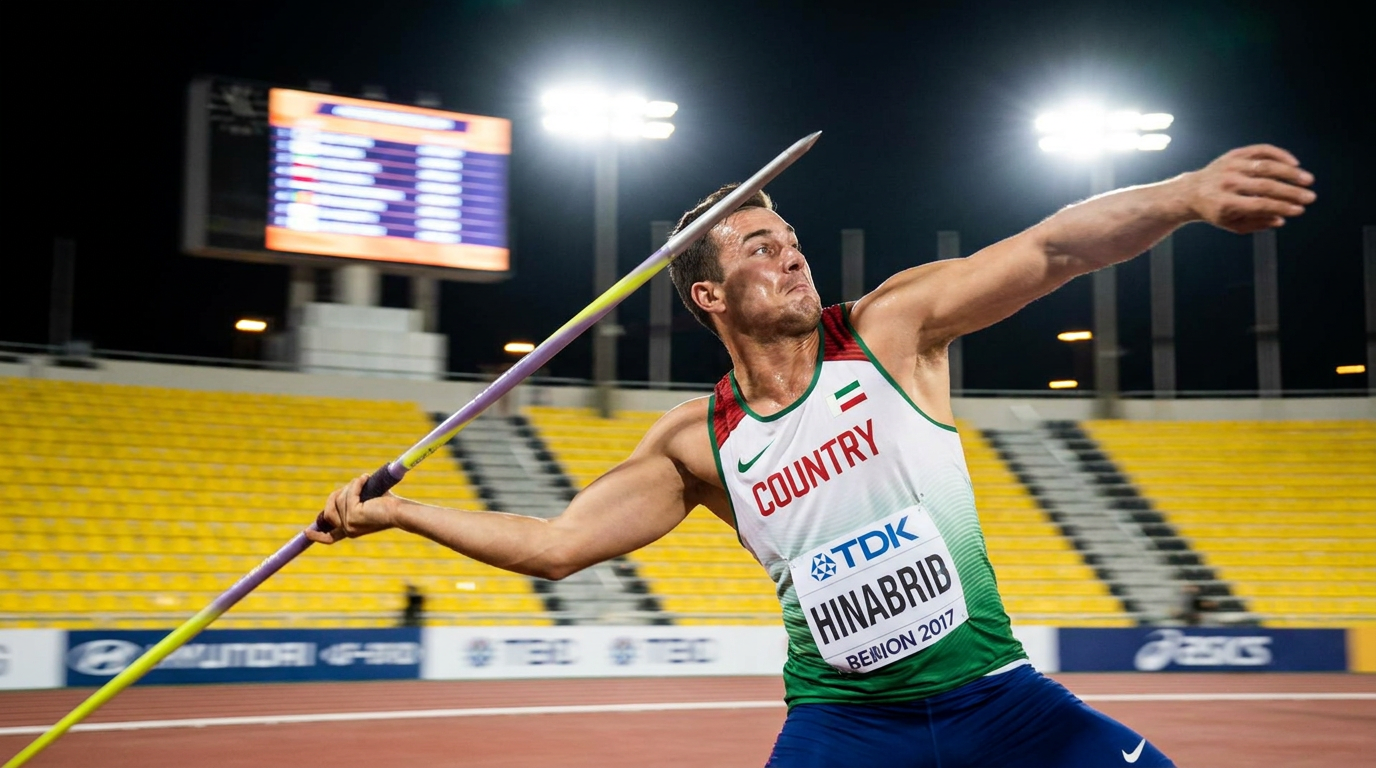
Neeraj Chopra Returns From 9-Month Injury Layoff at Doha Diamond League, Secures Commonwealth Games Spot
6 sources
Tennis Breakthrough
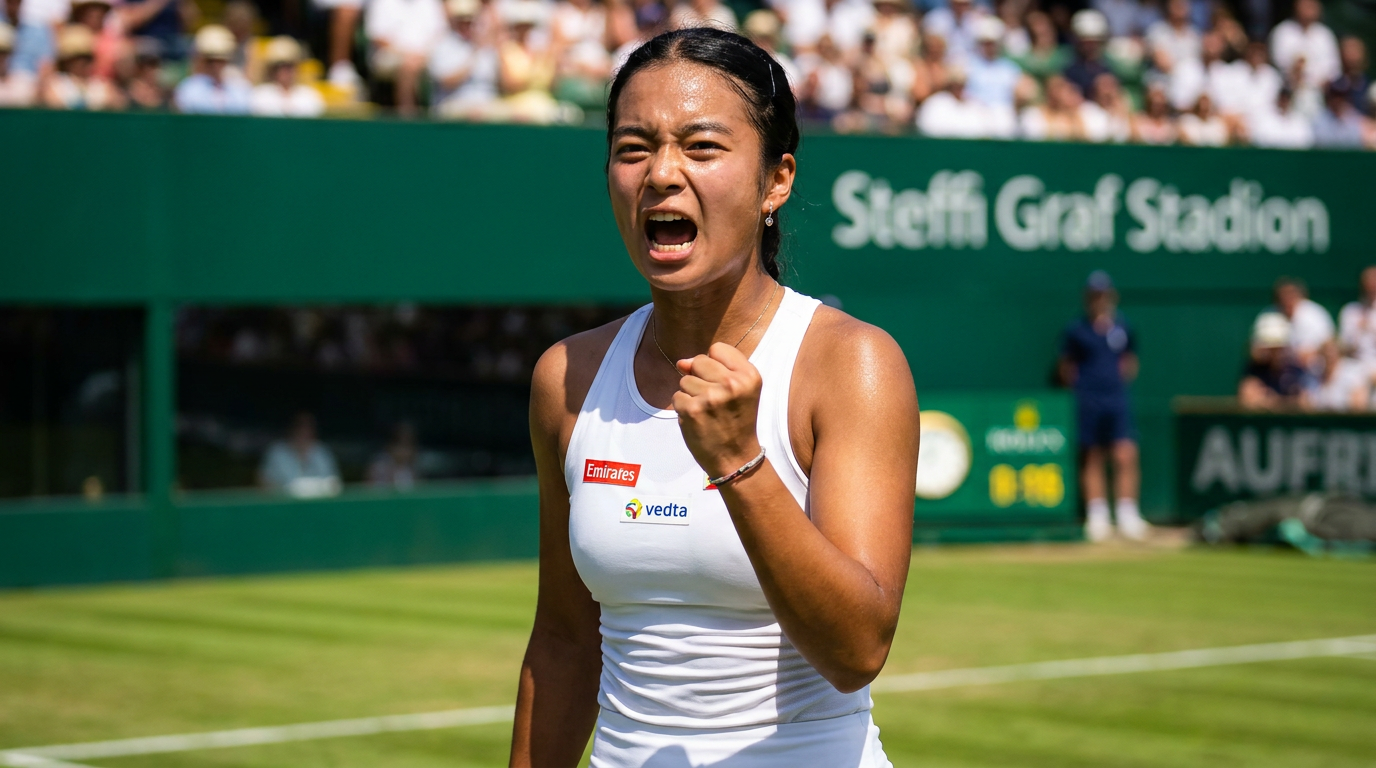
Alexandra Eala Stuns Svitolina to Reach Berlin Open Semifinals Following Rybakina Upset
7 sources
Every angle. Every day.
Get sports stories with full source coverage and perspective breakdowns delivered to your inbox.