
How Open-Source AI is Empowering Communities to Save Endangered Languages
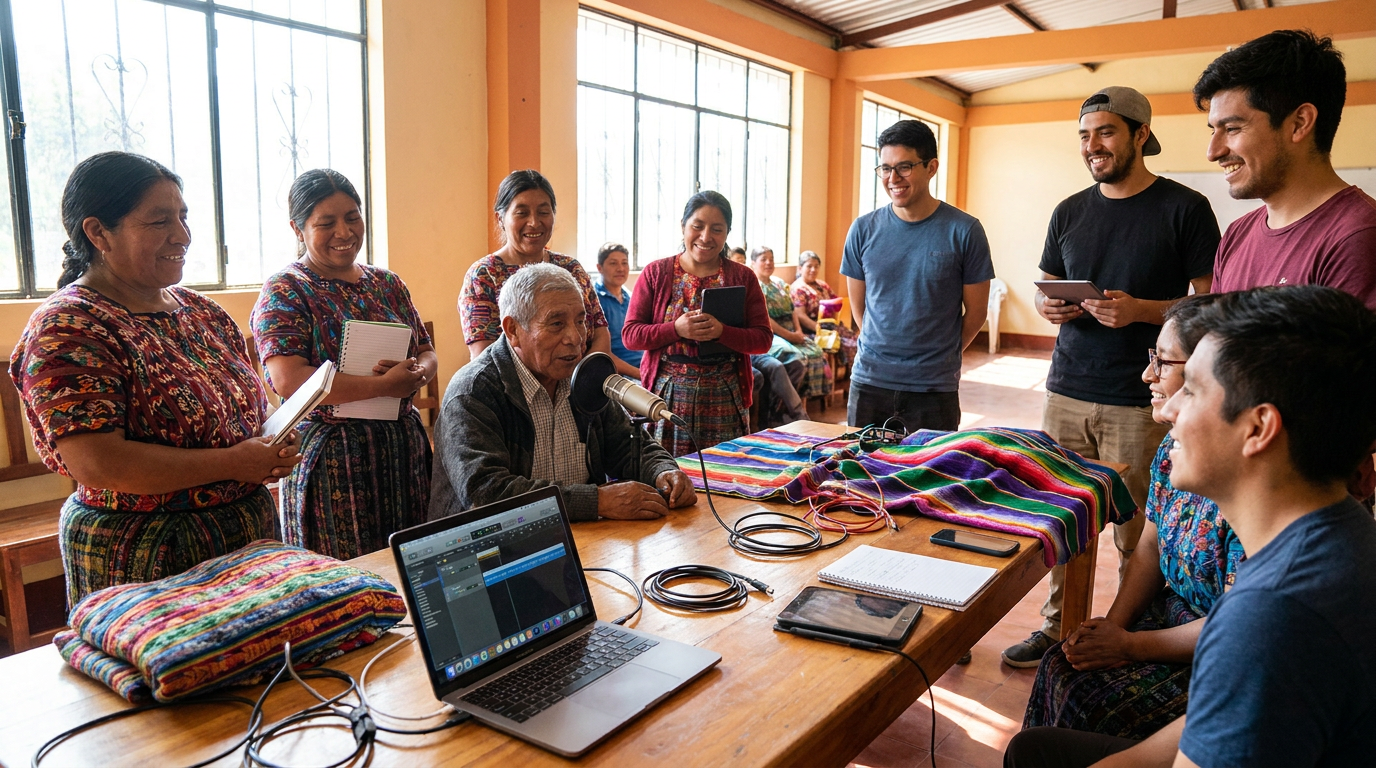
Grassroots researchers and indigenous communities are using open-source artificial intelligence to digitize and preserve low-resource languages, fighting back against a digital landscape that historically favored Western tongues.
By Factlen Editorial Team
Indigenous & Local Communities 45%Open-Source Technologists 35%Linguistic Anthropologists 20%
- Indigenous & Local Communities
- Advocate for AI sovereignty and local ownership of language data.
- Open-Source Technologists
- Focus on building accessible, lightweight AI models and public datasets.
- Linguistic Anthropologists
- Emphasize the urgency of documentation while warning of AI's inability to capture oral nuances.
What's not represented
- · Elders who prefer strictly oral traditions without digital intervention
- · Governments managing official national language policies
Why this matters
Language is the vessel for a culture's history, medicine, and worldview. By democratizing the AI tools needed to digitize these languages, communities can ensure their heritage survives the digital age without surrendering control of their data to foreign tech giants.

More in meta
See all 63 stories →Local AI
The Era of Local AI: Why Small Language Models Are Taking Over Our Devices
7 sources

Digital Culture
The Rise of the 'Cozy Web': Why the Internet is Retreating to Private Spaces
8 sources

University Rankings
QS vs. THE vs. ARWU: How the Big Three University Rankings Actually Work
7 sources

Information Hygiene
How to Evaluate Scientific Studies: An Expert Guide to Reading Past the Headline
6 sources

Stay informed
Every angle. Every day.
Get meta stories with full source coverage and perspective breakdowns delivered to your inbox.