
How Freestyle Chess is Rewriting the Rules of the World's Oldest Game
By shuffling the starting position of the pieces, Freestyle Chess eliminates opening memorization and forces players to rely on pure intuition from move one.
By Factlen Editorial Team
- Freestyle Advocates
- Believe randomizing the back rank saves chess from engine-driven memorization and rewards pure talent.
- Casual Fans
- Prefer the immediate action, unpredictability, and higher decisive-game rate that Freestyle Chess provides.
- Classical Purists
- Value the rich history, deep strategic understanding, and centuries of literature built around traditional chess openings.
What's not represented
- · Chess Engine Developers
- · Scholastic Chess Coaches
Why this matters
By stripping away the advantage of rote memorization, Freestyle Chess returns the game to its roots as a pure battle of intellect and creativity. For fans, it means more exciting, unpredictable matches from move one, fundamentally changing how the world's oldest game is played at the elite level.
Key points
- Freestyle Chess shuffles the back-rank pieces into one of 960 possible starting positions.
- The format eliminates the need for players to memorize deep opening theory.
- Magnus Carlsen won the first official FIDE Freestyle Chess World Championship in February 2026.
- Chess engines evaluate the average Freestyle starting position as slightly more balanced than standard chess.
- The variant forces players to rely on pure calculation and creativity from the very first move.
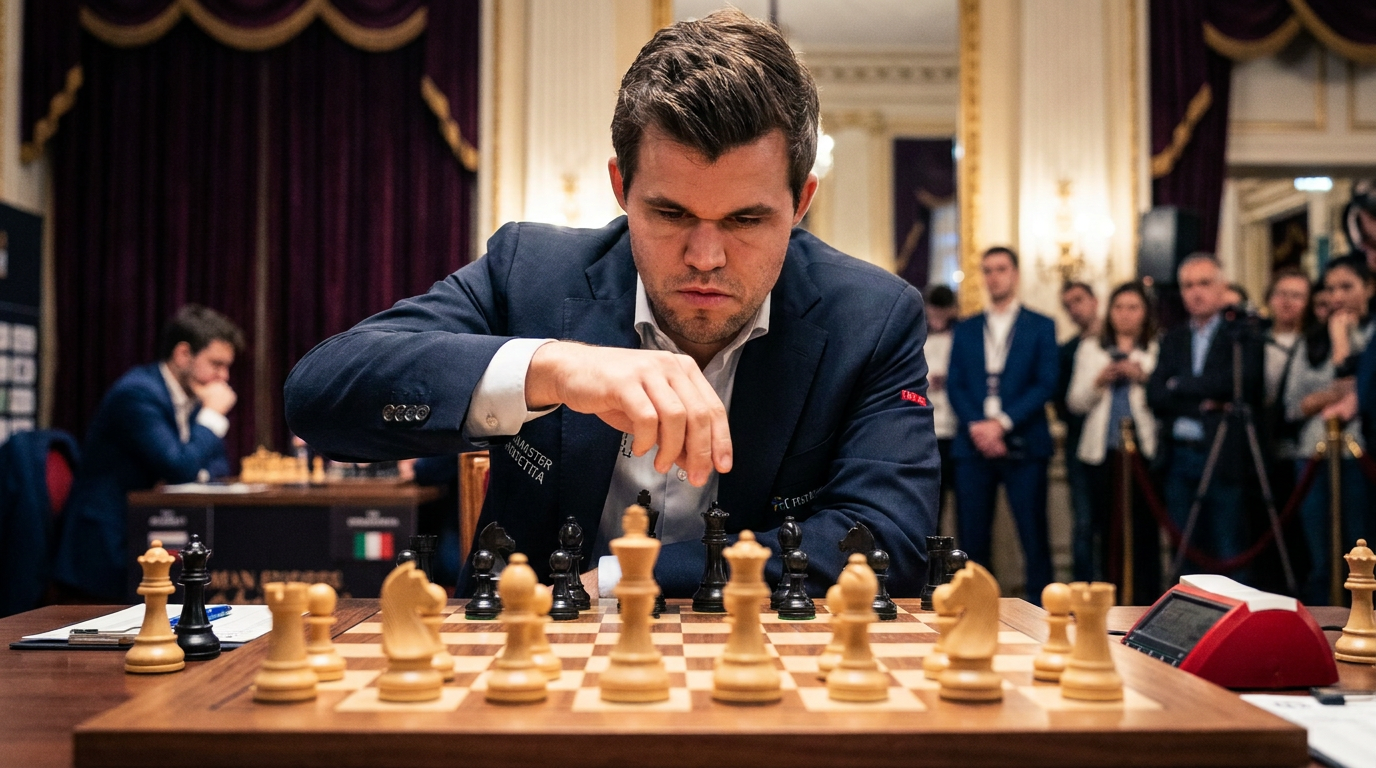
In February 2026, the landscape of elite chess shifted permanently when Magnus Carlsen defeated Fabiano Caruana at the Schloss Weissenhaus resort in Germany. The victory secured Carlsen's 21st world title, but the hardware was secondary to the format. Carlsen had just won the inaugural FIDE Freestyle Chess World Championship, cementing the legitimacy of a variant he has aggressively championed to save the game from the computer age.[1][2]
To understand why Freestyle Chess has captured the attention of the world's best players, one must understand the modern crisis in classical chess: the suffocating dominance of "opening theory."[3][4]
For decades, grandmasters have utilized increasingly powerful supercomputers to calculate the absolute best moves from the standard chess starting position. At the elite level, players routinely memorize these engine-approved sequences 20 to 30 moves deep.[4][6]
This technological arms race has turned the first hour of a world-class match into a memory test rather than a battle of wits. Players often blitz out their prepared moves, reaching a drawn endgame without ever having to think creatively or solve a novel problem at the board.[3][4]

Enter Chess960, originally known as Fischer Random Chess. Invented by the eccentric 11th World Champion Bobby Fischer in 1996, the variant offers a brilliantly simple solution to the memorization problem: it scrambles the pieces on the back rank.[4][5]
While the eight pawns remain in their traditional starting spots on the second and seventh ranks, the major and minor pieces—the rooks, knights, bishops, queen, and king—are shuffled into one of 960 possible starting configurations.[3][5]
The setup is not entirely chaotic; it follows strict mathematical rules to ensure a balanced and playable game. The two bishops must always be placed on opposite-colored squares, and the king must sit somewhere between the two rooks.[3][4]
This single modification completely obliterates opening theory. With 960 distinct starting positions, it is mathematically impossible for any human to memorize the optimal opening lines for every scenario.[4][5]

This single modification completely obliterates opening theory.
From the very first move, players are thrown into uncharted territory. They must rely on fundamental chess principles, pattern recognition, and pure calculation rather than reciting their pre-game preparation.[3][6]
Supercomputers have actually confirmed the viability of Fischer's invention. When analyzing all 960 positions, the open-source chess engine Stockfish found an average advantage for White of just +0.18. This makes the average Freestyle position slightly more balanced than the standard classical starting position, which Stockfish evaluates at +0.22.[4]
The only rule that requires a slight mental adjustment for players and fans alike is castling. Because the king and rooks start on different squares in every game, the castling maneuver can look highly unusual in motion.[3][5]

However, the rule is designed for elegance: regardless of where the pieces begin, after castling, the king and rook land on the exact same squares they would occupy in a classical chess game.[3][5]
Despite its brilliance, Fischer Random remained a niche variant for decades, occasionally played in exhibition matches but rarely treated with the reverence of classical chess.[4][6]
That perception shifted dramatically when German entrepreneur Jan Henric Buettner partnered with Carlsen to rebrand the variant as "Freestyle Chess." They argued the new name was more marketable and better captured the creative spirit of the format.[4][6]
The rebrand was accompanied by a massive influx of capital, launching the Freestyle Chess Grand Slam Tour in 2025. This elevated the variant from a casual online novelty to a high-stakes professional circuit with hundreds of thousands of dollars on the line.[4][6]

The momentum culminated in early 2026, when FIDE—the international governing body of chess—officially partnered with Freestyle Chess Operations. By sanctioning the Weissenhaus tournament as an official World Championship, FIDE signaled that the variant is now a permanent pillar of the sport.[1][2]
How we got here
1996
Bobby Fischer introduces the rules for Fischer Random Chess to the public.
2019
FIDE hosts its first unofficial Fischer Random World Championship.
2024
Entrepreneur Jan Henric Buettner and Magnus Carlsen launch the Freestyle Chess G.O.A.T. Challenge.
2025
The inaugural Freestyle Chess Grand Slam Tour establishes a season-long professional circuit.
Feb 2026
Magnus Carlsen wins the first official FIDE Freestyle Chess World Championship in Weissenhaus, Germany.
Viewpoints in depth
Freestyle Advocates
Proponents argue that randomizing the back rank saves chess from engine-driven memorization.
For players like Magnus Carlsen and organizers like Jan Henric Buettner, classical chess is suffering from an over-reliance on computer preparation. They argue that at the highest levels, the game has become a test of who can memorize the deepest engine lines rather than who can play the best chess. Freestyle Chess strips away this artificial advantage, forcing players to rely on their raw talent, pattern recognition, and creativity from the very first move. They view this not as a novelty, but as the necessary evolution of the sport in the AI era.
Classical Purists
Traditionalists value the rich history and deep strategic understanding of classical openings.
Many chess historians and classical purists feel that opening theory is a beautiful and integral part of the game. Centuries of human thought have gone into developing systems like the Ruy Lopez and the Sicilian Defense, creating a rich literature that connects modern players to the champions of the past. For this camp, discarding the standard starting position means losing the deep, long-term strategic plans that define classical chess, replacing them with chaotic, tactical brawls that lack historical continuity.
Casual Fans
Spectators prefer the immediate action and unpredictability of the randomized format.
From an entertainment perspective, Freestyle Chess solves one of the sport's biggest broadcast problems: the high draw rate and incomprehensible opening phases. Casual fans often tune out when grandmasters blitz through 20 moves of known theory only to agree to a draw. By forcing players to think independently on move two, Freestyle Chess creates immediate tension, time scrambles, and a much higher percentage of decisive games, making the sport significantly more accessible and thrilling for the viewing public.
What we don't know
- Whether Freestyle Chess will eventually replace classical chess as the primary format for the World Chess Championship, or if the two will co-exist as separate disciplines.
- How the development of new, specialized AI engines trained specifically on Chess960 might eventually create 'opening theory' for the most common randomized positions.
Key terms
- Chess960
- The original name for Freestyle Chess, referring to the 960 possible starting positions of the pieces.
- Opening Theory
- The vast body of analyzed and memorized sequences of moves at the beginning of a standard chess game.
- Stockfish
- The world's most powerful open-source chess engine, used by grandmasters to analyze positions and evaluate advantages.
- Castling
- A special move involving the king and a rook, designed to protect the king and activate the rook.
- Fischer Random
- The original name given to the variant by its inventor, former World Champion Bobby Fischer.
Frequently asked
How many starting positions are there in Freestyle Chess?
There are exactly 960 possible starting positions, which is why the variant is also known as Chess960.
Can you still castle in Freestyle Chess?
Yes. While the king and rooks start on different squares, castling places them on the exact same final squares as in standard chess.
Who invented the format?
The 11th World Chess Champion, Bobby Fischer, introduced the rules for "Fischer Random Chess" in 1996.
Is Freestyle Chess officially recognized?
Yes. In 2026, the International Chess Federation (FIDE) hosted the first official FIDE Freestyle Chess World Championship.
Sources
Source coverage
6 outlets
3 viewpoints surfaced






[1]FIDEFreestyle Advocates
Magnus Carlsen wins 2026 FIDE Freestyle World Championship
Read on FIDE →[2]ChessbaseCasual Fans
Magnus Carlsen secures 2026 FIDE Freestyle Chess World Championship
Read on Chessbase →[3]Chess.comFreestyle Advocates
What Is Chess960? | Fischer Random Chess Explained
Read on Chess.com →[4]WikipediaClassical Purists
Chess960
Read on Wikipedia →[5]House of StauntonClassical Purists
Introduction To Chess960
Read on House of Staunton →[6]Factlen Editorial TeamFreestyle Advocates
Synthesis by Factlen editorial team
Read on Factlen Editorial Team →
More in sports
See all 11 stories →PDC ProTour
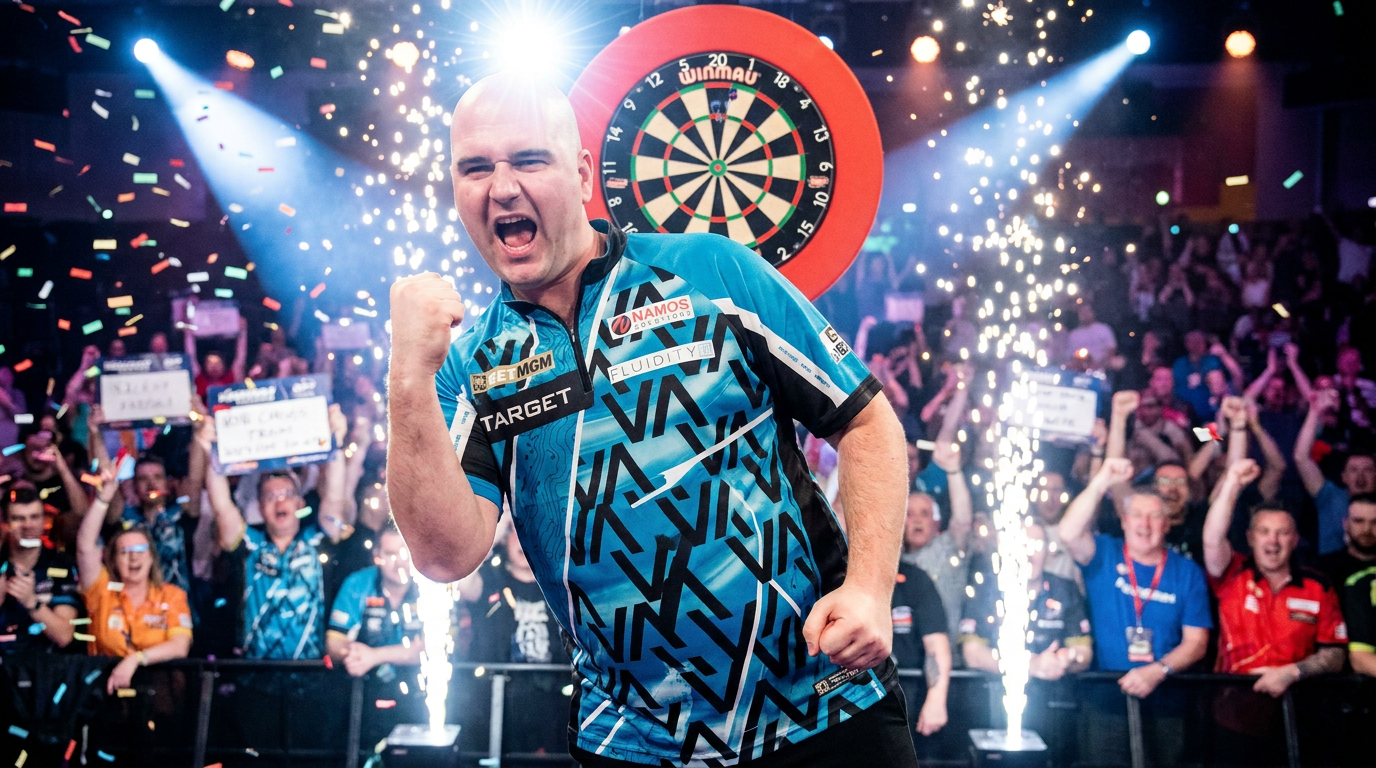
Rob Cross Defeats Stephen Bunting 7-3 in Dazzling Players Championship 22 Semi-Final
3 sources
Heat Science
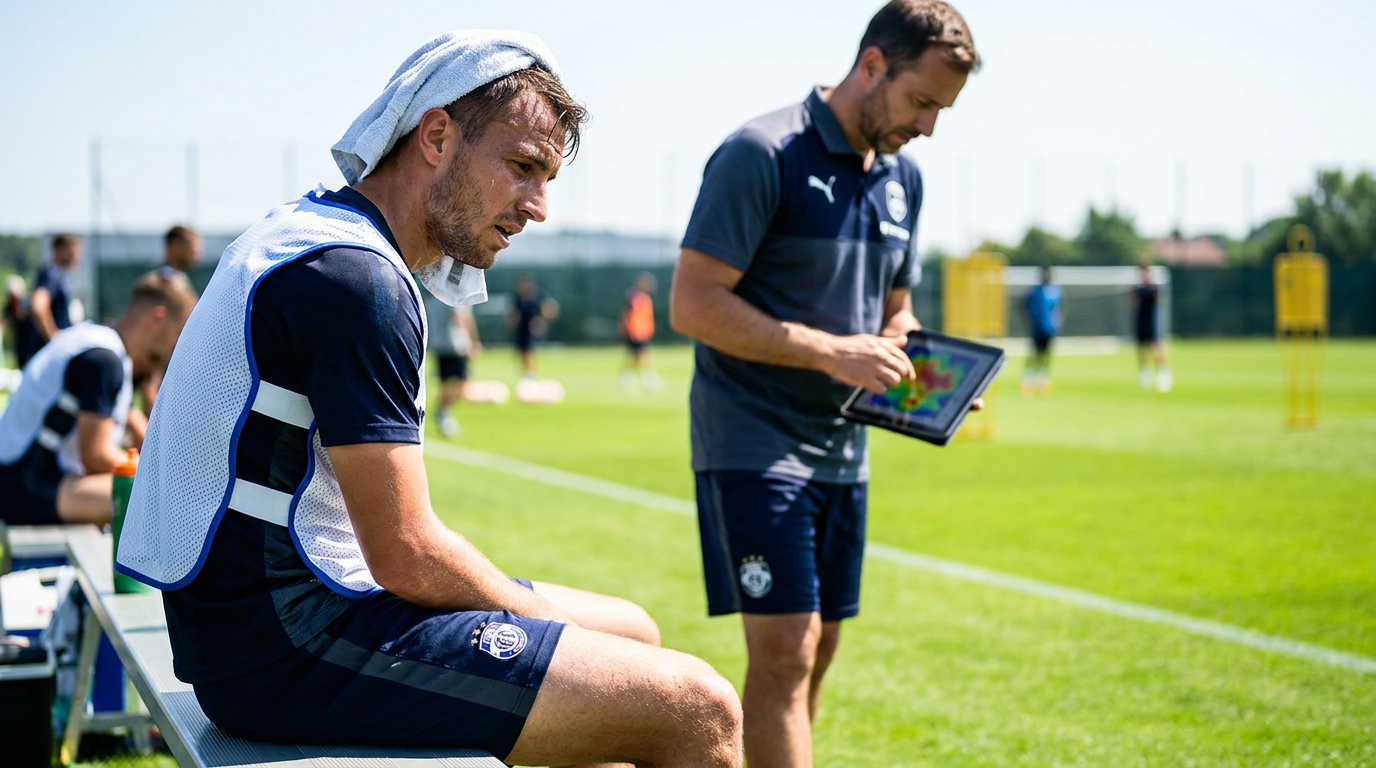
The Evidence Pack: How Sports Science is Beating Extreme Heat at the 2026 World Cup
6 sources
Women's Super League
Mary Earps Returns to the WSL in Blockbuster Signing for London City Lionesses
7 sources
ProTour Breakthrough
Maik Kuivenhoven Edges Tom Bissell in Thrilling Decider to Reach Maiden PDC Final
6 sources
Every angle. Every day.
Get sports stories with full source coverage and perspective breakdowns delivered to your inbox.