
How End-to-End Neural Networks Are Giving Humanoid Robots the Gift of General Intelligence
The robotics industry is abandoning rigid, hard-coded programming in favor of Vision-Language-Action models. These massive neural networks allow humanoid robots to learn complex physical tasks simply by observing human movement.
By Factlen Editorial Team

- End-to-End Purists
- Argue that single neural networks mapping pixels directly to torque are the only scalable path to general-purpose robotics.
- Hybrid Systems Engineers
- Believe high-level neural networks must be paired with traditional control algorithms to guarantee physical safety and stability.
- Open-Weight Researchers
- Focus on democratizing robotic foundation models to prevent a few massive tech companies from monopolizing physical AI.
What's not represented
- · Labor Unions and Workforce Advocates
- · Regulatory and Safety Compliance Officers
Why this matters
The transition from hard-coded programming to end-to-end neural networks is unlocking general-purpose robots that can learn physical tasks simply by observing them. This breakthrough paves the way for machines that can seamlessly adapt to unpredictable environments, from factory floors to domestic kitchens, without requiring a human engineer to write a single line of new code.

More in ai
See all 142 stories →AI Hardware
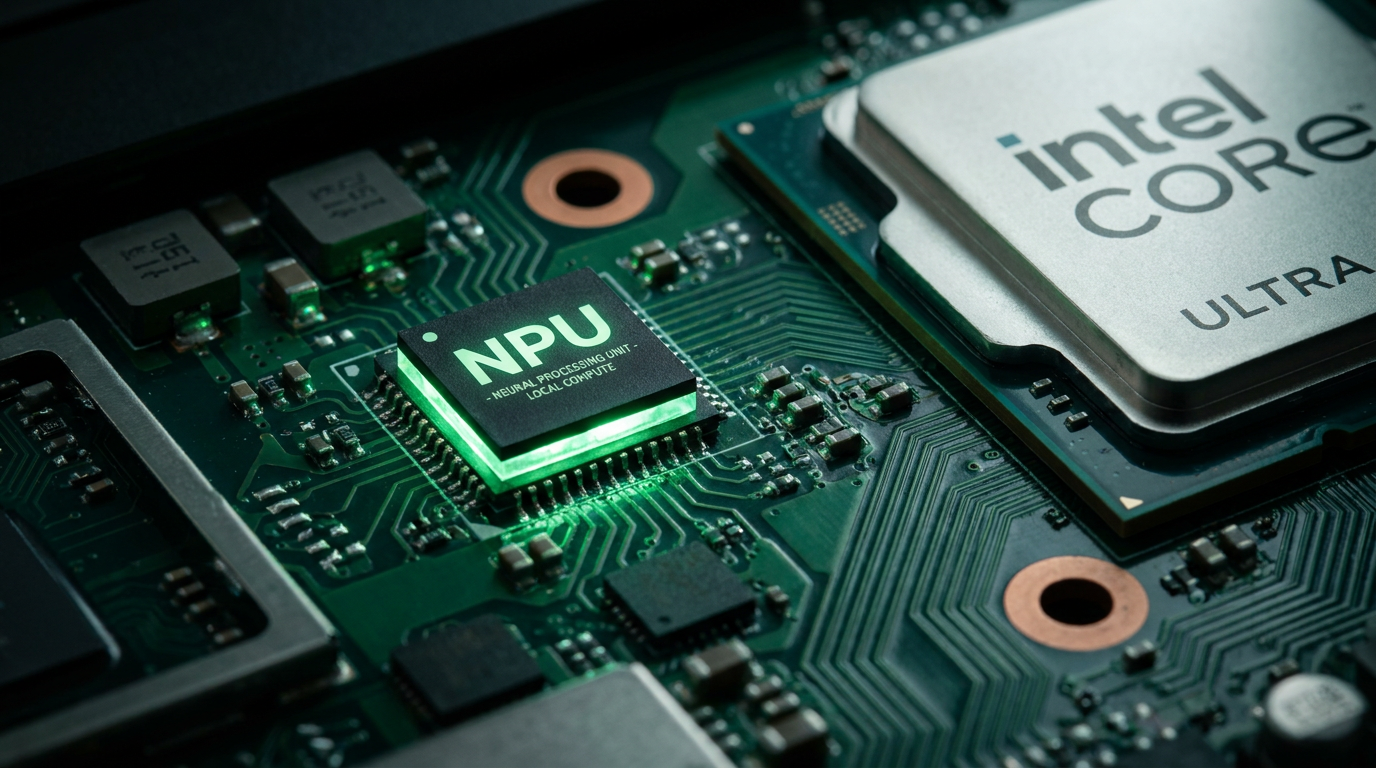
Inside the NPU: How Neural Processing Units Are Rewiring the Modern PC
8 sources
Agentic AI
How Open-Source AI Agents Are Automating Everyday Tasks in 2026
9 sources

Medical AI
UK Launches First-of-its-Kind AI Sandbox to Accelerate Safe Medicine Development
7 sources

Local Inference
How Running AI Locally Became the Standard for Privacy and Productivity in 2026
10 sources

Every angle. Every day.
Get ai stories with full source coverage and perspective breakdowns delivered to your inbox.