
How Bidirectional Charging is Turning EVs into Home Power Plants
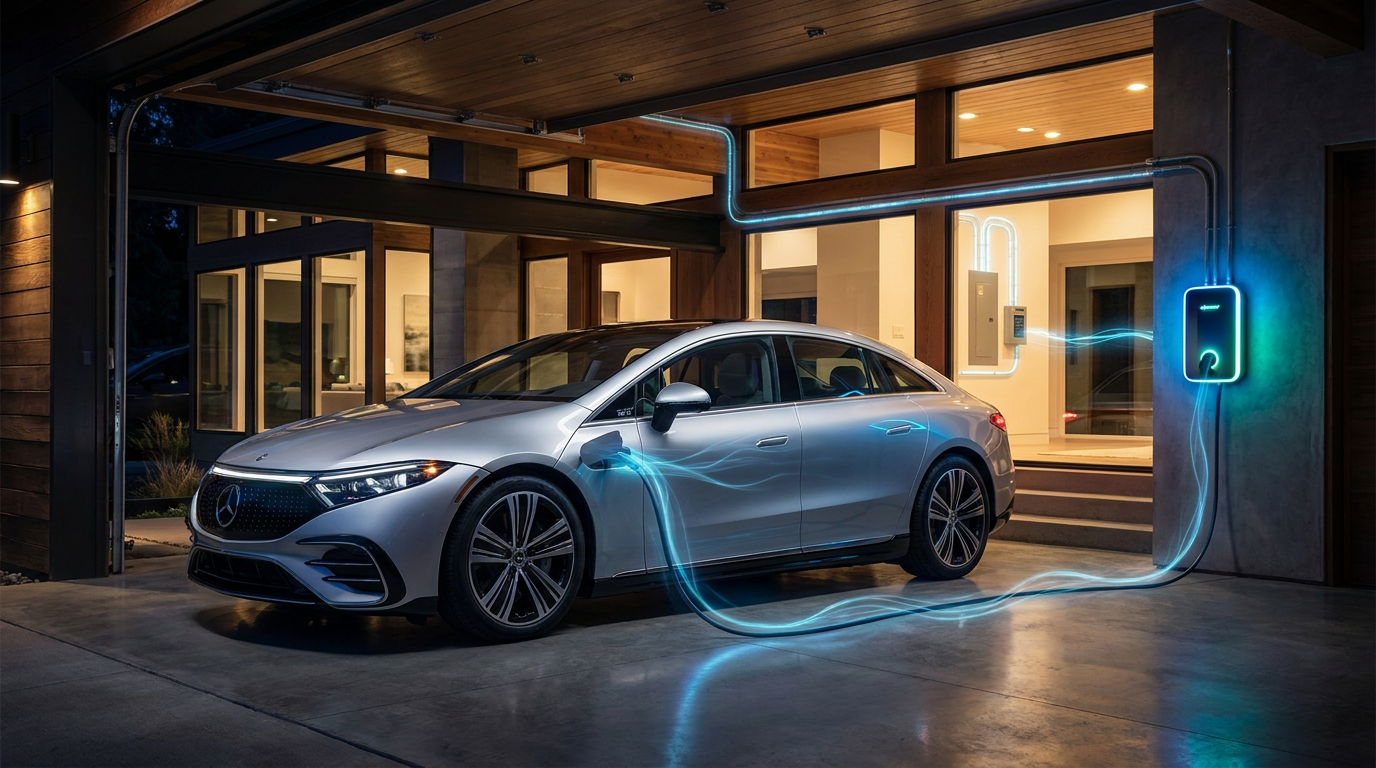
A new generation of bidirectional chargers allows electric vehicles to power homes during blackouts and stabilize the grid. Here is how V2H and V2G technology actually works in 2026.
By Factlen Editorial Team
Consumers 40%Grid Operators 35%Automakers 25%
- Consumers
- Primarily interested in V2H for blackout resilience and home energy savings, rather than complex grid-export contracts.
- Grid Operators
- View EVs as a massive distributed battery network essential for balancing renewable energy and preventing blackouts.
- Automakers
- Cautious about battery degradation and warranty claims from constant grid cycling, but eager to sell V2H as a premium feature.
What's not represented
- · Renters and Apartment Dwellers
Why this matters
Electric vehicles are no longer just transportation; they are massive mobile batteries. Bidirectional charging allows owners to eliminate home blackouts, lower their electricity bills, and help stabilize the public power grid.
More in automotive
See all 35 stories →Transit Tech
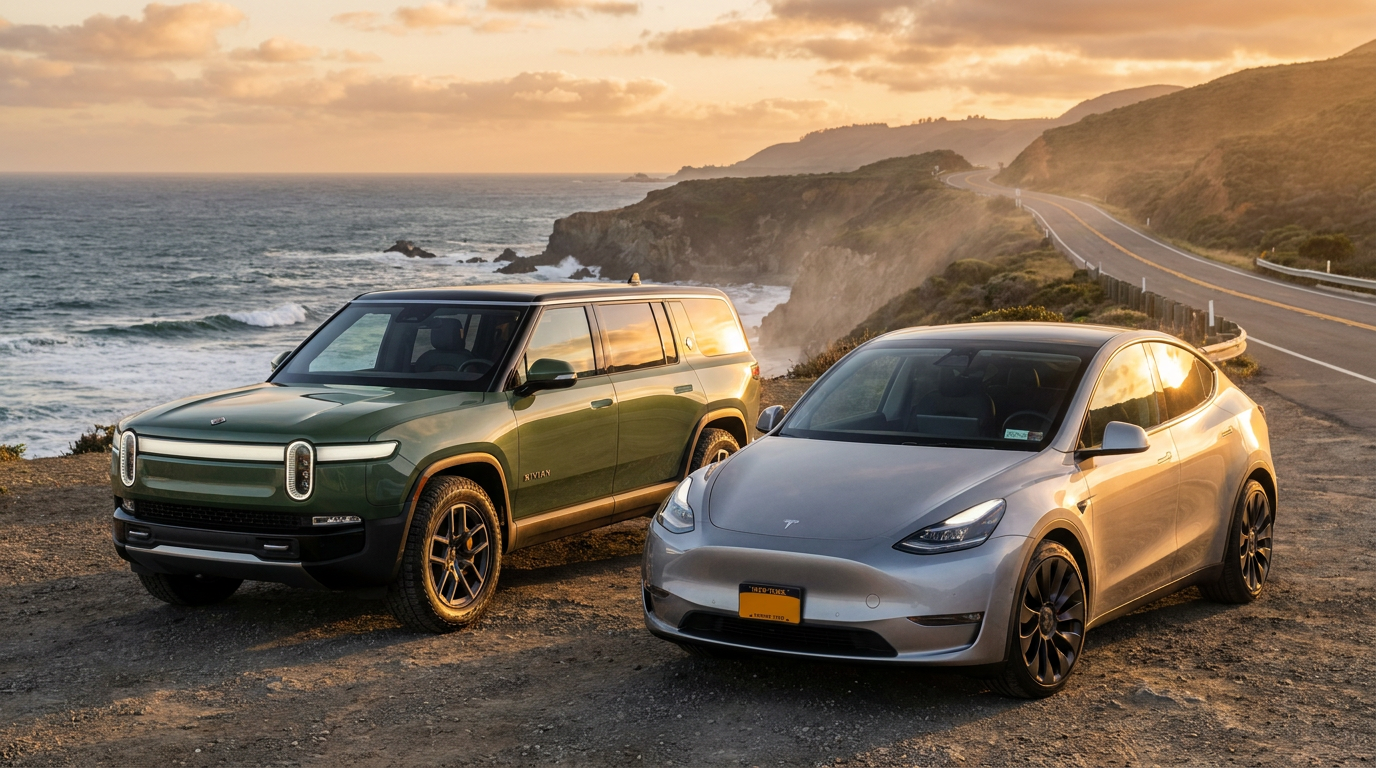
Trackless Trams: The 'Virtual Rail' Technology Trying to Bridge the Gap Between Buses and Trains
8 sources
EV Showdown
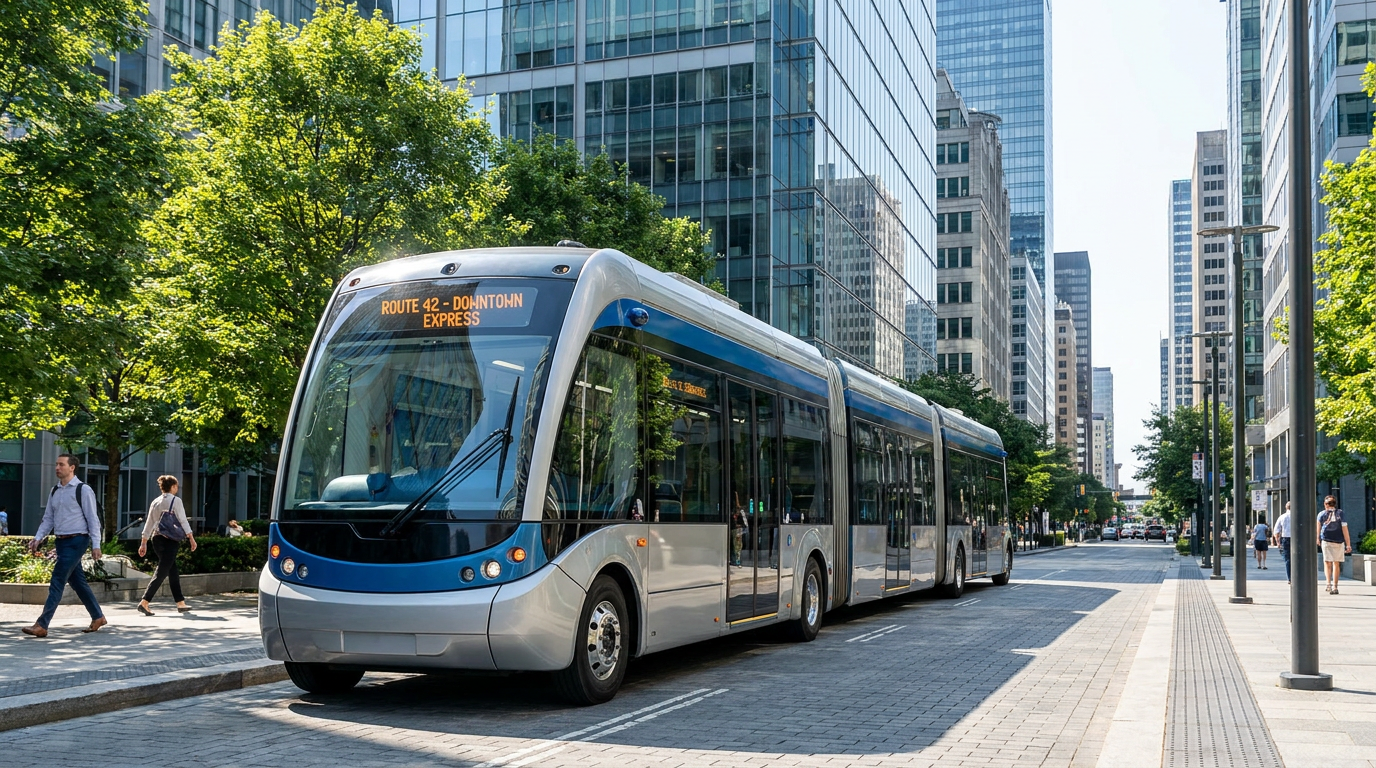
2026 Rivian R2 vs. Tesla Model Y: The Ultimate Midsize EV Showdown
7 sources
Battery Tech
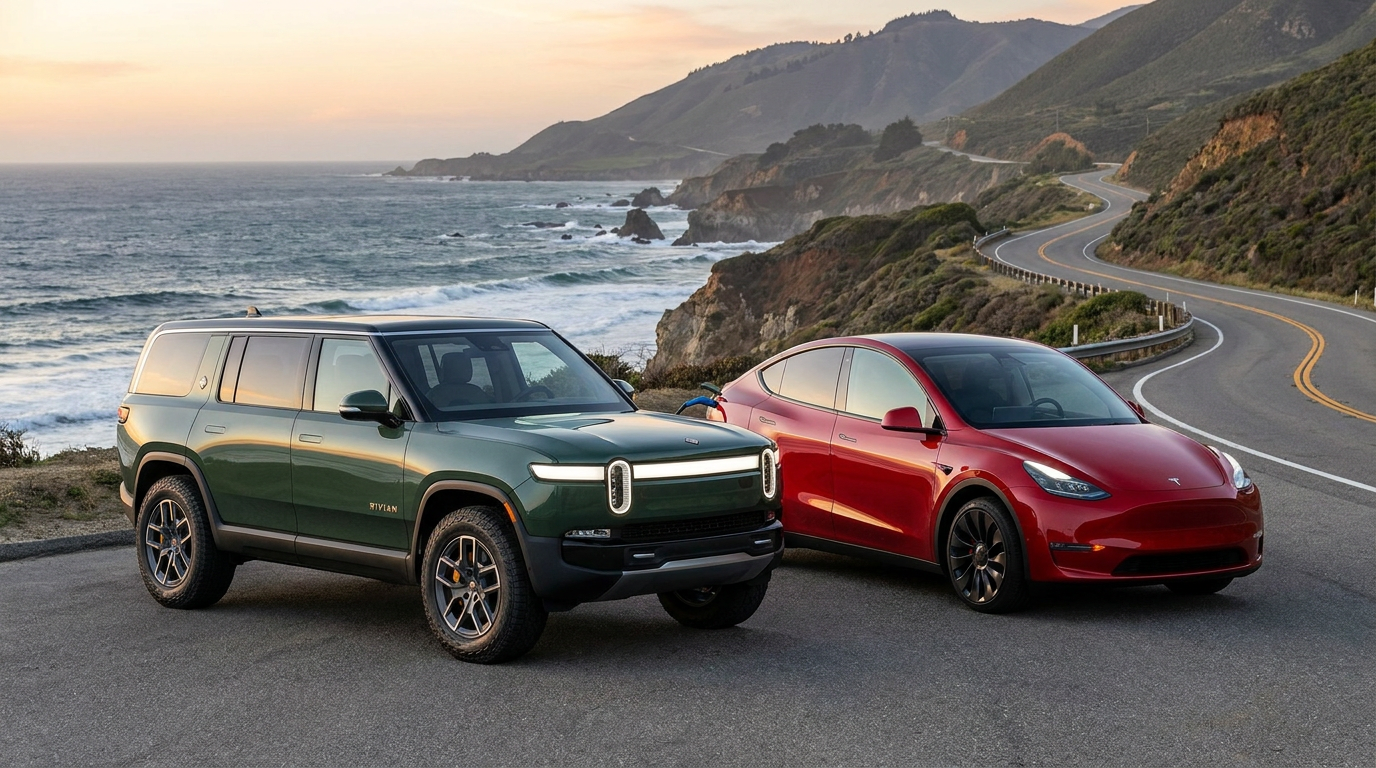
Solid-State EV Batteries Move From Lab to Assembly Line in 2026
9 sources

Smart Transmissions
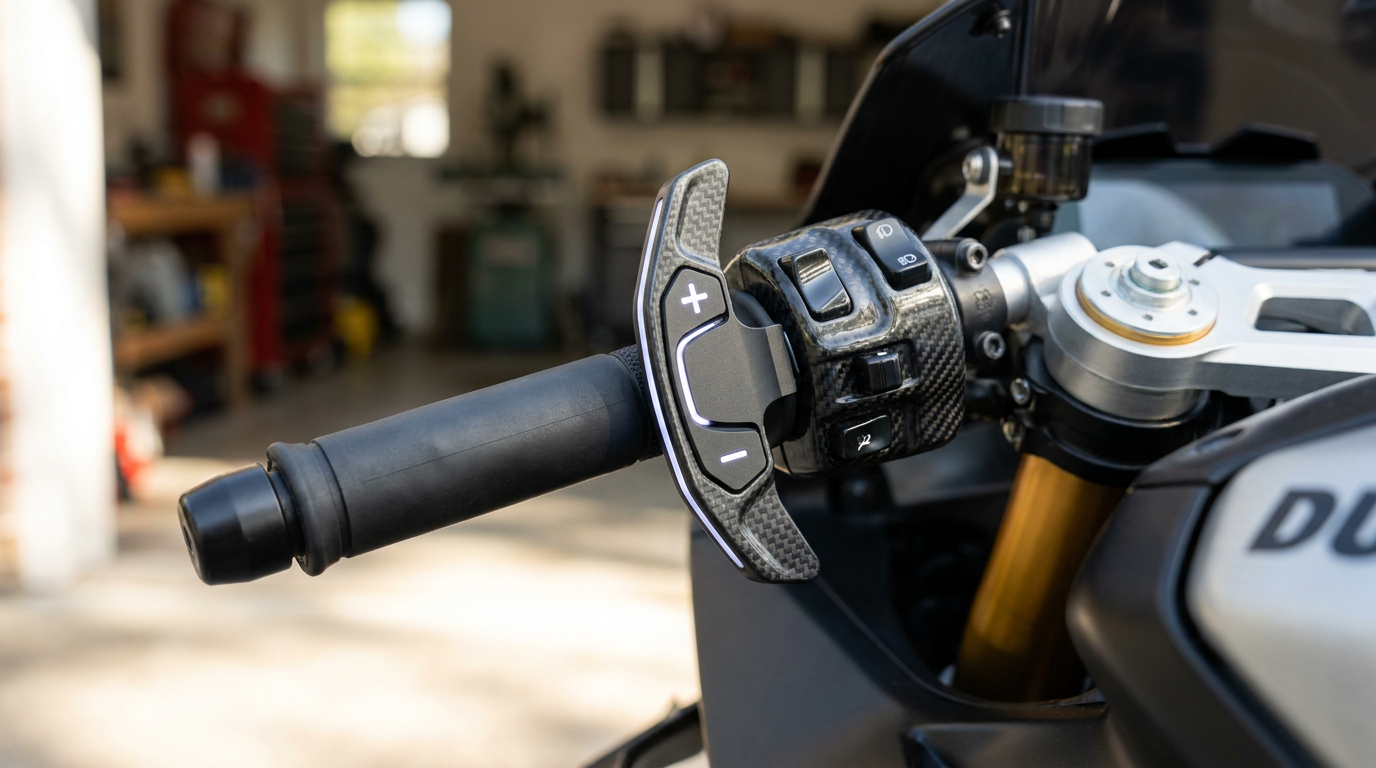
The Death of the Clutch Lever: How Smart Transmissions are Rewiring the Motorcycle
7 sources
Stay informed
Every angle. Every day.
Get automotive stories with full source coverage and perspective breakdowns delivered to your inbox.