
US-Iran Peace Talks in Switzerland Derailed by Lebanon Violence as Vance Lashes Out at Israeli Critics
Highly anticipated negotiations between the US and Iran were abruptly postponed after a deadly flare-up between Israel and Hezbollah, prompting Vice President JD Vance to sharply criticize Israeli opposition to the diplomatic framework.
By Factlen Editorial Team
- Israeli Government & Security Establishment
- Views the US-Iran MOU with deep suspicion, arguing it fails to dismantle Iran's nuclear program and leaves Israel vulnerable to Hezbollah.
- Trump Administration
- Argues the US-Iran deal is a historic victory that will stabilize the region and reopen the Strait of Hormuz, urging Israel to trust US diplomacy.
- Iranian & Allied Negotiators
- Demands an unconditional halt to Israeli operations in Lebanon as a prerequisite for any broader US-Iran agreement.
- Global Observers
- Focuses on the fragility of the ceasefire, the risk to global energy markets, and the unprecedented friction between the US and Israel.
What's not represented
- · Lebanese Civilians
- · European Union Diplomats
Why this matters
The breakdown of these talks threatens to collapse a historic US-Iran peace framework before it even begins, risking a broader regional war and severe disruptions to global energy markets. The unprecedented public friction between the Trump administration and Israel also signals a major shift in traditional US-Middle East alliances.
Key points
- US-Iran peace talks scheduled for Friday in Switzerland were postponed due to renewed fighting in Lebanon.
- Iran suspended its participation after Israeli airstrikes killed at least 18 people in response to a deadly Hezbollah drone attack.
- Vice President JD Vance canceled his trip to the talks and publicly rebuked Israeli critics of the US-Iran deal.
- Vance accused Israeli officials of a 'freakout' and stated they cannot 'kill their way out' of national security problems.
- President Trump defended the deal, stating Iran will receive no financial relief during the 60-day negotiation window.
- A renewed, fragile ceasefire between Israel and Hezbollah was reportedly agreed upon late Friday.
The highly anticipated US-Iran peace talks in Switzerland were abruptly postponed on Friday after a deadly military flare-up between Israel and Hezbollah in Lebanon, exposing deep and increasingly public fractures between the Trump administration and its closest Middle Eastern ally.[1][7]
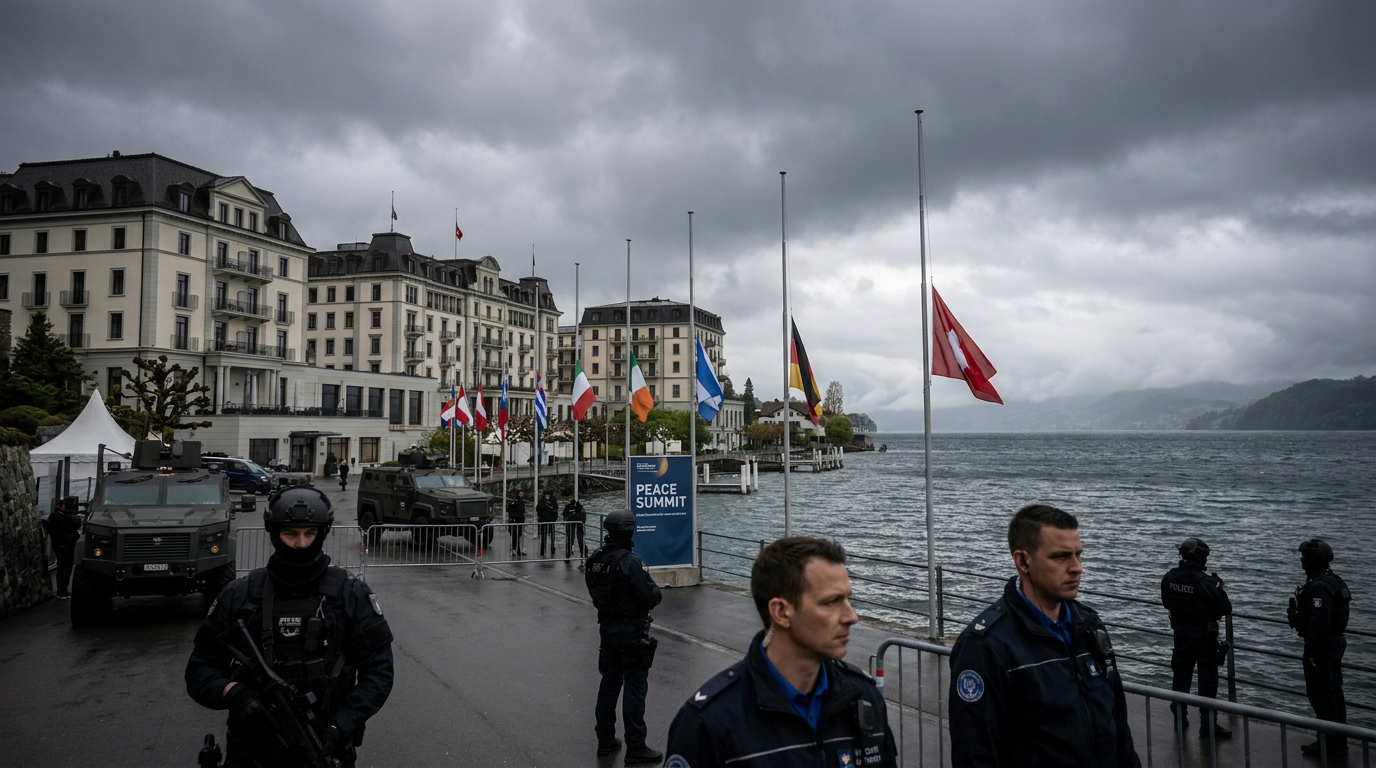
Just days after US President Donald Trump and Iranian President Masoud Pezeshkian signed a landmark Memorandum of Understanding (MOU) to end hostilities and open a 60-day negotiation window, the diplomatic machinery ground to a halt. Vice President JD Vance, who was slated to lead the US delegation, canceled his flight to the Bürgenstock resort overlooking Lake Lucerne at the last minute.[1][2][7]
The breakdown was triggered by intense fighting in southern Lebanon. After a Hezbollah drone strike killed four Israeli soldiers, Israel launched a wave of retaliatory airstrikes that killed at least 18 people and wounded dozens more, marking the most violent exchange since a nominal ceasefire was established.[1][4]

Iranian negotiators immediately suspended their participation in the Swiss talks, demanding a guarantee that Israel would cease its operations in Lebanon. Tehran maintains a strict "no Lebanon, no deal" posture, insisting that the US-Iran MOU mandates a comprehensive regional ceasefire that includes an end to Israeli incursions.[4][7]
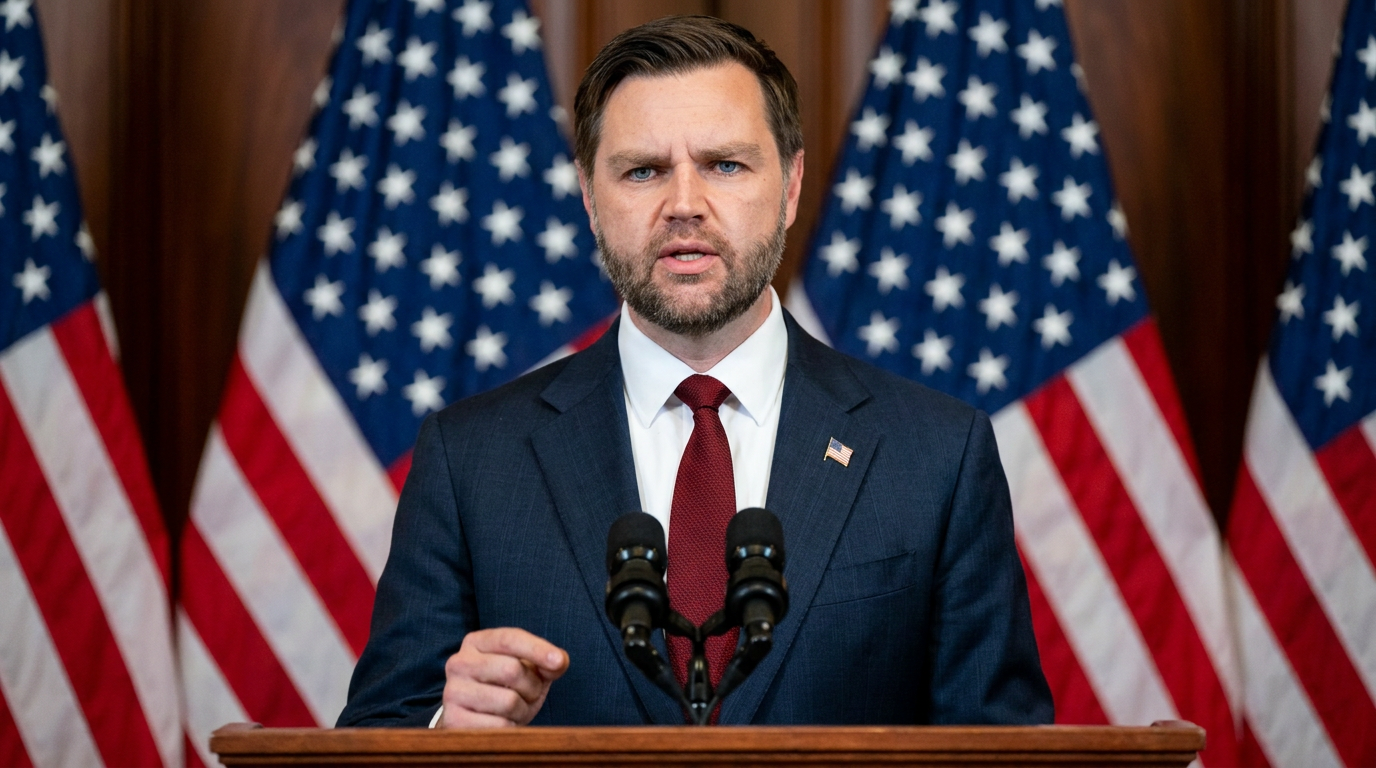
The delay prompted an unusually fierce public clash between Washington and Jerusalem. In an interview with The New York Times, Vice President Vance lashed out at Israeli officials who oppose the Iran deal, specifically naming far-right National Security Minister Itamar Ben-Gvir and Finance Minister Bezalel Smotrich.[3][6]
The delay prompted an unusually fierce public clash between Washington and Jerusalem.
"What is your exact proposal? You're a country of nine million people. You can't just kill your way out of solving every single national security problem that you have," Vance declared, dismissing Israeli concerns over the deal as a "weird panic" and a "freakout" fueled by mistrust and misinformation.[3][6]

The comments drew immediate fire from the Israeli cabinet. Ben-Gvir shot back on social media, comparing Iran to the "Nazis of the 21st century" and arguing that military force is the only language understood by Tehran and its proxy militias. Israeli officials have anonymously expressed deep concern that the US-Iran framework fails to dismantle Iran's nuclear program while constraining Israel's ability to defend its northern border.[3][6]
The public spat reflects deeper structural disagreements. US intelligence agencies have reportedly warned the Trump administration that Israeli Prime Minister Benjamin Netanyahu faces immense domestic pressure to continue degrading Hezbollah, a military campaign that directly threatens the survival of the US-Iran diplomatic framework.[4]
President Trump took to social media to defend the fragile agreement, emphasizing that Iran will receive "no money, not ten cents" during the 60-day negotiating period. He framed the deal as a definitive victory that has "diminished" Iran and stabilized global markets, pointing to a recent surge in unhindered oil traffic through the Strait of Hormuz.[1][2]

While the US administration insists that Israel retains the right to defend itself against direct attacks, it has grown increasingly frustrated with the scale of Israeli operations in Lebanon. Earlier in the week, Trump publicly urged Netanyahu not to "knock down a building every time somebody walks into it that's from Hezbollah."[4]
By late Friday, US and Israeli officials indicated that a renewed, fragile ceasefire between Israel and Hezbollah had been agreed upon, potentially clearing the way to reschedule the broader negotiations. However, the situation on the ground remains highly volatile.[1][2]
Mediators are now scrambling to salvage the diplomatic momentum. While preparatory work continues in Switzerland, regional mediators are slated to meet in Egypt on Sunday to bridge the gap. Yet the fundamental contradiction—America's push for a grand regional bargain versus Israel's localized security imperatives—remains entirely unresolved.[5][7]
How we got here
Wednesday
President Trump and Iranian President Masoud Pezeshkian sign a Memorandum of Understanding to end hostilities and open a 60-day negotiation window.
Thursday Night
Vice President JD Vance cancels his planned flight to Switzerland for the technical talks as violence escalates in Lebanon.
Friday Morning
Swiss authorities confirm the talks are postponed after Iran demands a guarantee that Israeli operations in Lebanon will cease.
Friday Afternoon
US and Israeli officials report that a renewed ceasefire between Israel and Hezbollah has been agreed upon.
Viewpoints in depth
Trump Administration
Views the US-Iran agreement as a historic victory that will stabilize the Middle East and secure global energy markets.
The administration argues that the Memorandum of Understanding has already yielded tangible results, pointing to a halt in Iranian attacks on commercial shipping and a surge in oil traffic through the Strait of Hormuz. Officials, led by Vice President JD Vance, maintain that the US has earned the trust of its allies and that Israel should rely on American diplomacy rather than military force to resolve the Iranian nuclear threat. They emphasize that Iran will receive no sanctions relief or financial benefits during the 60-day negotiation window.
Israeli Government
Fears the US-Iran framework leaves Israel vulnerable to proxy attacks and fails to dismantle Tehran's nuclear capabilities.
Israeli officials across the political spectrum view the deal with deep suspicion. Hardline ministers like Itamar Ben-Gvir and Bezalel Smotrich argue that diplomatic agreements with Iran are inherently flawed and that military deterrence is the only viable strategy. The broader Israeli security establishment is concerned that the deal forces Israel to halt its campaign against Hezbollah in Lebanon, effectively leaving a heavily armed Iranian proxy intact on its northern border while Iran's nuclear infrastructure remains largely untouched.
Iranian Negotiators
Demands an unconditional halt to Israeli military operations in Lebanon as a prerequisite for any broader agreement.
Tehran has adopted a strict "no Lebanon, no deal" posture, interpreting the US-Iran Memorandum of Understanding as a mandate for a comprehensive regional ceasefire. Iranian diplomats argue that they have restrained their allied militias, including Hezbollah, and expect the United States to exert similar control over Israel. They view ongoing Israeli airstrikes in southern Lebanon as a direct violation of the framework's spirit, refusing to engage in technical talks until hostilities cease.
What we don't know
- When the postponed technical talks in Switzerland will officially be rescheduled.
- Whether the renewed Israel-Hezbollah ceasefire will hold long enough to allow diplomatic negotiations to proceed.
- How the public rift between the Trump administration and the Israeli government will affect long-term US-Israel relations.
Key terms
- Memorandum of Understanding (MOU)
- A formal agreement between two or more parties that outlines the terms and details of a mutual understanding, often serving as the foundation for a binding treaty.
- Hezbollah
- A heavily armed, Iran-backed Shiite political party and militant group based in Lebanon.
- Strait of Hormuz
- A critical strategic waterway between the Persian Gulf and the Gulf of Oman through which a significant portion of the world's oil supply passes.
Frequently asked
Why were the US-Iran talks in Switzerland canceled?
The talks were postponed because of intense fighting between Israel and Hezbollah in Lebanon. Iran refused to participate until Israel ceased its military operations there.
What did JD Vance say about Israel?
Vice President Vance criticized Israeli officials who oppose the US-Iran deal, saying they were in a 'weird panic' and warning that Israel cannot 'kill its way out' of national security problems.
What is the 60-day window?
The US-Iran Memorandum of Understanding established a 60-day period for direct bilateral negotiations to hammer out the final details of a permanent peace agreement.
Is Iran receiving sanctions relief right now?
According to President Trump, Iran is receiving 'no money, not ten cents' during this 60-day negotiating period.
Sources
Source coverage
7 outlets
4 viewpoints surfaced







[1]The GuardianGlobal Observers
US-Iran meeting in Switzerland cancelled because of Lebanon fighting
Read on The Guardian →[2]Fox NewsTrump Administration
Israel–Hezbollah ceasefire becomes first test of Trump Iran framework after talks delay
Read on Fox News →[3]The Times of IsraelIsraeli Government & Security Establishment
Vance slams Israeli 'freakout' over Iran deal: 'You can't just kill your way out of solving' every security problem
Read on The Times of Israel →[4]The Washington PostGlobal Observers
U.S. intelligence warns Netanyahu may undermine Trump's Iran peace deal
Read on The Washington Post →[5]CBS NewsTrump Administration
Iran mediators to meet in Egypt on Sunday after Switzerland talks delayed
Read on CBS News →[6]The Jerusalem PostIsraeli Government & Security Establishment
'Can't kill your way out of every problem': JD Vance spars with Ben-Gvir, Smotrich over Iran deal
Read on The Jerusalem Post →[7]SwissinfoIranian & Allied Negotiators
US-Iran talks in Switzerland cancelled
Read on Swissinfo →

More in news politics
See all 5 stories →Immigration Enforcement
Memo Reveals Secretary of State Marco Rubio Approved ICE Detention of Colombian Activist
7 sources
US-Iran Relations
US-Iran Peace Talks Postponed as Israel and Hezbollah Renew Fragile Ceasefire
6 sources
Immigration Law
State Department Memo Authorizes Detention of Colombian Activist Over Political Speech
7 sources
Every angle. Every day.
Get news politics stories with full source coverage and perspective breakdowns delivered to your inbox.