
US and Iran Sign Preliminary Deal to End 110-Day Conflict and Reopen Strait of Hormuz
President Donald Trump has signed a 14-point memorandum of understanding with Iran that temporarily reopens the Strait of Hormuz and lifts US oil sanctions, establishing a 60-day window to negotiate a permanent peace.
By Factlen Editorial Team
- Geopolitical Skeptics
- Argues the deal provides Tehran with an unearned economic lifeline while failing to guarantee long-term free passage or nuclear disarmament.
- US Administration
- Views the deal as a major victory that successfully ends a devastating war and reopens a vital global trade route.
- Iranian Leadership
- Frames the agreement as a triumph of resistance that secured immediate economic relief and asserted sovereignty over the strait.
- Global Markets
- Relieved by the immediate de-escalation and stabilized energy prices, but remains cautious about the fragility of the 60-day timeline.
What's not represented
- · Israeli government officials
- · Lebanese civilians
- · Commercial shipping operators
Why this matters
The reopening of the Strait of Hormuz—a vital chokepoint for a fifth of the world's oil—promises to stabilize global energy markets and ease inflation that has threatened a worldwide recession. However, the fragile 60-day timeline and unresolved nuclear issues leave the long-term security of the Middle East highly uncertain.
Key points
- The US and Iran signed a 14-point preliminary agreement to end a 110-day conflict.
- The deal reopens the Strait of Hormuz toll-free for 60 days and lifts the US naval blockade.
- Washington agreed to immediately waive sanctions on Iranian oil sales, providing Tehran with an economic lifeline.
- The agreement mandates an immediate ceasefire across all fronts, including Iranian-backed operations in Lebanon.
- Complex negotiations regarding Iran's nuclear program have been deferred to a 60-day window.
President Donald Trump has signed a preliminary 14-point agreement with Iran aimed at ending a devastating 110-day military conflict that fundamentally disrupted global trade and security. The memorandum of understanding, heavily mediated by Pakistani Prime Minister Shehbaz Sharif, establishes an immediate ceasefire across all military fronts and creates a high-stakes 60-day window for both nations to negotiate a comprehensive final treaty. The sudden diplomatic breakthrough follows months of escalating violence that began with US-Israeli strikes in late February, culminating in a total shutdown of vital Middle Eastern shipping lanes. By signing the document, both Washington and Tehran have committed to a fragile de-escalation process that immediately halts combat operations, though officials on both sides acknowledge that the hardest diplomatic work lies ahead in the coming two months.[1][5][6]
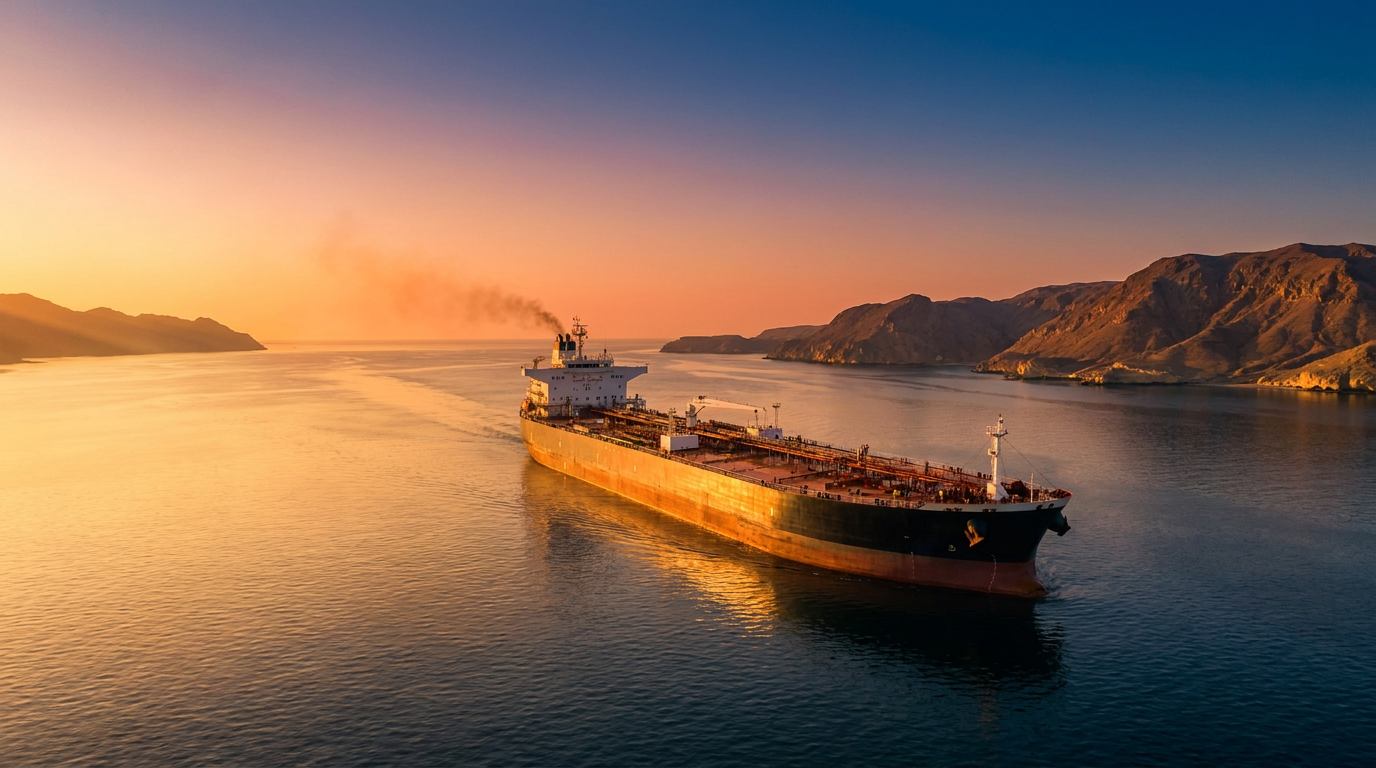
The immediate economic centerpiece of the preliminary deal is the unblocking of the Strait of Hormuz, a critical maritime chokepoint that historically handles roughly 20% of the world's daily oil supply. Under the terms dictated by US officials, Iran will allow toll-free commercial shipping through the strait for the next 60 days, while the United States has committed to lifting its naval blockade of Iranian ports within 30 days. The closure of the strait had sent shockwaves through global energy markets, and its reopening is viewed as a massive relief for the international economy. "Ships of the World, start your engines. Let the oil flow!" President Trump posted on Truth Social, celebrating the agreement as a major victory that averts a worldwide economic depression.[5][6]
In exchange for reopening the vital waterway and halting military hostilities, Washington has agreed to immediately waive crippling sanctions on Iranian oil sales, allowing Tehran to freely export crude on the global market for the first time in months. This represents a massive economic concession from the United States, providing the Iranian economy with an immediate and lucrative lifeline. Furthermore, the US has committed to eventually releasing billions of dollars in frozen Iranian assets held abroad, though American officials emphasize that those specific funds will only be unfrozen once Iran fully implements the terms of the final, long-term agreement. Iranian state media has already celebrated the sanctions relief as a humiliating defeat for Western economic pressure campaigns.[4][5][7]

The global economic toll of the 110-day closure has been severe, driving up energy costs, disrupting supply chains, and threatening a worldwide recession. The ripple effects of the conflict were starkly evident on Wednesday when the Bank of England announced it would hold its benchmark interest rate steady at 3.75%. British policymakers explicitly cited the inflationary pressures caused by the Hormuz closure as a primary headwind against economic growth, noting that higher energy costs have consistently undershot inflation forecasts and slowed recovery efforts. Financial markets rallied slightly on the news of the MOU, but central banks worldwide remain cautious, waiting to see if the physical flow of oil actually resumes at pre-war volumes before adjusting their long-term monetary strategies.[3][6]

The global economic toll of the 110-day closure has been severe, driving up energy costs, disrupting supply chains, and threatening a worldwide recession.
Beyond maritime security and economic relief, the memorandum of understanding mandates an "immediate and permanent termination of military operations" by both nations and their respective regional proxies. Crucially, the text explicitly includes Lebanon in the ceasefire zone, effectively requiring Tehran to rein in Hezbollah forces that are currently engaged in intense combat with Israel. While the agreement demands a halt to Iranian-backed operations in the Levant, senior US officials were quick to clarify that Israel—which is not a signatory to the MOU—retains the absolute right to defend itself and strike back if Hezbollah launches further attacks. This dynamic introduces a volatile wildcard into the peace process, as continued Israeli-Hezbollah clashes could easily derail the broader US-Iran de-escalation.[5][6]
The nuclear component of the preliminary deal remains a significant flashpoint and a source of deep anxiety among non-proliferation experts. The current text requires Iran to formally reaffirm that it will not procure or develop nuclear weapons, and mandates that Tehran down-blend its existing stockpile of highly enriched uranium on-site. However, the agreement deliberately delays the most difficult and complex negotiations over Iran's broader nuclear infrastructure—including the use of advanced centrifuges and the role of International Atomic Energy Agency inspectors—to the 60-day window. By separating the immediate maritime crisis from the long-term nuclear threat, the US administration has secured a quick end to the shooting war, but left the ultimate fate of Iran's atomic ambitions entirely unresolved.[4][5][6]
Critics of the administration's diplomatic strategy argue that the framework heavily favors Tehran, granting the Islamic Republic immediate, tangible rewards in exchange for easily reversible promises. Foreign policy analysts note that Iran is receiving an immediate economic lifeline through unfettered oil sales while deferring its most significant and permanent concessions. Elliott Abrams, a former US special representative for Iran, warned that the deal effectively allows Iran to maintain substantial uranium enrichment capabilities and fails to permanently dismantle its nuclear program. Skeptics fear that once Iran reaps the financial benefits of the 60-day oil waiver, it will have little incentive to sign a restrictive final treaty, leaving the US with diminished leverage.[4][6]

The durability of the toll-free passage through the Strait of Hormuz is also highly contested, exposing a major discrepancy in how the two nations are selling the deal to their domestic audiences. While President Trump has publicly stated that the vital waterway will be "permanently toll-free," the written memorandum of understanding only guarantees free passage for the initial 60-day period. Iran's parliamentary speaker, Mohammad Bagher Ghalibaf, forcefully contradicted the American narrative on state television, stating that Tehran fully intends to charge commercial shipping fees once the initial window expires. Ghalibaf asserted that the strait "will not return to pre-war conditions" and emphasized Iran's sovereign right to extract tolls, setting the stage for a massive diplomatic clash in two months.[5][6]
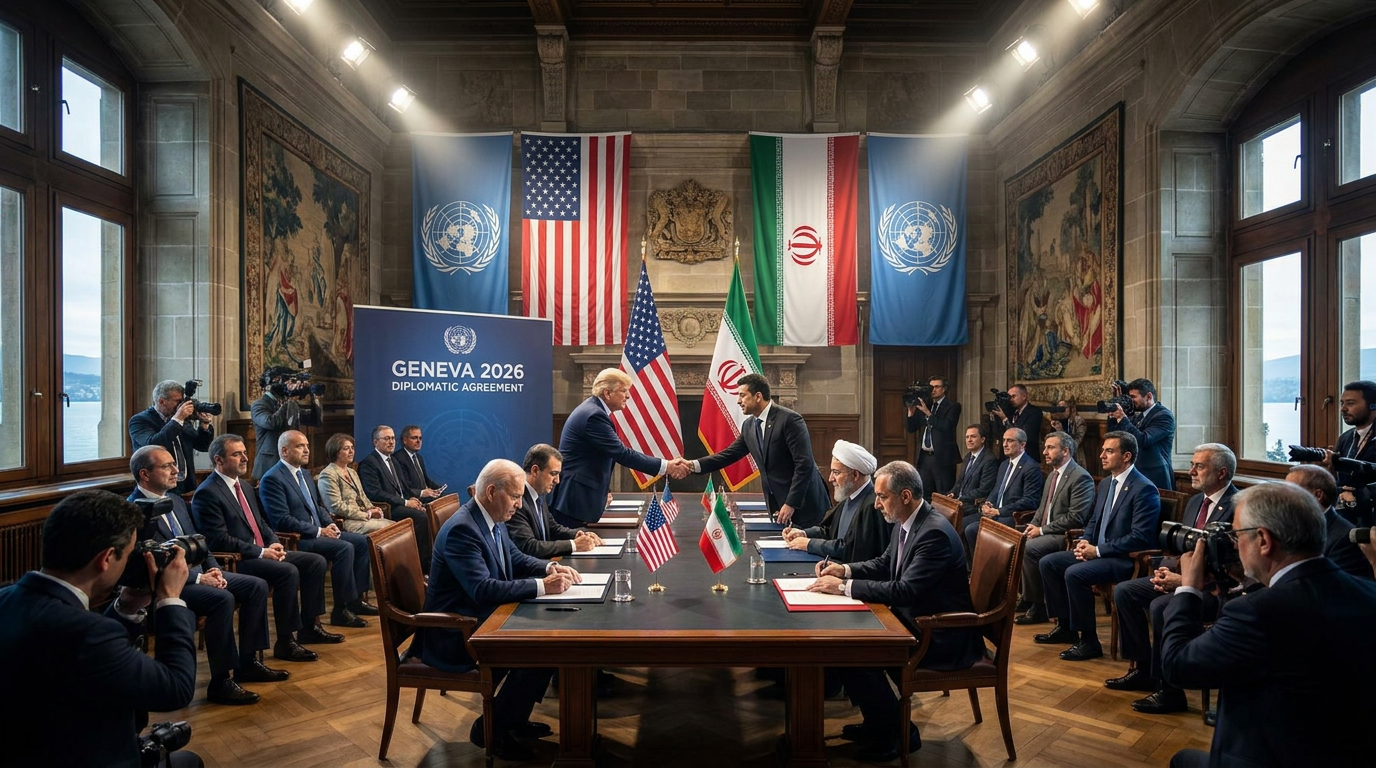
A formal signing ceremony for the memorandum of understanding is scheduled to take place on Friday in Geneva, Switzerland, with Vice President JD Vance and senior Iranian officials expected to attend. The ceremony will officially start the 60-day countdown clock for negotiators to hammer out a permanent, UN-backed resolution. If the two sides fail to reach a comprehensive agreement within that tight timeframe, US officials have warned they are fully prepared to walk away and reinstate severe economic and military pressure. With both nations retaining the right to abandon the framework at any moment, the Middle East enters a precarious two-month period of diplomatic brinkmanship, where the slightest miscalculation could instantly reignite the devastating conflict.[5][6][7]
How we got here
Late Feb 2026
US-Israeli strikes on Iran trigger a major regional conflict, leading to the closure of the Strait of Hormuz.
Mar–May 2026
The 110-day war devastates global energy markets and prompts a US naval blockade of Iranian ports.
June 14, 2026
US and Iranian officials reach a preliminary peace framework mediated by Pakistan.
June 17, 2026
President Trump signs the 14-point memorandum of understanding, initiating a 60-day negotiation window.
June 19, 2026
Formal signing ceremony scheduled to take place in Geneva, Switzerland.
Viewpoints in depth
The US Administration's View
A necessary diplomatic breakthrough to avert a global economic depression.
For the US administration, the immediate priority was halting the devastating economic fallout of the 110-day conflict. By securing a 60-day window of toll-free passage through the Strait of Hormuz, the administration argues it has successfully stabilized global energy markets and prevented a worldwide recession. Officials emphasize that the deal immediately stops the shooting war, protects American troops in the region, and forces Iran to down-blend its highly enriched uranium, all while keeping the threat of severe sanctions in reserve if final negotiations fail.
Tehran's View
A strategic victory that broke the US naval blockade and secured vital sanctions relief.
Iranian leadership has framed the preliminary agreement as a humiliating defeat for Western pressure campaigns. By securing immediate waivers on oil sanctions and the promise of unfrozen assets before making permanent nuclear concessions, Tehran believes it has successfully leveraged its control over the Strait of Hormuz to rescue its economy. Furthermore, Iranian officials maintain that the 60-day toll-free window is merely a temporary concession, firmly asserting their sovereign right to eventually charge commercial shipping fees for utilizing the waterway.
Security Analysts' View
A fragile ceasefire that grants Iran an economic lifeline for easily reversible promises.
Non-proliferation experts and geopolitical skeptics warn that the memorandum of understanding heavily favors the Islamic Republic. Analysts argue that by front-loading the economic rewards—specifically the oil sanctions waiver—the US has surrendered its primary leverage before securing a permanent nuclear treaty. Critics like Elliott Abrams point out that Iran is allowed to maintain substantial uranium enrichment capabilities, raising fears that Tehran will simply use the 60-day window to enrich its economy before walking away from the final, more restrictive negotiations.
What we don't know
- Whether Iran will actually agree to dismantle its advanced nuclear infrastructure during the 60-day negotiation window.
- How Israel will respond to the ceasefire, given that it is not a signatory and remains engaged with Hezbollah in Lebanon.
- If the United States will accept Iran's demand to charge commercial shipping tolls in the Strait of Hormuz after the initial 60 days.
Key terms
- Strait of Hormuz
- A narrow, highly strategic waterway between the Persian Gulf and the Gulf of Oman, through which roughly 20% of the world's oil supply passes.
- Memorandum of Understanding (MOU)
- A preliminary, non-binding agreement outlining the broad terms of a deal before a final, permanent treaty is drafted.
- Down-blending
- The process of mixing highly enriched uranium with lower-enriched uranium to reduce its potency, making it unsuitable for use in nuclear weapons.
- Sanctions Waiver
- A temporary exemption granted by the US government allowing a country to bypass specific economic penalties, such as restrictions on selling oil.
Frequently asked
Is the war between the US and Iran completely over?
The agreement mandates an immediate and permanent halt to military operations, but it is only a preliminary deal. Both sides have 60 days to negotiate a final treaty, and either can walk away if talks collapse.
Will gas prices go down now that the deal is signed?
The reopening of the Strait of Hormuz and the lifting of sanctions on Iranian oil are expected to significantly increase global oil supply, which typically leads to lower energy costs and stabilized gas prices.
Did Iran agree to give up its nuclear program?
No. While Iran agreed to down-blend its highly enriched uranium and reaffirmed it will not build nuclear weapons, the most difficult negotiations regarding the future of its nuclear infrastructure were delayed to the 60-day window.
Will ships have to pay to use the Strait of Hormuz?
The preliminary deal guarantees toll-free passage for 60 days. However, Iranian officials have stated they intend to charge commercial shipping fees once that initial window expires.
Sources
Source coverage
7 outlets
4 viewpoints surfaced







[1]NPRUS Administration
Trump signs agreement with Iran. And, the president's approval hits record lows
Read on NPR →[2]Al JazeeraIranian Leadership
World reacts to US-Iran deal to extend ceasefire, reopen Strait of Hormuz
Read on Al Jazeera →[3]The GuardianGlobal Markets
Bank of England keeps interest rates at 3.75% as Iran conflict weighs on economy
Read on The Guardian →[4]NYTGeopolitical Skeptics
Iran Gets Major Economic Lifeline for Minimal Concessions in Initial Deal
Read on NYT →[5]CBCUS Administration
U.S. and Iran sign deal that includes plan to reopen Strait of Hormuz, 2-month window for nuclear talks
Read on CBC →[6]Council on Foreign RelationsGeopolitical Skeptics
Trump's Iran Deal: What We Know So Far
Read on Council on Foreign Relations →[7]CNAIranian Leadership
Trump says Strait of Hormuz to reopen on Friday under US-Iran deal
Read on CNA →
More in news politics
See all 7 stories →Labor Law
Supreme Court Rules Last-Mile Delivery Drivers Cannot Be Forced Into Arbitration
9 sources
Pentagon Rebranding
Congress Advances Trump's Push to Rename Pentagon the 'Department of War'
6 sources
Labour Party
UK Voters Head to Polls in Makerfield By-Election That Could Topple Prime Minister Keir Starmer
7 sources
US-Iran Deal
U.S. and Iran Sign 14-Point Memorandum to End Conflict and Reopen Strait of Hormuz
8 sources
Every angle. Every day.
Get news politics stories with full source coverage and perspective breakdowns delivered to your inbox.