
Inside the 14-Point U.S.-Iran Ceasefire: What the Historic MoU Actually Does
The U.S. and Iran have signed a sweeping interim agreement to end their 15-week war, reopening the Strait of Hormuz while initiating a 60-day window to negotiate a permanent nuclear treaty.
By Factlen Editorial Team
- The Trump Administration
- Argues the ceasefire was an economic necessity that ended a costly war and sets the stage to permanently dismantle Iran's nuclear stockpile.
- Bipartisan Critics
- View the agreement as a dangerous capitulation that rewards Tehran with sanctions relief without securing regime change.
- International Observers
- Focus on the mechanics of the 14-point agreement and its immediate impact on global shipping and regional stability.
- The Israeli Government
- Remains deeply skeptical of the pact, refusing to abide by the Lebanon ceasefire clause and warning the deal leaves Iran's nuclear infrastructure intact.
What's not represented
- · Lebanese civilians caught in the ongoing crossfire
- · Global shipping companies navigating the reopened strait
Why this matters
This agreement pauses a devastating global conflict that choked energy markets and cost billions, but its sweeping concessions—including a $300 billion reconstruction plan for Iran—have sparked fierce debate over whether the U.S. secured a lasting peace or merely funded a future adversary.
Key points
- The U.S. and Iran have signed a 14-point Memorandum of Understanding to end their 15-week military conflict.
- The agreement immediately lifts the U.S. naval blockade and reopens the Strait of Hormuz to global shipping.
- A 60-day negotiation window has been established to draft a permanent treaty regarding Iran's nuclear program.
- The MoU includes a U.S.-backed $300 billion reconstruction plan for Iran and the lifting of all sanctions.
- Israel has refused to halt its military campaign in Lebanon, complicating the U.S.-brokered ceasefire.
- Bipartisan critics and former President Obama have condemned the deal as a capitulation that leaves the U.S. worse off.
After 15 weeks of a devastating conflict that choked global energy supplies and reshaped Middle Eastern geopolitics, the United States and Iran have officially signed a 14-point Memorandum of Understanding to end the war.[5]
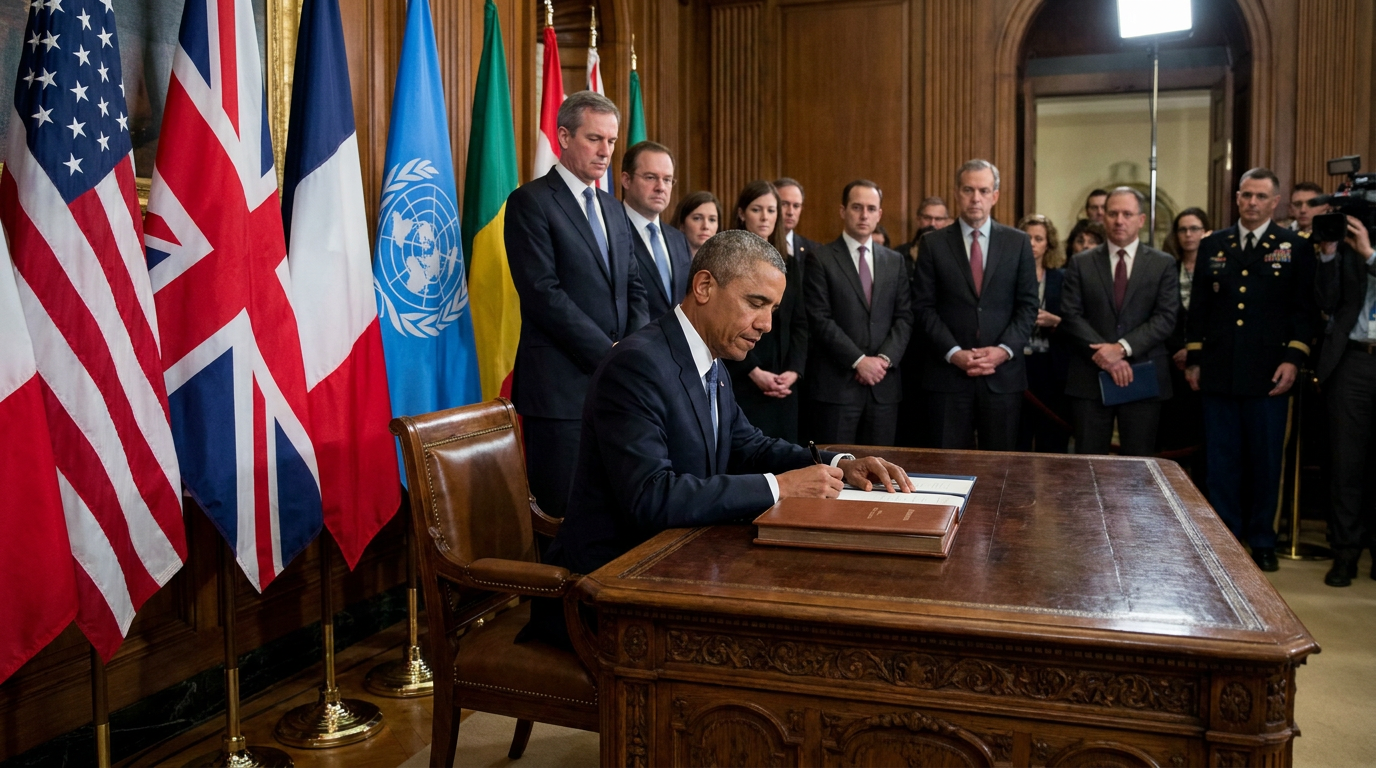
The agreement, digitally finalized over the weekend and formally signed remotely by U.S. President Donald Trump in France and Iranian President Masoud Pezeshkian in Tehran, establishes an immediate ceasefire. It initiates a 60-day negotiation window to resolve the most intractable issues, including Iran's nuclear program and regional proxy conflicts.[2][4]
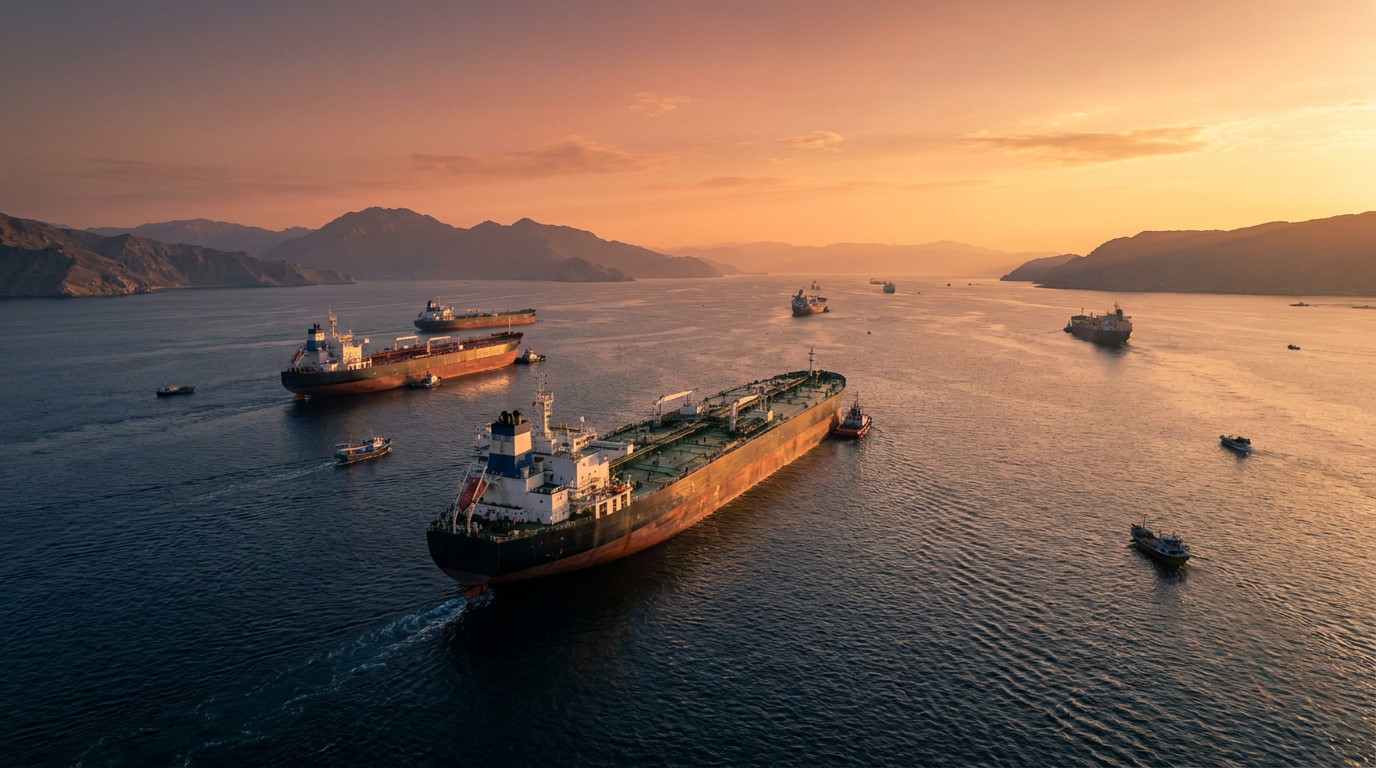
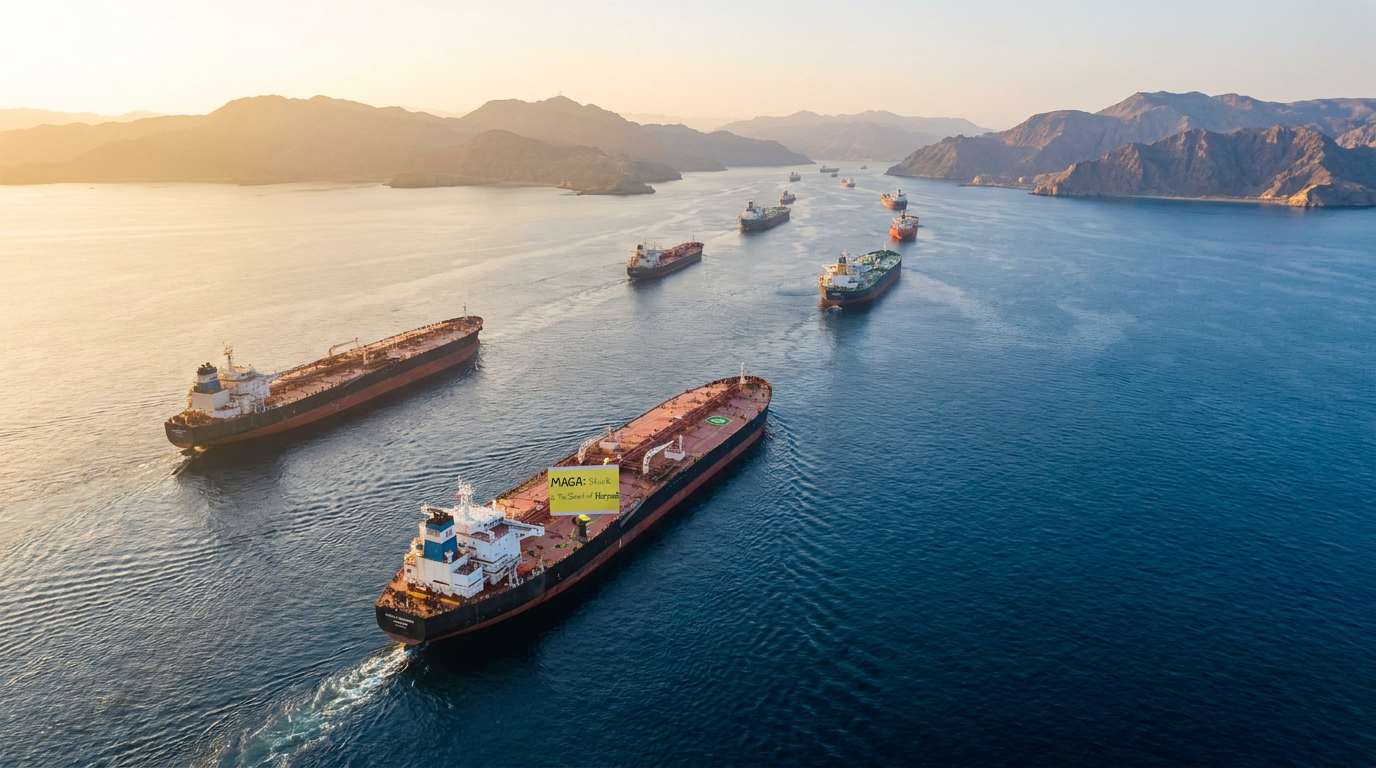
The immediate effects of the pact are already visible on the water. U.S. Central Command announced the lifting of the American naval blockade on Iranian ports, while Tehran committed to reopening the Strait of Hormuz—a critical artery for global oil—toll-free for commercial vessels.[4][7]
However, the framework is highly controversial, offering sweeping concessions to secure the peace. Under the terms of the memorandum, the U.S. pledged to lift all unilateral and United Nations sanctions against Iran.[5]

Most significantly, the agreement outlines a U.S.-backed economic reconstruction plan for Iran valued at a minimum of $300 billion, with Washington promising to grant all necessary financial waivers to facilitate the rebuilding.[5]
In exchange, Iran agreed to maintain the current 'status quo' of its nuclear program and reaffirmed a commitment not to develop nuclear weapons. The U.S. also agreed to withdraw its military forces from the immediate proximity of Iran within 30 days of a final, permanent deal.[5]
Despite the diplomatic breakthrough, the ceasefire is already fracturing on its western edge. Clause 1 of the memorandum demands an 'immediate and permanent' termination of military operations on all fronts, explicitly including Lebanon.[5]
Despite the diplomatic breakthrough, the ceasefire is already fracturing on its western edge.
Israel, however, is not a signatory to the U.S.-Iran agreement and has refused to halt its military campaign against Hezbollah in southern Lebanon. Following a wave of deadly airstrikes and rocket fire between Israeli forces and Hezbollah, the U.S. abruptly delayed its next diplomatic steps.[7]

U.S. Vice President JD Vance, who is leading the negotiations for the Trump administration, canceled a planned flight to a Swiss resort where technical talks with Iranian officials were scheduled to begin. The White House cited logistical complications, but the ongoing violence in Lebanon looms large over the fragile truce.[1][7]
Domestically, the memorandum has ignited a firestorm of bipartisan criticism in Washington. Democratic Senate Minority Leader Chuck Schumer argued that Iran 'won on just about every one of the 14 points,' while Republican Senator Bill Cassidy called the deal a capitulation that rewards Tehran with new infrastructure after the deaths of U.S. service members.[3]
Former President Barack Obama delivered a sharp rebuke, stating that after spending billions of dollars and suffering casualties, the U.S. is now 'worse off' than before the war began in February. Obama noted that the conflict was ultimately sparked by Trump's decision during his first term to abandon the 2015 nuclear agreement, which had successfully capped Iran's enrichment.[1]
The Trump administration has aggressively defended the pact. Speaking at the G-7 summit, President Trump argued the ceasefire was necessary to lower global energy prices and ease inflation, claiming the U.S. military had successfully degraded Iran's capabilities during the conflict.[2]

Vice President Vance sought to distinguish the new framework from the Obama-era deal, insisting that the final treaty negotiated over the next 60 days will require Iran to completely destroy its enriched uranium stockpile and accept limits on its ballistic missile range.[4]
'The Obama deal allowed the Iranians to enrich uranium,' Vance told reporters at the White House. 'This deal will not allow the Iranians to enrich uranium.' He also clarified that Iran would not receive automatic access to the $300 billion or frozen assets without strict compliance.[4]

For regional observers, the memorandum represents a seismic shift. Analysts note that Iran's government survived a direct U.S. and Israeli military assault and emerged with promises of massive economic relief, while the U.S. prioritized global economic stability over regime change.[6]
How we got here
February 2026
The U.S. and Israel launch military operations against Iran, sparking a 15-week war.
April 2026
The U.S. imposes a naval blockade on Iranian ports, while Iran blocks the Strait of Hormuz, spiking global energy prices.
June 14, 2026
U.S. and Iranian officials digitally sign an interim 14-point Memorandum of Understanding brokered by regional mediators.
June 17, 2026
President Trump and President Pezeshkian formally sign the MoU remotely, initiating a 60-day negotiation window.
June 18, 2026
U.S. Central Command officially lifts the naval blockade, allowing commercial vessels to resume transit.
Viewpoints in depth
The Trump Administration's view
The White House frames the deal as a pragmatic victory that stabilizes the global economy while setting strict terms for Iran's nuclear future.
President Trump and Vice President JD Vance argue that the 15-week war successfully degraded Iran's military capabilities, making the ceasefire a negotiated victory rather than a retreat. By reopening the Strait of Hormuz, the administration claims it has saved the global economy from crippling energy inflation. Vance has explicitly contrasted the ongoing negotiations with the 2015 JCPOA, promising that the final treaty will force Iran to completely destroy its enriched uranium stockpile rather than merely capping its development.
Bipartisan Critics' view
Lawmakers from both parties and former officials argue the agreement is a capitulation that enriches a hostile state.
Critics, including Democratic Senator Chuck Schumer and Republican Senator Bill Cassidy, point to the $300 billion reconstruction fund and the lifting of sanctions as massive, unearned rewards for Tehran. Former President Barack Obama highlighted the human and financial toll of the 15-week war, arguing the U.S. is now 'worse off' than before the conflict began. These voices warn that the interim deal leaves Iran's nuclear infrastructure intact and fails to address the regime's sponsorship of regional proxies.
The Israeli Government's view
Israel views the U.S.-brokered ceasefire with deep skepticism and refuses to halt its own military operations in Lebanon.
Israeli officials are alarmed that the MoU defers the mechanics of dismantling Iran's nuclear program to future talks, fearing the 60-day window allows Tehran to regroup. Furthermore, Israel has explicitly rejected Clause 1 of the agreement, which calls for an end to hostilities on all fronts, including Lebanon. Israeli forces have continued their campaign against Hezbollah, insisting that national security cannot be dictated by a bilateral agreement between Washington and Tehran to which Jerusalem is not a party.
What we don't know
- Whether Iran will actually agree to destroy its enriched uranium stockpile during the 60-day negotiation window.
- How the U.S. will handle Israel's refusal to abide by the ceasefire clause regarding military operations in Lebanon.
- The exact mechanisms and conditions required for Iran to access the proposed $300 billion reconstruction fund.
Key terms
- Memorandum of Understanding (MoU)
- A formal agreement between two or more parties that establishes a framework for future negotiations, though often lacking the binding legal weight of a finalized treaty.
- Strait of Hormuz
- A narrow, strategically vital waterway between the Persian Gulf and the Gulf of Oman through which a significant portion of the world's oil supply passes.
- Joint Comprehensive Plan of Action (JCPOA)
- The 2015 nuclear agreement brokered by the Obama administration that capped Iran's nuclear enrichment in exchange for sanctions relief, which Donald Trump withdrew from in 2018.
- Enriched Uranium
- Uranium that has been processed to increase the concentration of the U-235 isotope, which can be used for civilian nuclear power or, at high purity, for nuclear weapons.
- Naval Blockade
- A military operation in which ships are used to cut off a country's ports from global trade, utilized by the U.S. against Iran during the 15-week war.
Frequently asked
What is the U.S.-Iran MoU?
A 14-point interim agreement signed in June 2026 to end the 15-week war between the United States and Iran, establishing a 60-day window to negotiate a permanent treaty.
What does Iran get out of the deal?
The agreement promises the lifting of all U.S. and U.N. sanctions, the end of the U.S. naval blockade, and a U.S.-backed $300 billion economic reconstruction plan.
What does the U.S. get out of the deal?
Iran agreed to reopen the Strait of Hormuz to global shipping, maintain the current status quo of its nuclear program, and commit to not developing nuclear weapons.
Why was JD Vance's trip to Switzerland canceled?
The Vice President delayed technical talks due to logistical issues and ongoing fighting in Lebanon, as Israel refused to halt its campaign against Hezbollah despite the MoU's ceasefire clause.
What is the controversy over the nuclear stockpile?
Critics argue the interim deal leaves Iran's nuclear infrastructure intact. The Trump administration insists the final treaty will force Iran to destroy its enriched uranium, unlike the 2015 Obama-era deal.
Sources
Source coverage
7 outlets
4 viewpoints surfaced







[1]The GuardianBipartisan Critics
Barack Obama says US is 'worse off' than before war with Iran
Read on The Guardian →[2]The Washington PostThe Trump Administration
In a sprawling news conference at the G-7 summit in France, the president touted the economic benefits of the ceasefire
Read on The Washington Post →[3]CBS NewsBipartisan Critics
Senators react to US-Iran MoU
Read on CBS News →[4]Iran InternationalThe Trump Administration
Vance Says Final Iran Deal Will Bar Uranium Enrichment
Read on Iran International →[5]Channel News AsiaInternational Observers
What is in the 14-point US-Iran MoU?
Read on Channel News Asia →[6]Atlantic CouncilThe Israeli Government
Experts react: The US and Iran signed a ceasefire MOU. What happens next?
Read on Atlantic Council →[7]i24NEWSThe Israeli Government
US-Iran MoU Technical Talks Delayed, US Vice President Vance Not Yet Leaving For Switzerland
Read on i24NEWS →
More in news politics
See all 5 stories →Workplace Science
The Evidence on the Four-Day Workweek: Productivity, Burnout, and Where It Fails
7 sources

US-Iran Deal
US and Iran Sign Preliminary Agreement to End 110-Day War and Reopen Strait of Hormuz
8 sources
Islamabad Memorandum
US and Iran Sign Historic MOU to End War, but Israeli Defiance in Lebanon Threatens Truce
7 sources
Every angle. Every day.
Get news politics stories with full source coverage and perspective breakdowns delivered to your inbox.