
How Temperature and Light Optimize Deep Sleep and Brain Health
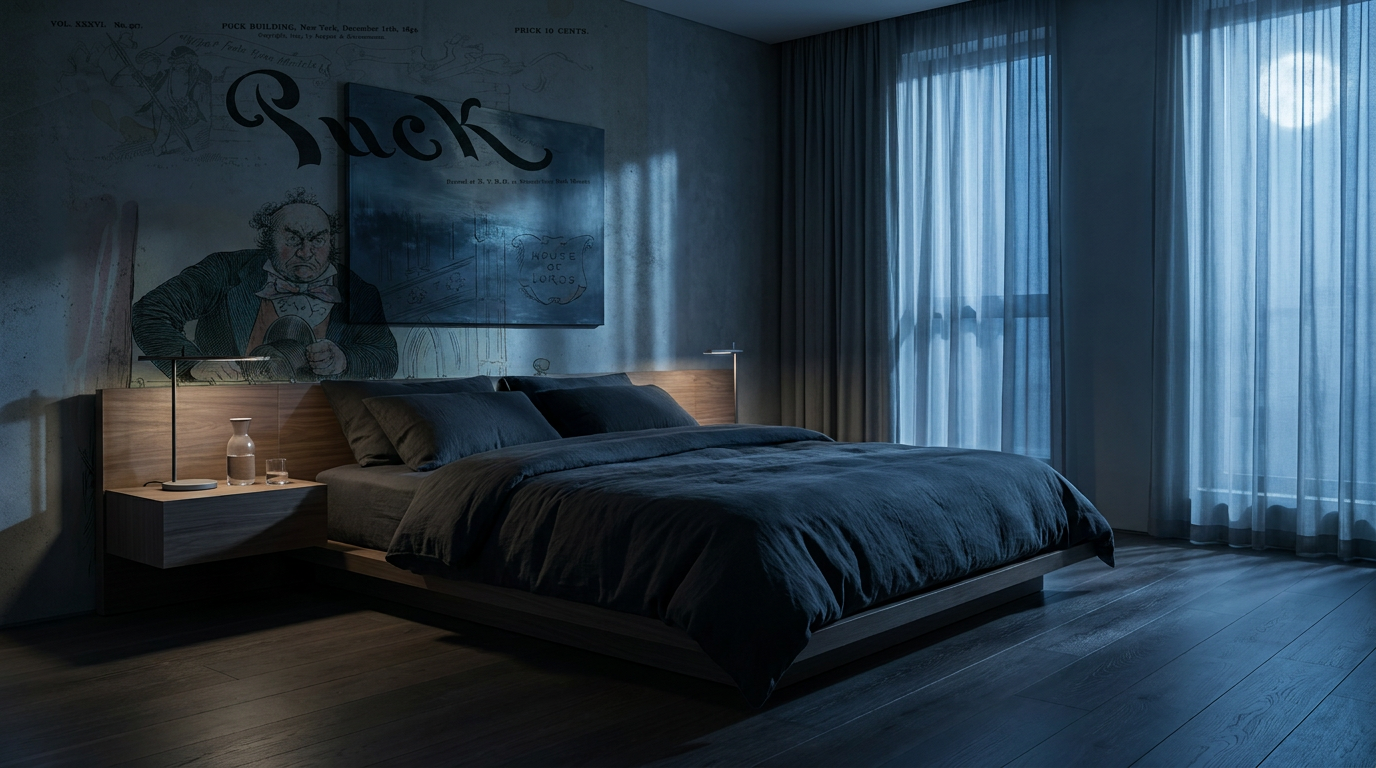
Recent breakthroughs in sleep science reveal that optimizing bedroom temperature and light exposure can dramatically enhance deep sleep, triggering the brain's natural waste-clearance system.
By Factlen Editorial Team
Sleep Scientists & Neurologists 40%Circadian Biologists 35%Clinical Practitioners 25%
- Sleep Scientists & Neurologists
- Focus on the glymphatic system's role in clearing neurotoxins and preventing cognitive decline.
- Circadian Biologists
- Emphasize the primacy of light exposure and the contrast between daytime brightness and nighttime darkness.
- Clinical Practitioners
- Focus on actionable, non-pharmacological interventions like room cooling and behavioral routines over sleep medications.
What's not represented
- · Shift workers who cannot align their sleep with natural light cycles
- · Individuals suffering from clinical sleep apnea or chronic insomnia
- · Menopausal women experiencing severe thermoregulation disruption
Why this matters
Understanding the mechanics of slow-wave sleep transforms rest from a passive necessity into an active tool for biological recovery. By making simple adjustments to your environment, you can protect your long-term cognitive health and significantly improve your daily focus and energy.

More in health
See all 128 stories →CAR-T Therapy
Revolutionary 'Immune Reset' Therapy Puts Severe Lupus into Drug-Free Remission
6 sources

Exercise as Medicine
Exercise Matches or Exceeds Medication for Depression and Anxiety, Massive 2026 Review Finds
6 sources

Biological Age
Can you really measure your biological age? The evidence on epigenetic clocks
7 sources

Peptide Therapy
How Experimental Peptides Moved From Niche Biohacking to Mainstream Wellness
8 sources
Stay informed
Every angle. Every day.
Get health stories with full source coverage and perspective breakdowns delivered to your inbox.