
How Experimental Peptides Moved From Niche Biohacking to Mainstream Wellness
Driven by the success of GLP-1s, a new wave of injectable peptides like BPC-157 has exploded in popularity for tissue repair and anti-aging. As demand surges, a regulatory battle is unfolding over the safety and legal compounding of these cellular messengers.
By Factlen Editorial Team

Longevity & Biohacking Advocates 40%Traditional Medical Consensus 35%Regulatory & Policy Watchers 25%
- Longevity & Biohacking Advocates
- Argue for proactive health optimization and the right to access regenerative therapies.
- Traditional Medical Consensus
- Emphasize the need for rigorous clinical trials and warn against gray-market risks.
- Regulatory & Policy Watchers
- Focus on the legal framework and the shifting political landscape of compounding pharmacies.
What's not represented
- · Professional sports anti-doping agencies (WADA)
- · Patients who have suffered adverse effects from gray-market peptides
Why this matters
As longevity clinics and telehealth platforms make injectable peptides widely accessible, understanding the science and regulatory status of these compounds is crucial for anyone looking to safely optimize their recovery, metabolism, or aging process.

More in health
See all 131 stories →Myokines
How Muscle Acts as an Endocrine Organ: The Science of Myokines and Men's Aging
6 sources

Lifestyle Medicine
Exercise Matches Medication and Therapy for Depression, Major Review Finds
6 sources

Autoimmune Breakthrough
CAR-T Cell Therapy Induces Drug-Free Remission in Severe Lupus Patients
6 sources
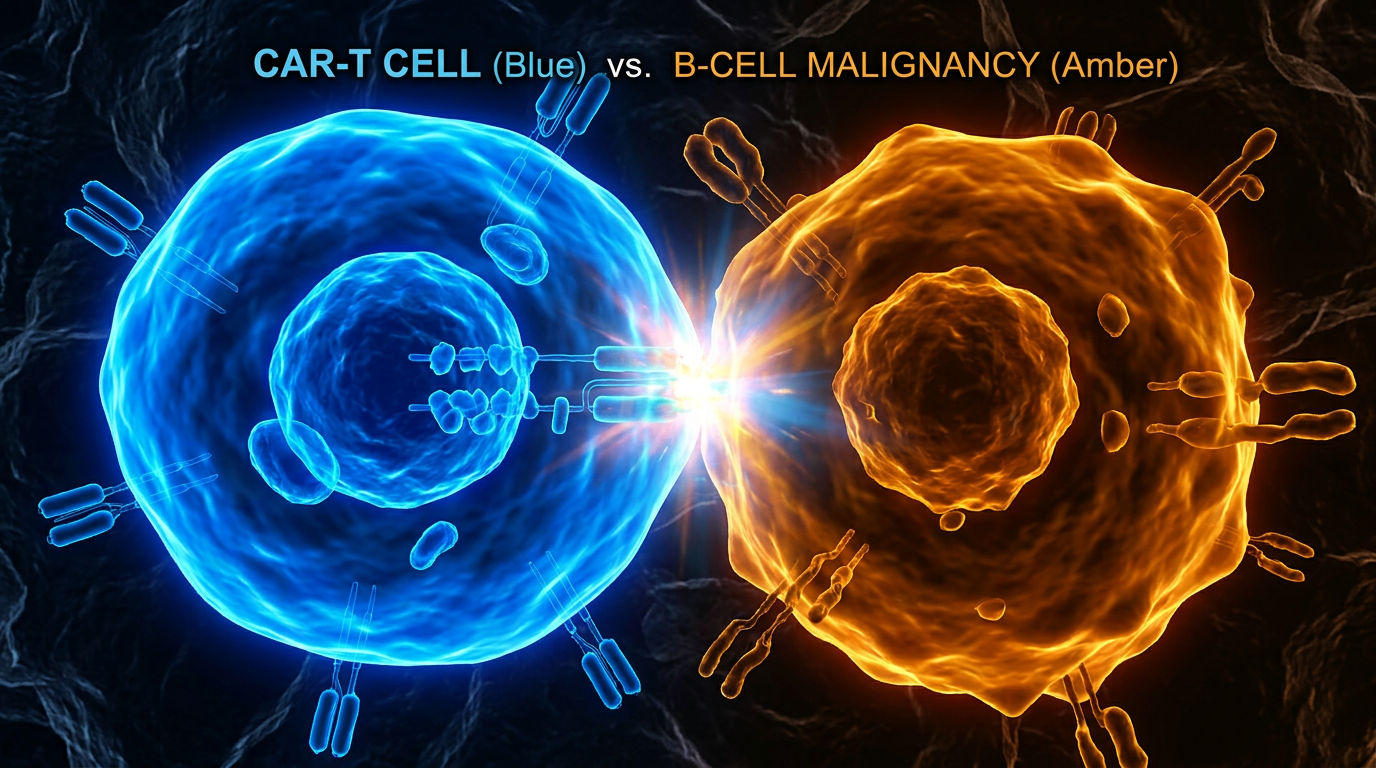
CAR-T Therapy
Revolutionary 'Immune Reset' Therapy Puts Severe Lupus into Drug-Free Remission
6 sources
Stay informed
Every angle. Every day.
Get health stories with full source coverage and perspective breakdowns delivered to your inbox.