
GSK Acquires Nuvalent for $10.6 Billion to Secure Next-Generation Lung Cancer Therapies
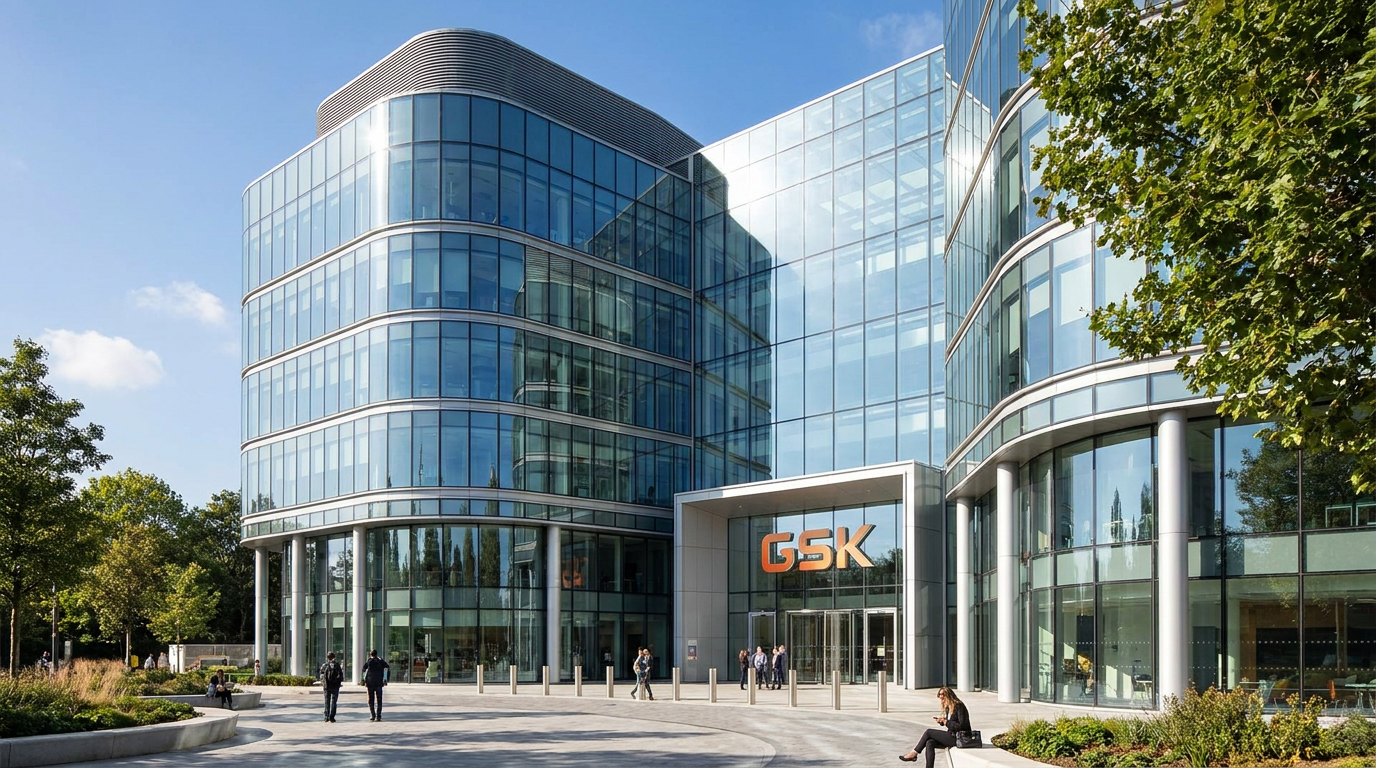
British pharmaceutical giant GSK has agreed to acquire Boston-based biotech Nuvalent for $10.6 billion, gaining two highly anticipated lung cancer treatments currently under FDA review. The all-cash deal marks a major expansion of GSK's oncology portfolio as it prepares for impending patent expirations in its HIV business.
By Factlen Editorial Team
- GSK Strategy Analysts
- Focuses on the financial necessity of the deal to replace expiring HIV drug revenues.
- Precision Oncology Advocates
- Prioritizes the clinical benefits of the new drugs for lung cancer patients facing treatment resistance.
- Biotech Market Observers
- Analyzes the acquisition's premium and its implications for broader pharmaceutical M&A trends.
What's not represented
- · Patients currently enrolled in Nuvalent's clinical trials
- · Healthcare insurance providers evaluating the future coverage costs of these new targeted therapies
Why this matters
This $10.6 billion acquisition not only promises to bring next-generation, highly targeted lung cancer therapies to patients faster, but it also secures GSK's financial future as it faces a massive patent cliff. For the broader market, it signals that pharmaceutical giants are willing to pay massive premiums for de-risked, late-stage medical breakthroughs.
Key points
- GSK will acquire Boston-based Nuvalent for $10.6 billion in an all-cash transaction at $124 per share.
- The deal centers on two late-stage lung cancer drugs, zidesamtinib and neladalkib, currently under FDA review.
- Both drugs target specific genetic mutations in non-small cell lung cancer and are designed to minimize severe neurological side effects.
- The acquisition helps GSK secure near-term revenue to offset the impending 2028–2030 patent expirations for its blockbuster HIV franchise.
- The transaction is expected to close in the third quarter of 2026, pending regulatory and shareholder approval.
British pharmaceutical giant GSK has agreed to acquire Boston-based clinical-stage biopharmaceutical company Nuvalent for $10.6 billion in an all-cash transaction. The deal, which values Nuvalent at $124 per share, represents a 40 percent premium over the biotech firm's last closing price. The acquisition marks one of the most significant oncology transactions of 2026 and signals a major strategic pivot for GSK as it seeks to fortify its pipeline with near-term commercial assets.[1][5]
The centerpiece of the acquisition is Nuvalent's pair of late-stage kinase inhibitors, zidesamtinib and neladalkib, both of which are currently under priority review by the U.S. Food and Drug Administration. These next-generation therapies are designed to treat non-small cell lung cancer (NSCLC) by targeting specific genetic alterations—ROS1 and ALK mutations, respectively. If approved, the drugs could launch before the end of the year, providing GSK with immediate commercial footholds in a highly lucrative and medically critical oncology sector.[4]
Lung cancer remains the leading cause of cancer mortality worldwide, and the specific mutations targeted by Nuvalent's portfolio present unique clinical challenges. ROS1 and ALK alterations primarily drive tumor growth in a distinct demographic: predominantly female non-smokers between the ages of 40 and 50. While first-generation targeted therapies have improved survival rates for these patients, the cancer frequently mutates to evade treatment, leading to disease progression and severe complications.[2][5]

Existing standard-of-care treatments, including Pfizer's Xalkori and Lorbrena, as well as Roche's Alecensa, have transformed the prognosis for ALK- and ROS1-positive cancers, but they come with significant limitations. Patients often develop resistance mutations that render the drugs ineffective over time. Furthermore, current therapies are associated with debilitating central nervous system side effects and metabolic toxicity that limit long-term use.[1][4]
Nuvalent's compounds were engineered specifically to overcome these hurdles. Both zidesamtinib and neladalkib are highly selective, meaning they target the cancer-driving enzymes while sparing healthy cellular processes. Clinical data presented throughout 2025 and early 2026 demonstrated that the drugs offer enhanced blood-brain barrier penetration, allowing them to attack brain metastases—a common and fatal complication in advanced lung cancer—while significantly reducing neurological adverse events.[2][6]
The regulatory timeline for these assets is exceptionally tight, adding to the deal's immediate value. The FDA has set a target action date of September 18, 2026, for zidesamtinib, followed by a November 27 decision for neladalkib. Both compounds have already received Breakthrough Therapy and Orphan Drug designations, underscoring the agency's recognition of the unmet medical need they address.[1][4]
The regulatory timeline for these assets is exceptionally tight, adding to the deal's immediate value.
For GSK, the $10.6 billion outlay is a calculated maneuver to solve a looming corporate crisis: the impending patent cliff for its blockbuster HIV franchise. The company's core HIV medication, dolutegravir—which forms the backbone of the $3.6 billion-a-year combination pill Dovato—will lose its market exclusivity between 2028 and 2030. Investors have spent the last two years demanding a clear roadmap for how GSK intends to replace that revenue.[3][5]

GSK's newly appointed CEO, Luke Miels, who took the helm earlier in 2026, has made it clear that bridging this revenue gap is his primary mandate. "Subject to FDA approvals, the acquisition will deliver revenue growth from 2027," Miels told investors following the announcement. "This is what our investors have been asking. It will strengthen our operating profit for GSK through the dolutegravir loss of exclusivity period."[2][4]
The transaction represents a departure from GSK's recent pattern of smaller, bolt-on licensing agreements. At $10.6 billion, it is the company's largest acquisition since a complex $21 billion asset swap with Novartis in 2015, and its most expensive pure-play biotech buyout to date. Miels noted that while the price tag is steep, acquiring a company with multiple de-risked, late-stage assets justifies the premium compared to gambling on single-molecule startups.[3][5]
Beyond the two lead drugs, GSK is acquiring a broader oncology platform that includes NVL-330, a potential best-in-class HER2 inhibitor currently in Phase I trials, alongside a deep bench of preclinical programs. GSK plans to integrate these assets with its own internal pipeline, specifically Ris-Rez, a B7-H3 targeted antibody-drug conjugate currently in Phase III development. Together, these therapies could form a dominant, multi-pronged lung cancer franchise.[1][4]

The acquisition also highlights the massive financial rewards for academic founders in the precision medicine space. Nuvalent was founded in 2017 by Matthew Shair, a Harvard University professor specializing in chemistry and chemical biology. Shair's foundational research into kinase inhibitors laid the groundwork for the company's pipeline. Following the company's 2021 Nasdaq debut and this subsequent buyout, Shair's 2.16 percent stake is valued at nearly $200 million.[2]
GSK plans to finance the acquisition through a combination of cash on hand and new and existing debt facilities. The company assured shareholders that the transaction will not impact its credit rating, alter its full-year financial guidance, or disrupt its dividend payout schedule. Furthermore, the deal is expected to be accretive to GSK's long-term goal of achieving £40 billion ($53.5 billion) in annual sales by 2031.[3][5]

The broader pharmaceutical industry is closely watching the GSK-Nuvalent tie-up as a bellwether for mid-2026 biotech valuations. The deal reflects a sustained trend of mega-cap drugmakers paying substantial premiums for clinically validated targets that address measurable gaps in efficacy or tolerability. With the era of cheap capital over, pharmaceutical giants are prioritizing assets that are virtually guaranteed to reach the market over early-stage scientific gambles.[1][6]
The transaction remains subject to customary closing conditions, including clearance under the Hart-Scott-Rodino Antitrust Improvements Act and the successful tender of a majority of Nuvalent's Class A common stock. Assuming regulatory hurdles are cleared without delay, the companies expect the deal to officially close in the third quarter of 2026, just as the FDA hands down its first approval decision.[4][6]
How we got here
2017
Nuvalent is founded by Harvard chemistry professor Matthew Shair to develop precision kinase inhibitors.
2021
Nuvalent goes public on the Nasdaq stock exchange to fund its clinical trials.
Jan 2026
Luke Miels takes over as CEO of GSK, pivoting the company's strategy toward near-term revenue acquisitions.
Jun 2026
GSK announces the $10.6 billion all-cash acquisition of Nuvalent.
Sep 2026
Target FDA action date for Nuvalent's ROS1 inhibitor, zidesamtinib.
Nov 2026
Target FDA action date for Nuvalent's ALK inhibitor, neladalkib.
Viewpoints in depth
GSK Leadership
GSK executives view the acquisition as a necessary, immediate solution to an impending revenue gap.
For CEO Luke Miels and the GSK board, the $10.6 billion premium is a calculated necessity. With the company's core HIV patents expiring between 2028 and 2030, leadership faced immense pressure to secure near-term revenue. By acquiring Nuvalent, they bypass the risks of early-stage clinical trials and secure two assets that could begin generating billions in sales by 2027, effectively bridging the patent cliff.
Precision Oncology Researchers
Medical professionals emphasize the clinical breakthroughs in overcoming treatment resistance and toxicity.
Oncologists and researchers focus on the specific design of Nuvalent's kinase inhibitors. First-generation treatments for ROS1 and ALK mutations often fail when the cancer mutates or when patients suffer severe neurological side effects. Researchers argue that zidesamtinib and neladalkib represent a critical leap forward because they are engineered to cross the blood-brain barrier safely, extending the duration of effective treatment for patients who previously had no secondary options.
Biotech Market Analysts
Financial observers see the deal as validation of a shifting M&A strategy prioritizing de-risked, late-stage assets.
Industry analysts note that the era of cheap capital funding early-stage biotech gambles is over. Observers point out that GSK's willingness to pay a 40 percent premium for Nuvalent—rather than buying multiple cheaper, early-stage startups—reflects a broader industry trend. Big Pharma is increasingly willing to pay top dollar for 'de-risked' companies that already have drugs under FDA review, ensuring a faster return on investment.
What we don't know
- Whether the FDA will approve zidesamtinib and neladalkib on their target action dates without requiring additional clinical data.
- How quickly GSK can scale commercial production and distribution for the two drugs if they are approved later this year.
- Whether competing pharmaceutical companies will accelerate their own M&A activity in the precision oncology space in response to the deal.
Key terms
- Kinase Inhibitor
- A type of targeted cancer drug that blocks specific enzymes (kinases) to stop cancer cells from growing and dividing.
- Non-Small Cell Lung Cancer (NSCLC)
- The most common type of lung cancer, accounting for about 85% of all lung cancer diagnoses.
- Patent Cliff
- A period when a pharmaceutical company's major products lose patent protection, leading to a sharp drop in sales as cheaper generic versions enter the market.
- Blood-Brain Barrier
- A highly selective semipermeable border of cells that prevents many substances, including some medications, from crossing from the bloodstream into the brain.
- Antibody-Drug Conjugate (ADC)
- A targeted cancer therapy that combines an antibody, which seeks out cancer cells, with a toxic drug that destroys them.
Frequently asked
Why is GSK buying Nuvalent?
GSK is acquiring Nuvalent to secure two late-stage lung cancer drugs, zidesamtinib and neladalkib, which are currently under FDA review. The deal helps GSK replace revenue it expects to lose when its key HIV patents expire.
What type of cancer do Nuvalent's drugs treat?
The drugs target non-small cell lung cancer (NSCLC) driven by specific genetic alterations known as ROS1 and ALK mutations, which primarily affect non-smoking adults.
When will the new drugs be available?
The FDA is expected to make approval decisions for zidesamtinib on September 18, 2026, and for neladalkib on November 27, 2026. If approved, they could launch shortly after.
How is GSK paying for the $10.6 billion deal?
GSK is funding the all-cash transaction through a combination of cash on hand and new and existing debt facilities, without impacting its dividend payouts.
Sources
Source coverage
6 outlets
3 viewpoints surfaced





[1]Pharmaceutical TechnologyBiotech Market Observers
GSK doubles down on oncology with $10.6bn Nuvalent takeover
Read on Pharmaceutical Technology →[2]The GuardianPrecision Oncology Advocates
GSK makes biggest ever acquisition with $10.6bn for US cancer drug firm
Read on The Guardian →[3]BioPharma DiveGSK Strategy Analysts
GSK is sustaining its streak of bolt-on acquisitions, announcing Tuesday it will pay $11 billion to buy Nuvalent
Read on BioPharma Dive →[4]Fierce BiotechBiotech Market Observers
GSK inks $10.6B Nuvalent buyout to challenge Roche and Pfizer in lung cancer
Read on Fierce Biotech →[5]QuartzGSK Strategy Analysts
GSK acquires Nuvalent for $10.6 billion in oncology push
Read on Quartz →[6]Healthcare DigitalPrecision Oncology Advocates
GSK Acquires Nuvalent To Maximise Cancer Treatments
Read on Healthcare Digital →

Every angle. Every day.
Get business stories with full source coverage and perspective breakdowns delivered to your inbox.