
U.S. and Iran Sign 14-Point Agreement to Reopen Strait of Hormuz and Extend Ceasefire
President Trump and Iranian President Pezeshkian have signed a preliminary agreement to end the 110-day conflict, lifting the U.S. naval blockade in exchange for toll-free passage through the Strait of Hormuz. The deal establishes a 60-day window to negotiate a permanent treaty regarding Iran's nuclear program, drawing praise from G7 allies but fierce criticism from Israel and U.S. conservatives.
By Factlen Editorial Team
- U.S. Administration & Allies
- The deal is a necessary pragmatic step to avert a global economic crisis and restore energy flows.
- Israeli Security Establishment
- The agreement abandons Israel and rewards Iranian aggression by prematurely lifting economic pressure.
- U.S. Conservative Critics
- The concessions, particularly sanctions relief and unfreezing assets, represent a dangerous capitulation.
- Gulf States & Mediators
- Regional stability and economic recovery take precedence over achieving a decisive military victory.
What's not represented
- · Commercial Shipping Companies
- · Lebanese Civilians
Why this matters
The reopening of the Strait of Hormuz immediately lowers global energy prices and averts a broader economic crisis, but the concessions granted to Tehran fundamentally alter the balance of power in the Middle East and leave Israel's long-term security in question.
Key points
- The U.S. and Iran signed a 14-point MoU to end the 110-day conflict and reopen the Strait of Hormuz.
- The agreement establishes a 60-day window to negotiate a permanent treaty regarding Iran's nuclear program.
- The U.S. will lift its naval blockade and waive sanctions on Iranian oil exports in exchange for toll-free maritime passage.
- G7 leaders and Gulf states praised the deal for averting a global economic crisis.
- Israeli officials and U.S. conservative critics condemned the agreement as a dangerous concession to Tehran.
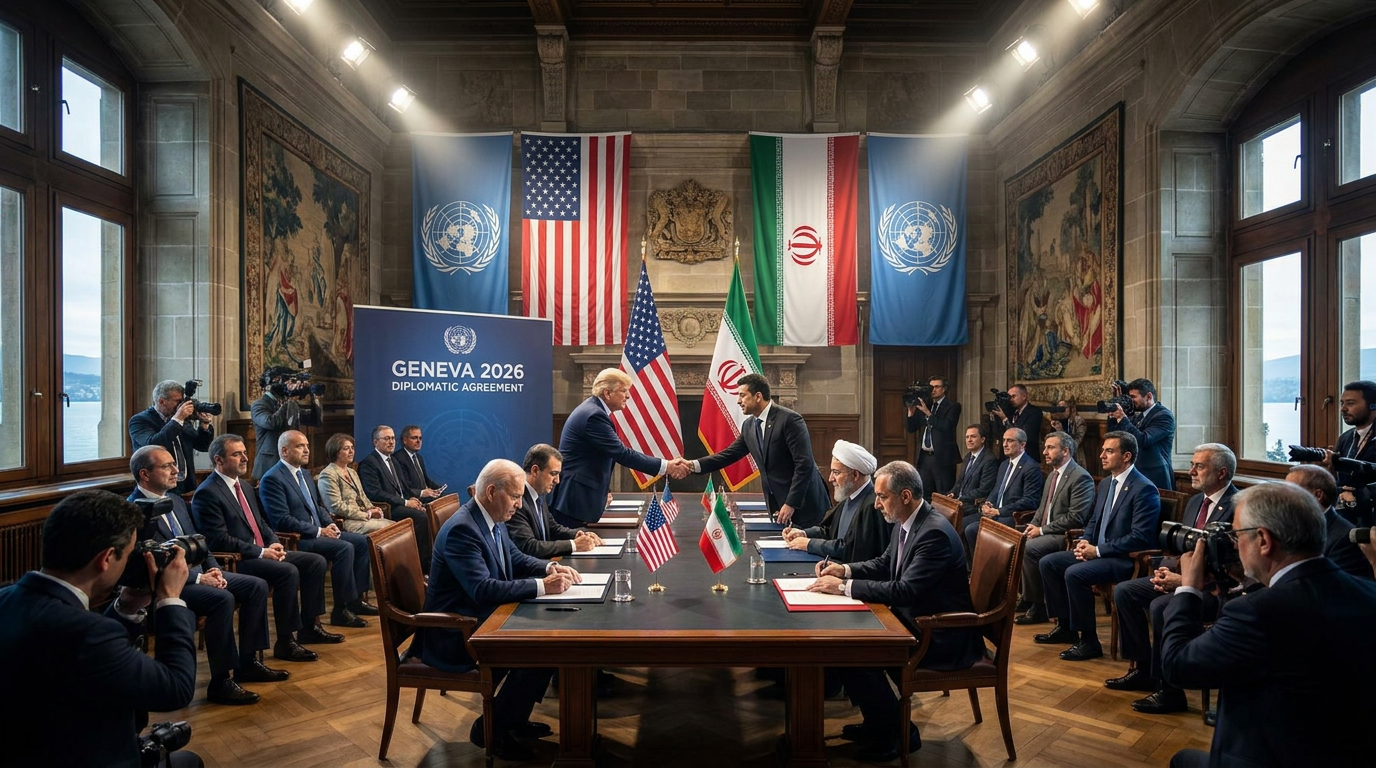
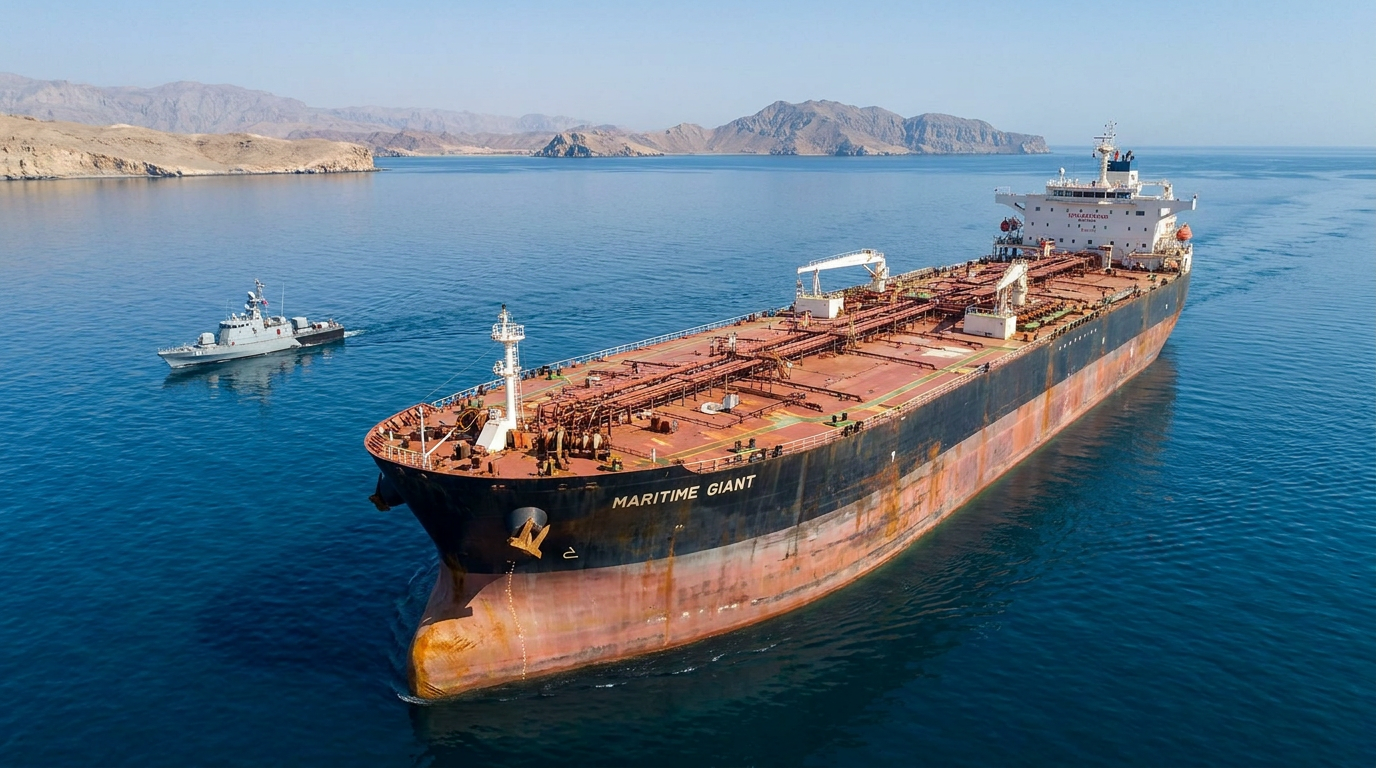
The United States and Iran have formally signed a 14-point preliminary peace agreement, halting a devastating 110-day conflict that crippled global shipping and sent energy markets into turmoil. The Memorandum of Understanding (MoU), signed remotely by U.S. President Donald Trump and Iranian President Masoud Pezeshkian, establishes a 60-day ceasefire and mandates the immediate reopening of the Strait of Hormuz.[1][2][3][4]
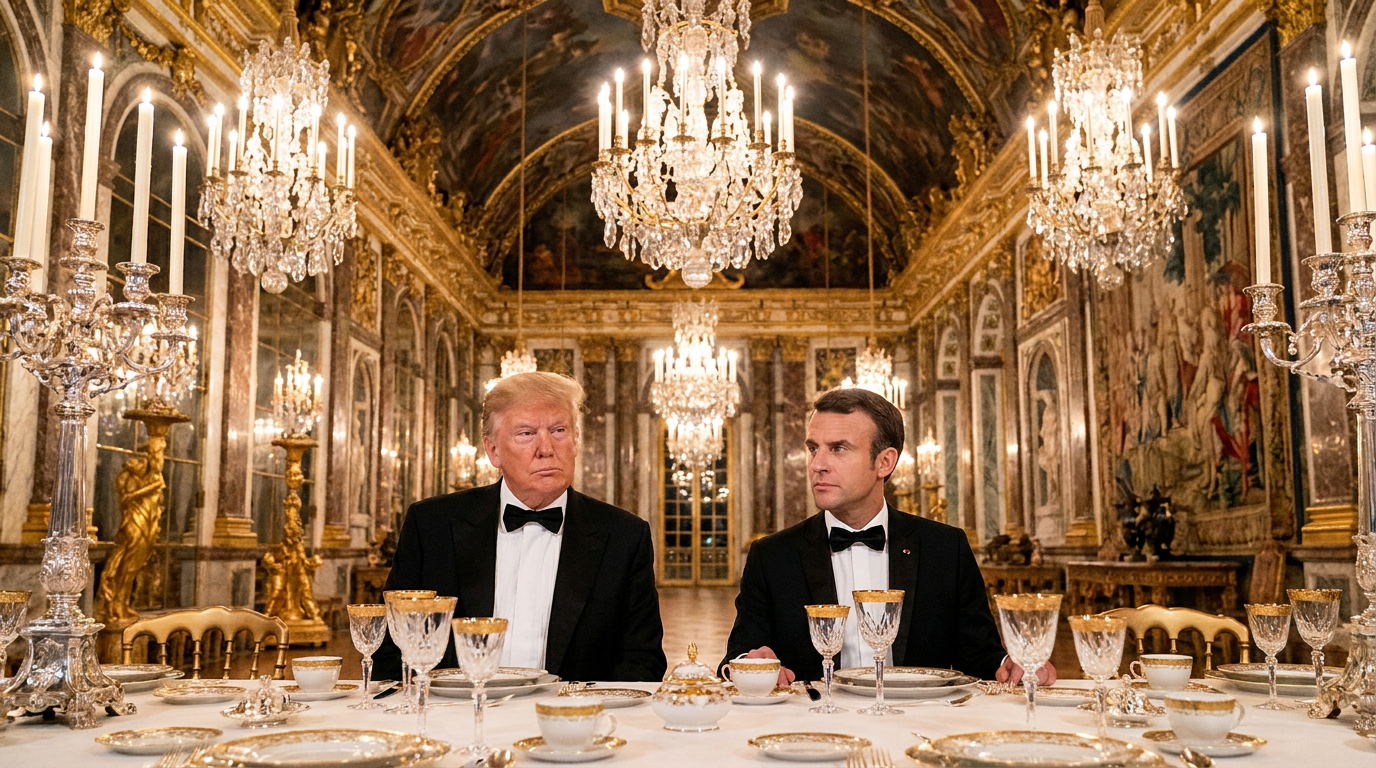
President Trump signed the document during a dinner with French President Emmanuel Macron at the Palace of Versailles, capping off a Group of Seven (G7) summit where allied leaders praised the breakthrough. "It's signed," Trump told reporters, defending the agreement as a necessary measure to prevent a "worldwide depression" caused by the closure of the world's most critical oil chokepoint.[1][2][4]
Under the terms of the interim deal, the U.S. will immediately lift its naval blockade of Iranian ports, while Tehran has agreed to allow toll-free commercial transit through the Strait of Hormuz for the next 60 days. The ceasefire also extends to Lebanon, requiring both nations and their regional allies to permanently halt military operations on all fronts.[1][4][5]
The economic relief was instantaneous. Brent crude oil prices dropped by 1.2 percent in early Asian trading following the announcement, reflecting market optimism that the daily flow of millions of barrels of petroleum would resume. G7 leaders issued a joint statement welcoming the de-escalation, noting it ends a period of "great instability that had terrible consequences for our economies."[1][3][4]

However, the diplomatic breakthrough requires substantial U.S. concessions that have ignited fierce domestic and international backlash. The Trump administration has agreed to waive sanctions on Iranian crude oil exports and petroleum products, allowing Tehran to immediately resume selling oil on the global market.[1][2][7]
Furthermore, Trump indicated that the U.S. would unfreeze billions of dollars in Iranian assets. "We have taken their money, it's their money," Trump stated, arguing that withholding the funds permanently would damage international trust in the U.S. dollar. Leaked details of the MoU also suggest the framework for a potential $300 billion reconstruction plan for Iran, though Trump has insisted Gulf allies, not the U.S., would foot that bill.[2][4][7]
The core of the 60-day window is designed to force a final, comprehensive agreement regarding Iran's nuclear ambitions. The preliminary text includes a commitment from Iran to discuss down-blending its 440-kilogram stockpile of highly enriched uranium under the supervision of the International Atomic Energy Agency.[1][3][5]
The core of the 60-day window is designed to force a final, comprehensive agreement regarding Iran's nuclear ambitions.
Yet, critics warn that the U.S. has surrendered its primary leverage before securing permanent nuclear constraints. In Israel, the agreement was met with profound dismay. Former senior Israeli adviser Mark Regev argued that by removing economic and military pressure, Washington has effectively given the Iranian regime a "return to life" without dismantling its nuclear infrastructure.[1][7]

Israeli commentators and security officials fear the ceasefire leaves them uniquely vulnerable, particularly as the agreement restricts Israeli military operations in Lebanon while allowing Iran to rebuild. The sentiment in Jerusalem is that the U.S. prioritized domestic economic concerns and global oil prices over the strategic necessity of neutralizing Tehran's proxy network.[1][6]
In Washington, the Republican party is sharply divided over the president's signature foreign policy maneuver. Senator Lindsey Graham, reversing his previous skepticism, endorsed the MoU as a pragmatic step to reopen the Strait of Hormuz and stop the bloodshed. "Mistakes are made. War is nasty," Trump remarked, acknowledging the heavy toll of the conflict.[7]
Conversely, conservative hardliners view the deal as a historic capitulation. Senator Bill Cassidy called it a "tremendous foreign policy blunder," arguing that Iran has learned that threatening global shipping yields massive financial rewards. Former U.N. Ambassador Nikki Haley echoed the sentiment, stating simply, "If this is true, Iran wins."[1][7]
Regional mediators, particularly Pakistan and Qatar, have celebrated the MoU as a triumph of diplomacy. Gulf Cooperation Council states, whose economies and infrastructure suffered direct hits during the 110-day war, are deeply relieved by the cessation of hostilities, even if they remain wary of Iran's long-term intentions.[1][4][6]

The durability of the agreement remains highly questionable. Senior U.S. officials acknowledge the fragility of the MoU, noting that "either side can walk away at any time." Trump himself warned that if Iran fails to comply with the terms, the U.S. military would "go right back to dropping bombs right smack in the middle of their head."[1][2][5][6]
A looming flashpoint is the administration of the Strait of Hormuz after the 60-day window expires. While the U.S. draft secures toll-free passage temporarily, Iranian Parliament Speaker Mohammad Bagher Ghalibaf has already declared on state television that Tehran intends to charge international shipping a fee for services once the grace period ends.[1][5]
How we got here
February 2026
The U.S. and Israel launch military operations against Iran, triggering a 110-day conflict.
April 8, 2026
A temporary two-week ceasefire is brokered by Pakistan, though it is frequently violated.
June 17, 2026
President Trump and President Pezeshkian sign the 14-point Memorandum of Understanding.
August 2026
The 60-day negotiation window is set to expire, requiring a final nuclear treaty or risking renewed conflict.
Viewpoints in depth
U.S. Administration & Allies
The deal is a necessary pragmatic step to avert a global economic crisis.
Proponents of the agreement, including G7 leaders and the Trump administration, argue that the 110-day war had reached an untenable stalemate that was devastating the global economy. By securing the immediate reopening of the Strait of Hormuz, the U.S. averts a worldwide energy crisis and inflation spike. They maintain that the 60-day window provides a crucial diplomatic off-ramp to negotiate permanent constraints on Iran's nuclear program without committing to an endless regional war.
Israeli Security Establishment
The agreement abandons Israel and rewards Iranian aggression.
Israeli officials and security analysts view the Memorandum of Understanding as a profound strategic defeat. They argue that by lifting the naval blockade and unfreezing assets before Iran has permanently dismantled its nuclear infrastructure, the U.S. has surrendered its primary leverage. Furthermore, the ceasefire's restrictions on military operations in Lebanon leave Israel vulnerable to a rearmed Hezbollah, fostering a deep sense of abandonment in Jerusalem.
Gulf States & Mediators
Regional stability and economic recovery take precedence over military victory.
For nations like Qatar, Oman, and Pakistan, who mediated the talks, the agreement is a triumph of diplomacy over catastrophic regional fallout. Gulf Cooperation Council states suffered direct economic damage and infrastructure threats during the conflict. Their primary objective is the restoration of maritime trade and the cessation of drone and missile strikes, accepting the imperfect terms of the MoU as a necessary price for immediate regional stability.
What we don't know
- Whether Iran will successfully down-blend its 440-kilogram stockpile of highly enriched uranium within the 60-day window.
- If Iran will actually begin charging tolls for commercial vessels transiting the Strait of Hormuz after the grace period expires.
- How Israel will adjust its security posture in Lebanon given the ceasefire's restrictions on military operations.
Key terms
- Strait of Hormuz
- A narrow, strategically critical waterway between the Persian Gulf and the Gulf of Oman through which roughly 20 percent of the world's petroleum supply passes.
- Memorandum of Understanding (MoU)
- A preliminary, non-binding agreement outlining the terms and details of an understanding, serving as the foundation for a future formal treaty.
- Down-blending
- The process of mixing highly enriched uranium with lower-grade material to reduce its concentration, making it unusable for nuclear weapons.
Frequently asked
Is the war with Iran completely over?
Not definitively. The current agreement is a 60-day ceasefire and Memorandum of Understanding. A permanent end to the war depends on the success of upcoming nuclear negotiations.
Will ships have to pay to use the Strait of Hormuz?
Under the interim deal, passage is toll-free for 60 days. However, Iranian officials have stated they intend to charge a fee for services once this grace period expires.
Is the U.S. paying Iran $300 billion?
The agreement outlines a $300 billion reconstruction fund for Iran, but President Trump has insisted that Gulf allies, rather than the United States, will provide the financial support.
Sources
Source coverage
7 outlets
4 viewpoints surfaced







[1]The GuardianIsraeli Security Establishment
Trump signs Iran peace plan, claiming deal averts 'worldwide depression'
Read on The Guardian →[2]The Washington PostU.S. Administration & Allies
U.S., Iran sign initial peace deal to open Strait of Hormuz
Read on The Washington Post →[3]CBS NewsU.S. Administration & Allies
Trump formally signs U.S.-Iran deal as questions linger about nuclear program, missiles
Read on CBS News →[4]Financial TimesU.S. Administration & Allies
US and Iran sign interim deal to reopen Strait of Hormuz
Read on Financial Times →[5]AxiosU.S. Conservative Critics
What's in the Iran deal Trump says he's ready to sign
Read on Axios →[6]Atlantic CouncilGulf States & Mediators
Experts react: The US-Iran memorandum of understanding
Read on Atlantic Council →[7]China DailyU.S. Conservative Critics
US-Iran agreement sparks divided reactions in Washington
Read on China Daily →
More in news politics
See all 7 stories →Labor Law
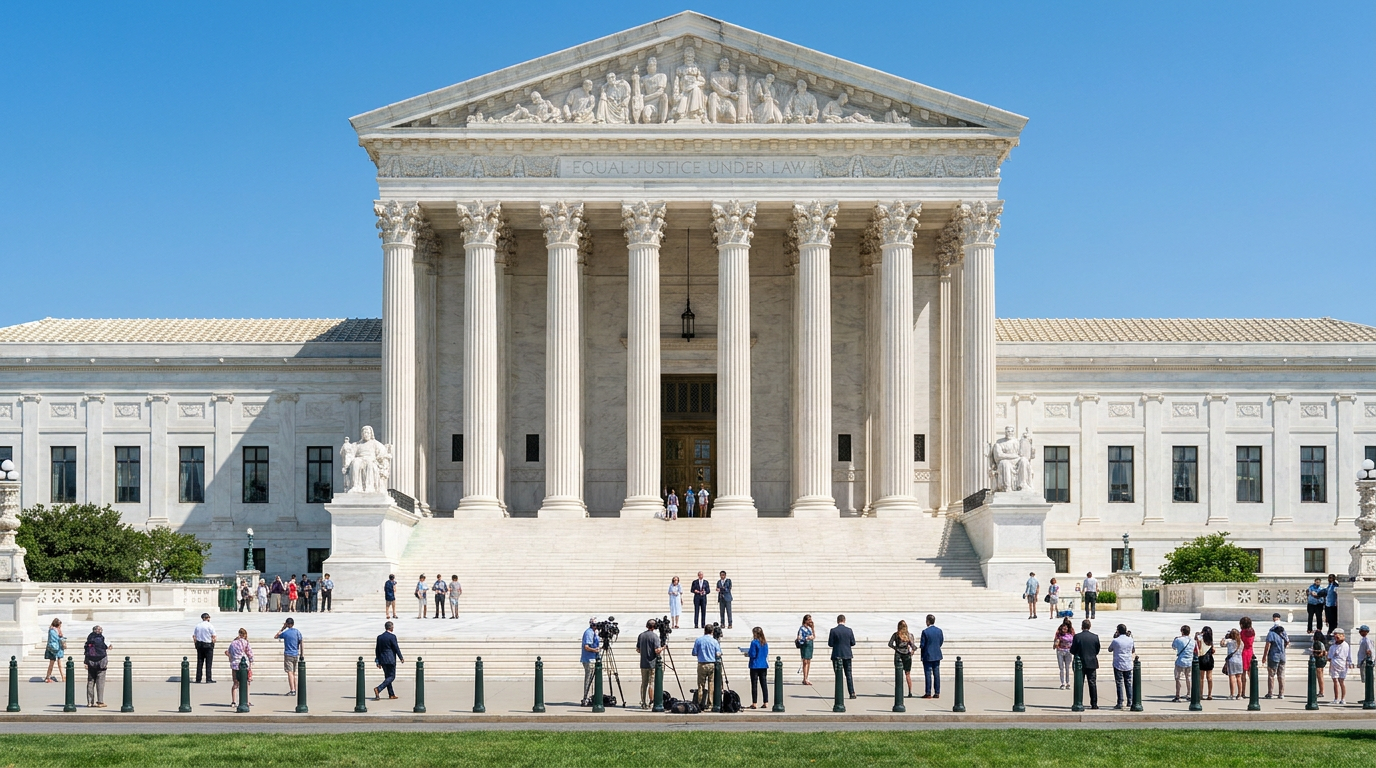
Supreme Court Rules Last-Mile Delivery Drivers Cannot Be Forced Into Arbitration
9 sources
Pentagon Rebranding
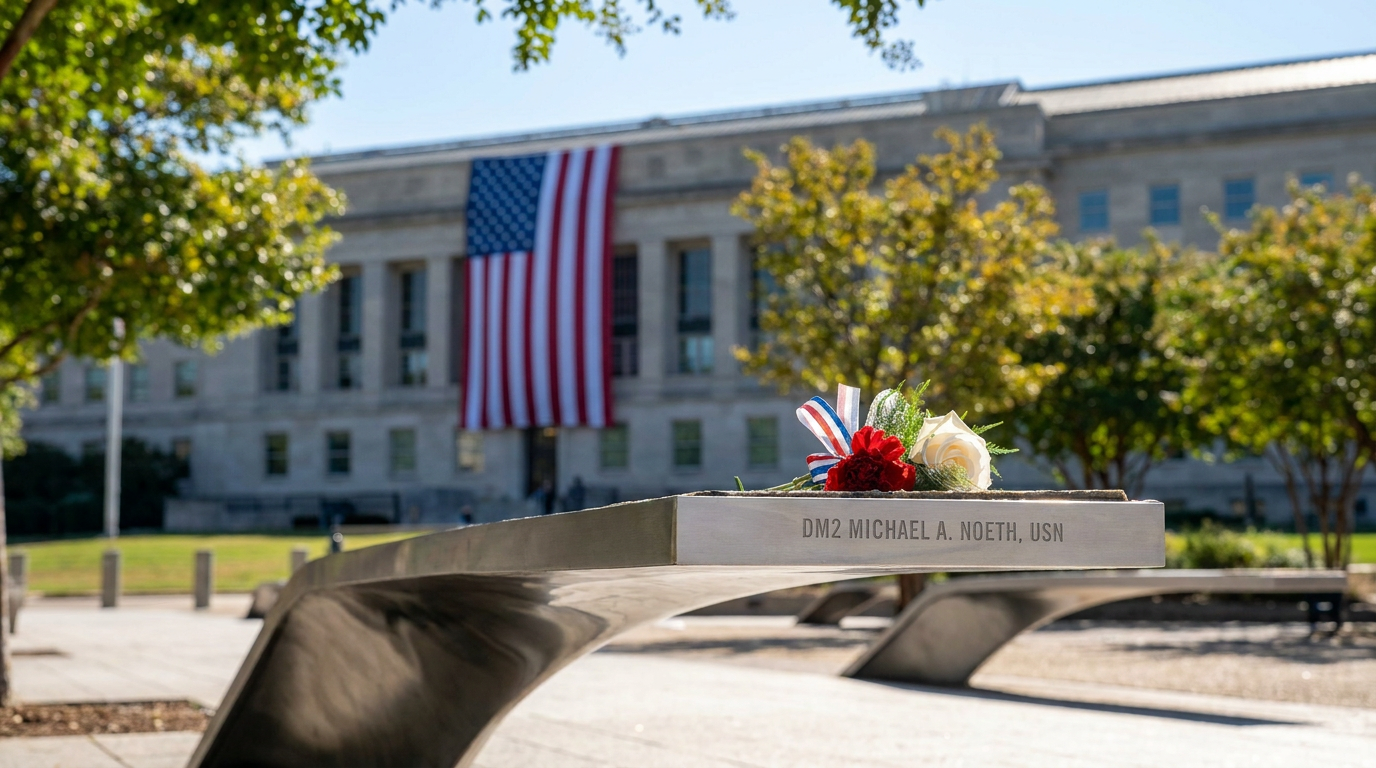
Congress Advances Trump's Push to Rename Pentagon the 'Department of War'
6 sources
Labour Party
UK Voters Head to Polls in Makerfield By-Election That Could Topple Prime Minister Keir Starmer
7 sources

US-Iran Deal
U.S. and Iran Sign 14-Point Memorandum to End Conflict and Reopen Strait of Hormuz
8 sources
Every angle. Every day.
Get news politics stories with full source coverage and perspective breakdowns delivered to your inbox.