
The Science of Neuroaesthetics: How Interior Design Physically Alters Brain Chemistry
A rapidly growing scientific discipline is proving that room shapes, lighting, and textures trigger measurable biological responses, transforming how we design our homes.
By Factlen Editorial Team
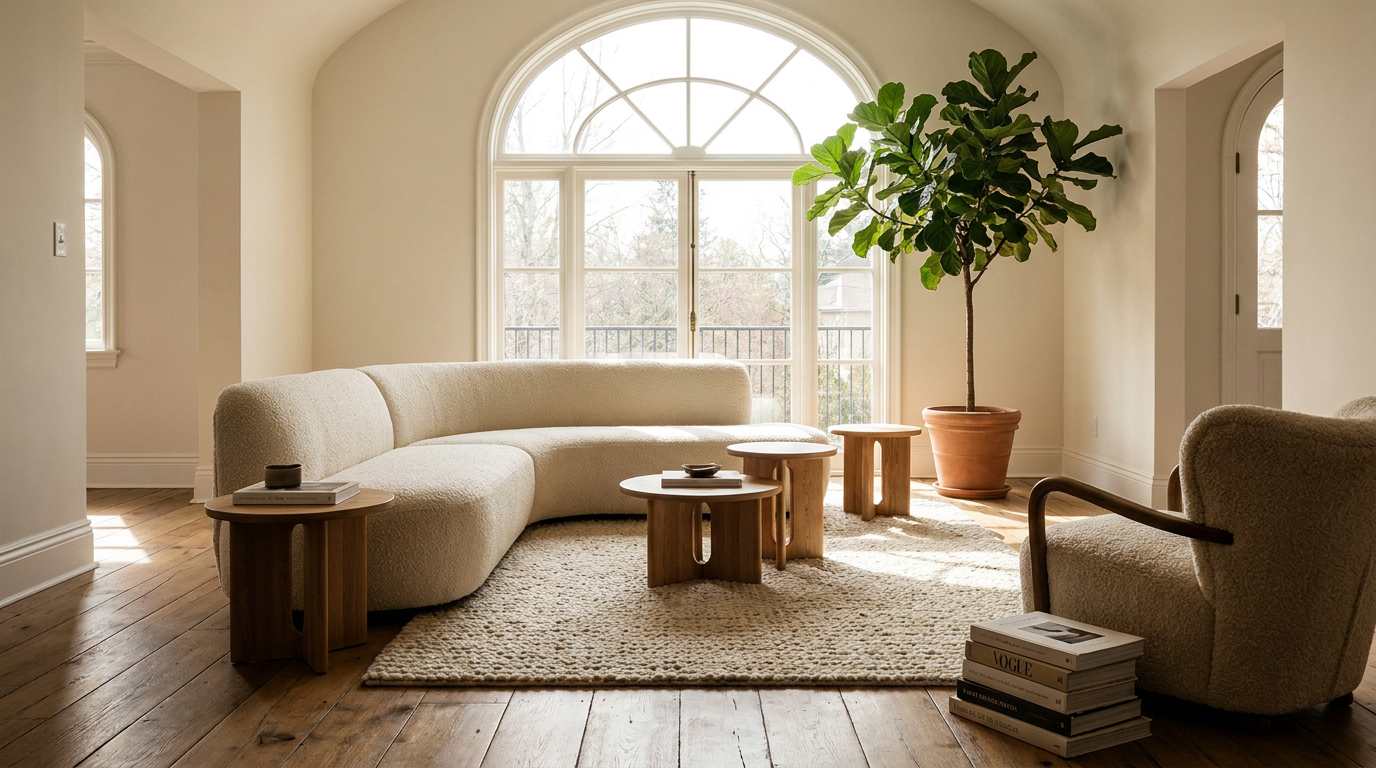
Neuroscience Researchers 40%Interior Designers 40%Public Health Advocates 20%
- Neuroscience Researchers
- Scientists focused on quantifying the biological impact of built environments using brain imaging and biometrics.
- Interior Designers
- Practitioners applying neuroaesthetic principles to residential and commercial spaces to improve client well-being.
- Public Health Advocates
- Experts looking at how neuroarchitecture can improve long-term care, aging in place, and mental health outcomes.
What's not represented
- · Affordable Housing Developers
- · Architectural Traditionalists
Why this matters
Because we spend over 90% of our lives indoors, understanding how our physical environments affect our nervous systems empowers us to design homes that actively reduce stress, lower blood pressure, and improve daily mental health.

More in home
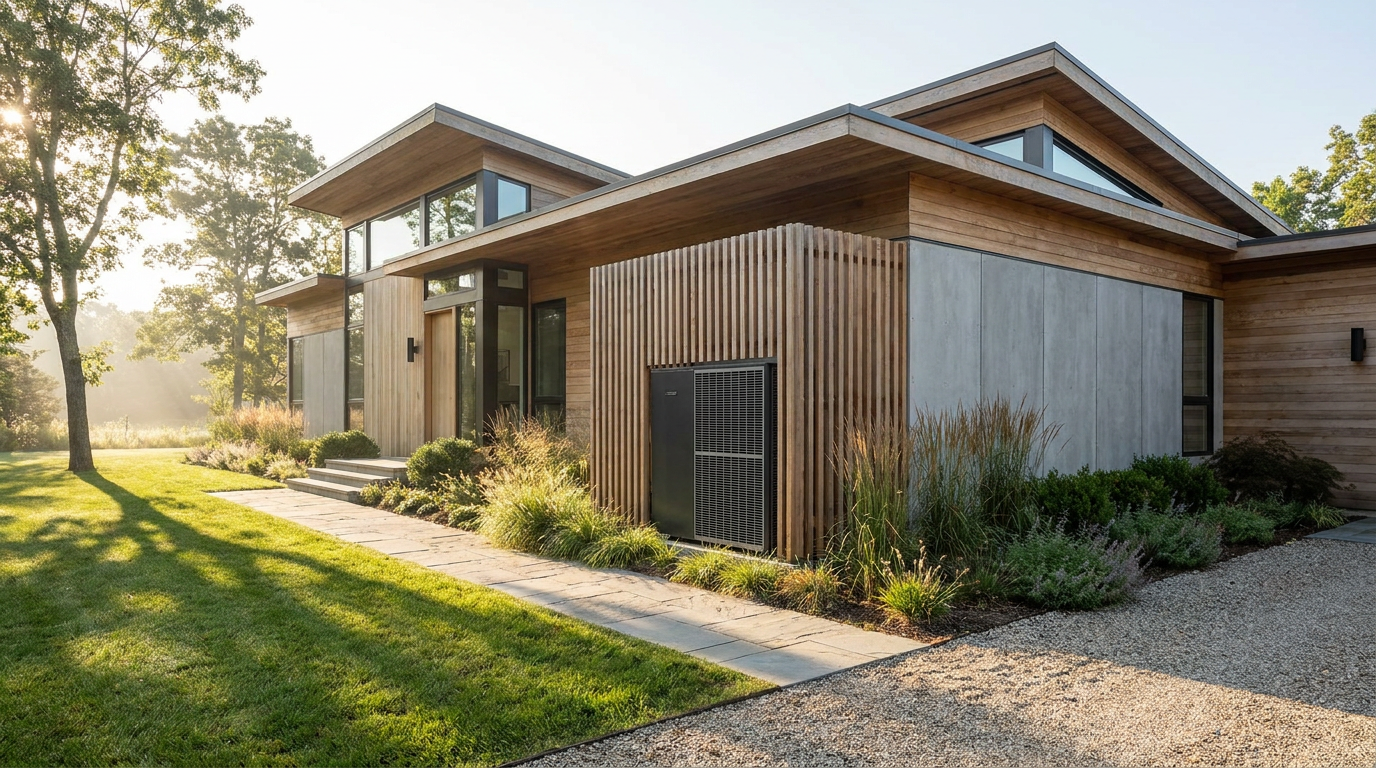
See all 37 stories →Heat Pump Retrofits
Decarbonizing Your Home: The Complete Guide to Heat Pump Retrofits in 2026
7 sources
Soil Health
Why Gardeners Are Putting Down Their Shovels: The Science of No-Dig Cultivation
6 sources

Stormwater Management
How to Build a Rain Garden: A DIY Guide to Managing Stormwater and Boosting Biodiversity
7 sources

HVAC Tech
How to Optimize Your Heat Pump for Maximum Efficiency and Lower Bills
8 sources

Stay informed
Every angle. Every day.
Get home stories with full source coverage and perspective breakdowns delivered to your inbox.