
The High Seas Treaty Enters Into Force, Establishing First Legal Framework for International Waters
After decades of negotiation, the BBNJ Agreement is now binding international law, enabling the creation of Marine Protected Areas across 50 percent of the planet.
By Factlen Editorial Team
Global Conservationists 40%Geopolitical Realists 35%Legal & Institutional Analysts 25%
- Global Conservationists
- Advocates focused on the ecological necessity of the treaty to halt biodiversity loss.
- Geopolitical Realists
- Analysts who view the high seas primarily as a theater for strategic competition and resource security.
- Legal & Institutional Analysts
- Experts focused on the practical hurdles of enforcing laws in areas beyond national jurisdiction.
What's not represented
- · Deep-Sea Mining Corporations
- · Commercial Distant-Water Fishing Fleets
Why this matters
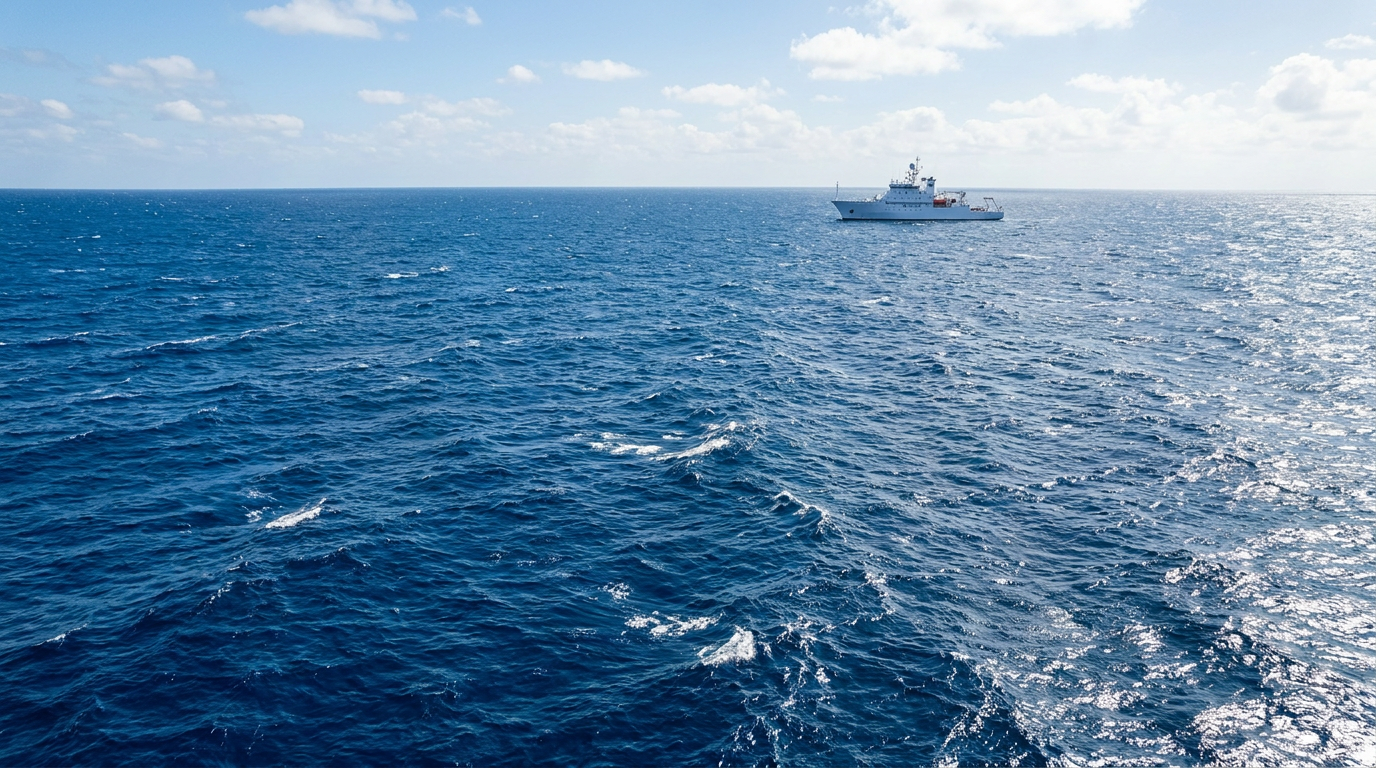
The high seas cover half the Earth and are vital for climate regulation, intercontinental data cables, and future resources. This treaty provides the first legal mechanism to protect these waters from unregulated exploitation, directly impacting global biodiversity, maritime security, and the emerging blue economy.

More in defense security
See all 13 stories →Demining Tech
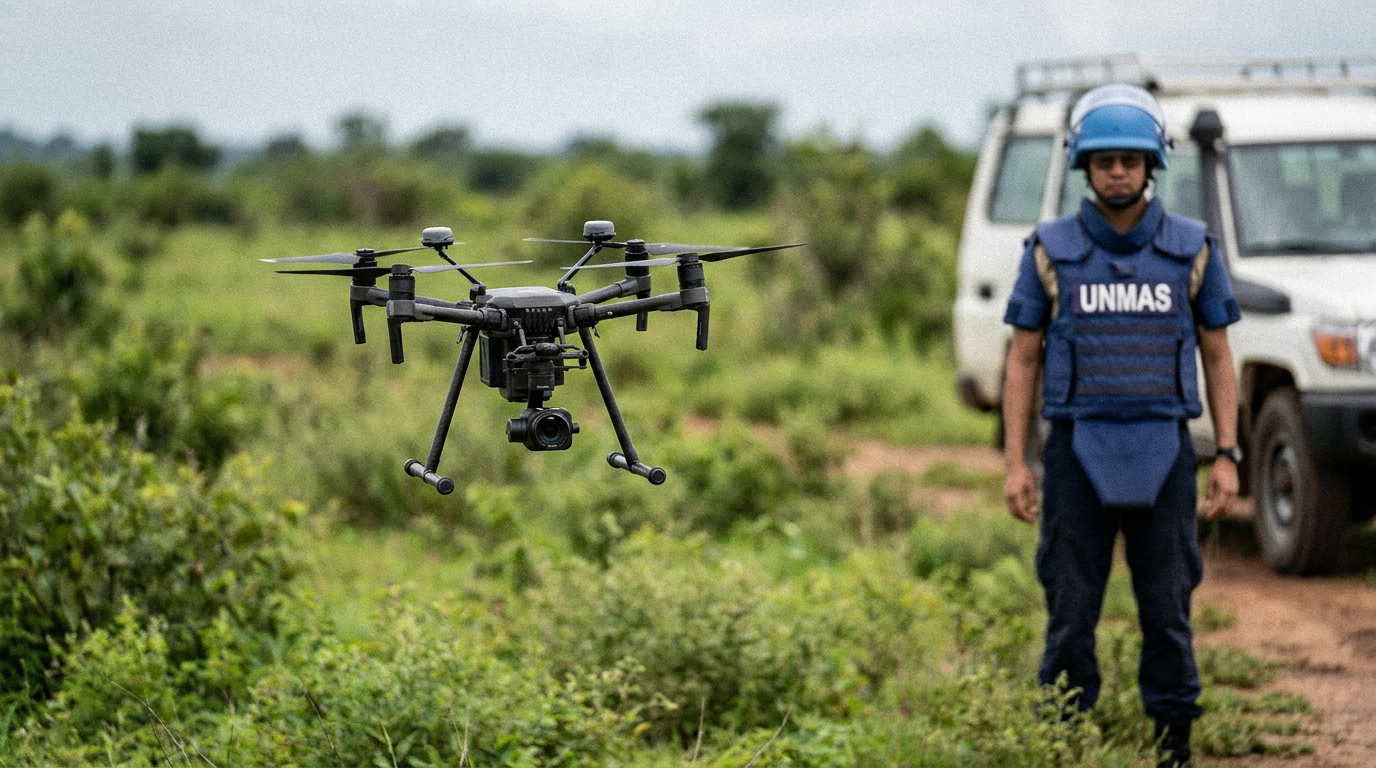
How AI and Drones Are Accelerating Global Landmine Clearance
9 sources

Demining Tech
How AI and Drone Swarms Are Solving the 1,000-Year Landmine Crisis
8 sources

Humanitarian Tech
How AI and Drones Are Accelerating Humanitarian Demining
7 sources
Combat Medicine
The End of the Golden Hour? How Autonomous Tech is Rewriting Combat Medicine
7 sources

Stay informed
Every angle. Every day.
Get defense security stories with full source coverage and perspective breakdowns delivered to your inbox.