
How AMP PBC is Turning AI Compute Into a Public Utility
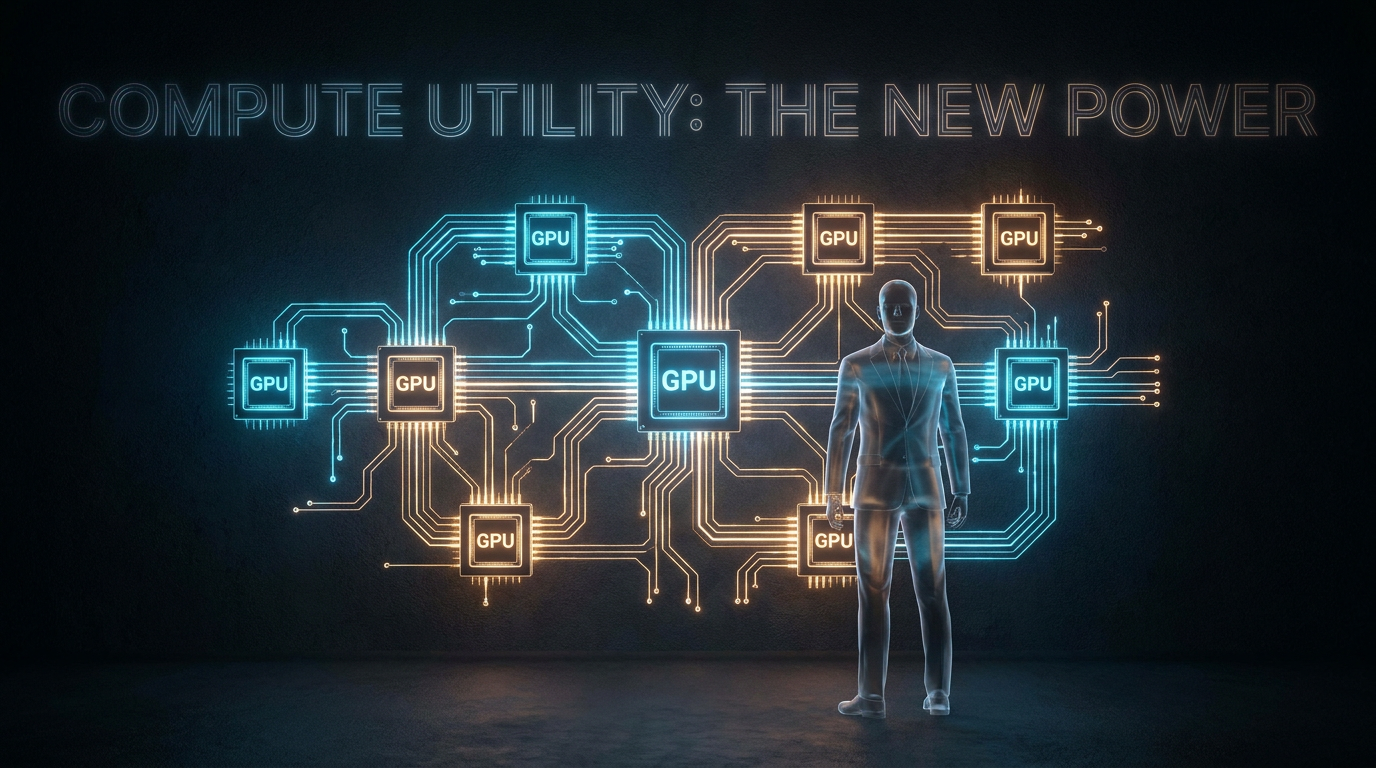
Anjney Midha's new $1.3 billion venture aims to pool idle GPUs into a shared grid, treating server access as a new form of venture capital to save startups from soaring hardware costs.
By Factlen Editorial Team
AI Founders & Startups 35%Compute Capitalists 30%Hyperscale Cloud Providers 20%Decentralization Advocates 15%
- AI Founders & Startups
- Argue that flexible, on-demand compute is essential for survival against tech giants.
- Compute Capitalists
- Believe that pooling hardware resources and offering compute-as-equity is the most efficient way to fund frontier AI.
- Hyperscale Cloud Providers
- Prioritize massive, long-term enterprise contracts to justify their enormous capital expenditures on data centers.
- Decentralization Advocates
- Fear that treating compute as a financing layer simply creates a new class of gatekeepers controlling AI's future.
What's not represented
- · Hardware Manufacturers (Nvidia/AMD)
- · Energy Grid Operators
Why this matters
As AI becomes central to the global economy, the skyrocketing cost of computing power threatens to lock out independent startups. Turning GPUs into a shared utility could democratize access to frontier technology, ensuring that the next major breakthroughs aren't exclusively controlled by a handful of tech giants.

More in business
See all 70 stories →Space Economy
SpaceX Executes Largest IPO in History, Making Elon Musk the First Trillionaire
8 sources

SpaceX IPO
SpaceX Completes Record-Breaking IPO, Making Elon Musk the World's First Trillionaire
8 sources

Space Economy
SpaceX Completes Record $75 Billion IPO, Pushing Market Capitalization Past $2.2 Trillion
8 sources

Space Economy
SpaceX Completes Historic $75 Billion IPO, Igniting Space Economy Boom
8 sources

Stay informed
Every angle. Every day.
Get business stories with full source coverage and perspective breakdowns delivered to your inbox.